Understanding Gluten: When It Helps and When It Hurts
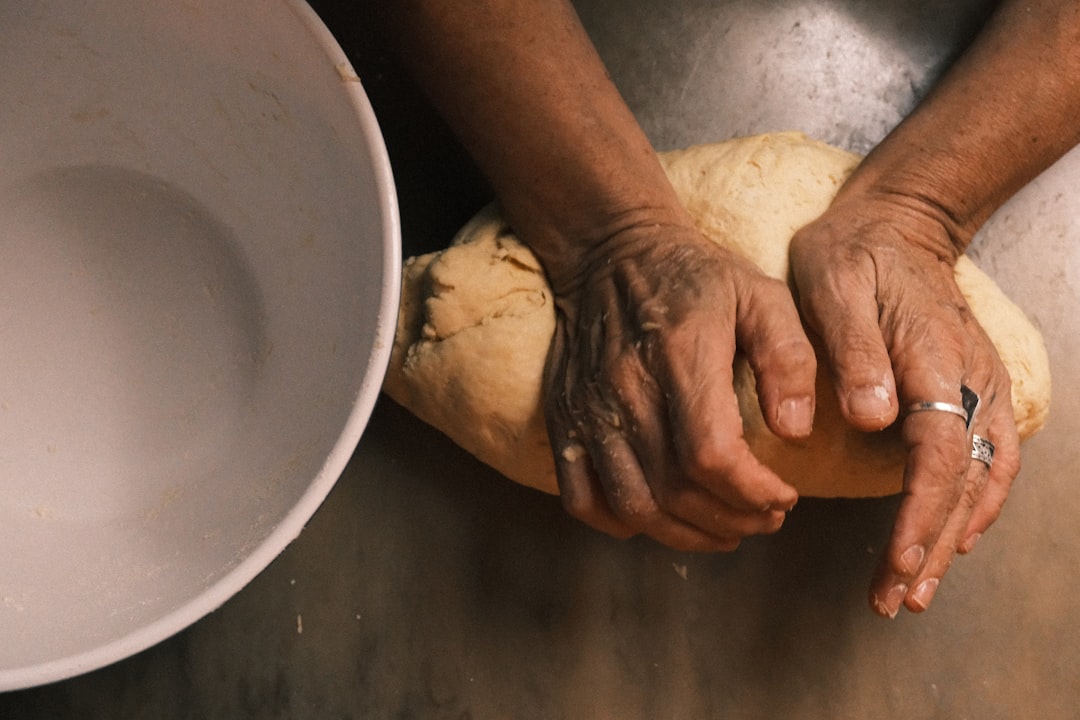
Ever wonder why your homemade bread sometimes comes out like a brick while other times it’s perfectly fluffy? The answer usually comes down to one protein that gets talked about constantly but rarely understood: gluten.
Gluten has become a loaded word. Some people treat it like poison. Others couldn’t imagine baking without it. The truth? Both camps have valid points, depending on who you are and what you’re trying to make.
What Exactly Is Gluten?
Gluten isn’t a single thing. It’s actually two proteins-glutenin and gliadin-that hang out in wheat, barley, and rye. When you add water and start kneading, these proteins link up and form elastic networks. That’s gluten.
Think of it like a stretchy web inside your dough. This web traps gas bubbles from yeast, which is how bread rises and gets that airy texture. Without gluten, you’d have a dense, crumbly mess. With too much, you’d be chewing on rubber.
The amount of gluten varies by flour type:
- Bread flour: 12-14% protein - high gluten for chewy loaves. - All-purpose flour: 10-12% protein - the middle ground. - Cake flour: 7-9% protein - low gluten for tender crumbs. - Pastry flour: 8-10% protein - slightly more than cake flour.
This is why swapping flours in recipes can go sideways fast. Use bread flour for cookies and they’ll turn out tough. Use cake flour for pizza dough and you’ll get a floppy disaster.
When Gluten Works For You
Gluten is your best friend when you want structure and chew. Here’s where it shines:
**Bread baking. ** A good sourdough or baguette needs strong gluten development. All that kneading and folding? You’re building up those protein networks. The longer fermentation in sourdough actually makes gluten more digestible for some people-more on that later.
**Pizza dough. ** That stretchy, pliable dough that can be tossed and pulled without tearing? Thank gluten. High-protein bread flour or specialized 00 flour creates the perfect balance of chew and crunch.
**Fresh pasta. ** When you’re making homemade noodles, gluten provides the elasticity that lets you roll dough paper-thin without it falling apart. It also gives pasta that satisfying bite.
**Bagels. ** These dense, chewy rings are basically a celebration of gluten. The boiling step sets the outside, but all that chewiness comes from extensive gluten development.
Here’s a trick: if your dough isn’t coming together well, let it rest for 20-30 minutes. This autolyse period allows flour to hydrate fully and gluten to relax. Your dough will be much easier to work with afterward.
When Gluten Works Against You
Not everything benefits from gluten development. Sometimes you want tender, crumbly, or flaky textures.
**Pie crusts. ** Overworking pie dough is the number one mistake home bakers make. Those flaky layers come from pockets of fat, not gluten. Work the dough just until it holds together, then stop. Some bakers even add vodka instead of water-it evaporates during baking but doesn’t activate gluten as much.
**Cakes and muffins. ** Ever had a tough, chewy muffin? Probably overmixed. With quick breads and cakes, you want minimal gluten formation. Mix wet and dry ingredients until just combined. A few lumps are fine - actually, they’re preferable.
**Biscuits and scones - ** Similar deal here. The goal is tender and flaky, not chewy. Keep your butter cold, work quickly, and don’t overhandle the dough.
**Pancakes and crepes. ** Some recipes even suggest letting batter rest so gluten can relax, making the final product more tender.
The Health Side of Things
Now for the part that gets controversial. Does gluten actually hurt some people? Yes - absolutely. But probably not as many as you’d think based on grocery store shelves.
Celiac disease affects roughly 1% of the population. For these folks, gluten triggers an autoimmune response that damages the small intestine. Even tiny amounts-we’re talking crumbs-can cause problems. This is a serious medical condition diagnosed through blood tests and biopsies. If you have celiac, you must avoid gluten completely.
Non-celiac gluten sensitivity is trickier. Some people experience bloating, fatigue, or digestive issues after eating gluten without having celiac disease. Research here is still evolving. Some studies suggest FODMAPs (certain carbohydrates in wheat) might actually be the culprit rather than gluten itself.
Wheat allergy is different from both. It’s an allergic reaction to proteins in wheat, which may or may not include gluten. People with wheat allergies might tolerate barley or rye just fine.
Then there’s everyone else. If you don’t have celiac disease, sensitivity, or an allergy, avoiding gluten probably won’t benefit your health. In fact, many gluten-free products compensate for texture issues by adding extra sugar, fat, or sodium.
Working With Gluten-Free Alternatives
Whether you’re baking for someone with celiac or just experimenting, here’s what you should know about going gluten-free:
There’s no one-to-one substitute for wheat flour. You’ll need blends.
- Rice flour (provides structure)
- Tapioca starch (adds chew)
- Potato starch (lightens texture)
- Xanthan gum (mimics gluten’s binding properties)
Store-bought blends like Bob’s Red Mill 1-to-1 or King Arthur Measure for Measure work decently for everyday baking. For serious bread baking, you’ll likely need specialty recipes designed for gluten-free flours from the start.
Expect different textures. Gluten-free bread tends to be denser and often stales faster. It’s not worse, just different. Some people actually prefer the taste of gluten-free baked goods once they adjust their expectations.
Watch your xanthan gum amounts. Too much makes things gummy and weird. Most recipes call for about 1/4 to 1 teaspoon per cup of flour, depending on what you’re making.
Practical Tips for Better Baking
Let’s wrap up with some actionable stuff:
**Match your flour to your goal. ** High-gluten flour for chewy breads, low-gluten flour for tender cakes. Don’t fight the flour.
**Mind your technique - ** Knead bread dough thoroughly. Mix cake batter gently. The same ingredient behaves differently based on how you treat it.
**Use the windowpane test. ** To check if bread dough has enough gluten development, stretch a small piece thin. If you can see light through it without it tearing, you’re good.
**Cold ingredients slow gluten formation. ** This is why pie crust recipes always stress cold butter and ice water.
**Resting helps. ** Whether it’s autolyse for bread or resting pie dough in the fridge, time allows gluten to relax and flavors to develop.
**If you’re avoiding gluten, communicate clearly. ** Cross-contamination is real. Even crumbs from a shared toaster can trigger reactions in people with celiac disease.
Gluten isn’t good or bad - it’s just a tool. Understanding how it works means you can make it do exactly what you want-or avoid it when you need to. Your baking will thank you.