Ube Desserts Beyond Purple Cake: Filipino Yam Recipes
You’ve probably seen ube everywhere lately. That active purple color popping up in lattes, cakes, and Instagram feeds. But but-if you’ve only tried ube in cake form, you’re missing out on an entire world of Filipino desserts that’ll make your taste buds do a happy dance.
Ube, or purple yam, has been a staple in Filipino kitchens for generations. Long before it became a trendy superfood, Filipino grandmothers were turning this humble root vegetable into everything from ice cream to pastries to sticky rice cakes. And honestly? Those traditional recipes still hit different.
What Makes Ube So Special?
Let’s get one thing straight: ube is more than taro with better PR. They’re completely different tubers. Ube (Dioscorea alata) has a sweeter, more vanilla-like flavor and that gorgeous natural purple color that runs all the way through. Taro is more nutty and typically only purple near the skin.
The flavor profile of ube is hard to describe if you haven’t tried it. Imagine a sweet potato crossed with vanilla, with subtle nutty undertones. It’s mellow enough to work in dozens of applications but distinctive enough that you’ll recognize it instantly.
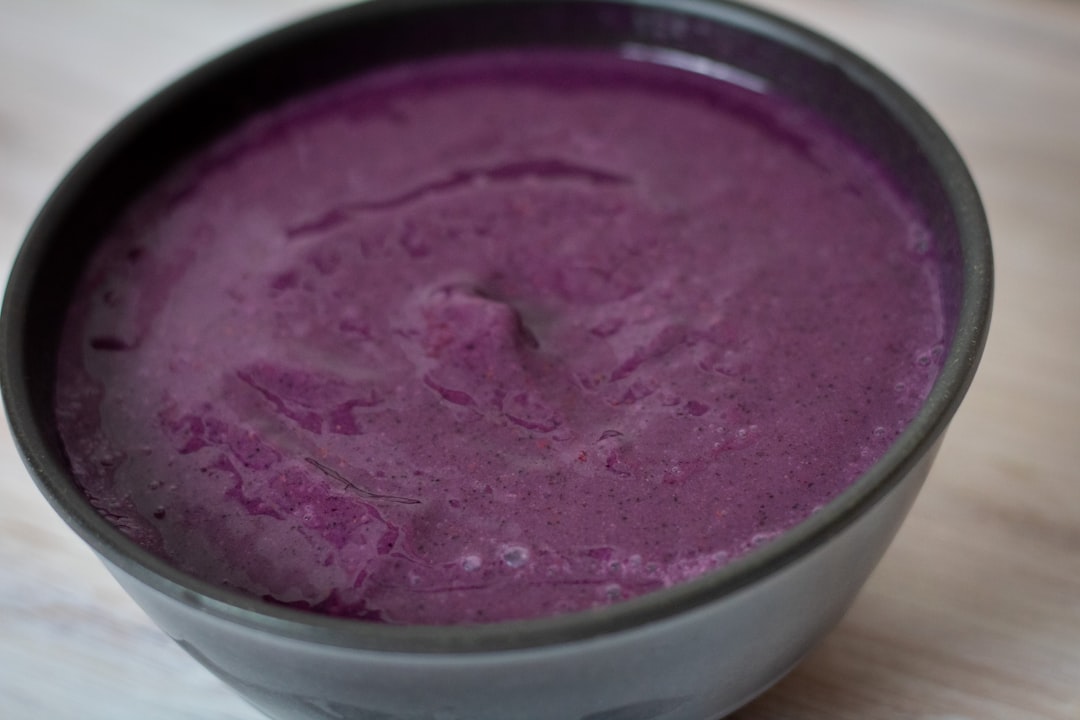
Most Filipino cooks use ube halaya (also called ube jam) as their base ingredient. This thick, sweet purple paste is made by cooking grated ube with coconut milk and sugar until it becomes almost like a spread. You can make it from scratch or buy it jarred-no judgment either way. The jarred stuff from brands like Good Shepherd or Ube Express works perfectly fine.
Halo-Halo: The Ultimate Filipino Shaved Ice
If you want the quintessential ube experience, start with halo-halo. This shaved ice dessert literally translates to “mix-mix,” and that’s exactly what you do.
Picture this: a tall glass layered with sweet beans, coconut strips, jackfruit, palm seeds, flan, purple yam, and crushed ice, all drizzled with evaporated milk. On top sits a scoop of ube ice cream and sometimes a slice of leche flan. It sounds chaotic - it works beautifully.
To make halo-halo at home, you’ll need:
- Shaved or crushed ice (lots of it)
- Sweetened kidney beans, white beans, and chickpeas
- Macapuno (coconut sport) or regular coconut strips
- Nata de coco (coconut gel cubes)
- Kaong (palm seeds)
- Sweetened banana or saba
- Ube halaya
- Ube ice cream
- Evaporated milk
- Leche flan (optional but encouraged)
Layer your toppings in a tall glass, pack it with shaved ice, drizzle generously with evaporated milk, and crown it with ube ice cream. Then grab a long spoon and mix everything together before eating. The combination of textures-creamy, chewy, crunchy-is what makes this dessert legendary.
Ube Ice Cream That Actually Tastes Like Ube
Most commercial ube ice cream barely tastes like anything except sugar and food coloring. Making your own changes the game entirely.
Here’s a no-churn version that requires zero special equipment:
Ingredients:
- 1 cup ube halaya
- 2 cups heavy whipping cream
- 1 can (14 oz) sweetened condensed milk
- 1 teaspoon ube extract (optional, for deeper flavor)
- Pinch of salt
Method:
Whip the heavy cream until stiff peaks form. In another bowl, mix the condensed milk with ube halaya until smooth-a hand blender helps here. Gently fold the whipped cream into the ube mixture in thirds. Pour into a loaf pan, cover with plastic wrap pressed directly onto the surface, and freeze for at least 6 hours.
The result is creamy, legitimately purple, and tastes like actual ube. Not that fake grape-adjacent flavor you get from most store-bought versions.
Ube Pandesal: Purple Breakfast Rolls
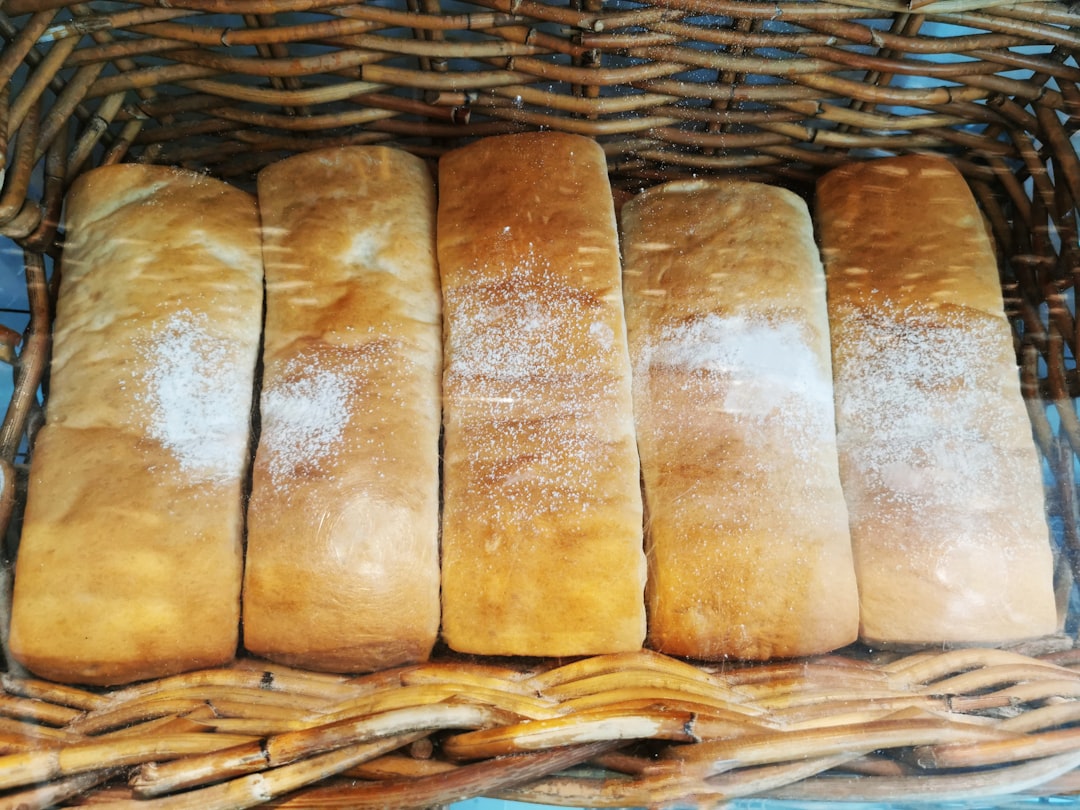
Pandesal are soft Filipino bread rolls typically eaten for breakfast, dipped in coffee. Adding ube transforms them into something magical.
The dough comes together like any enriched bread: flour, yeast, sugar, butter, eggs, milk. The twist is mixing in about 3/4 cup of ube halaya and a splash of ube extract. This halaya adds moisture and sweetness, so you’ll reduce the sugar slightly.
After the dough rises, divide it into small balls, roll each in breadcrumbs (the traditional pandesal coating), and bake until golden with purple peeking through the cracks. Serve warm with butter - that’s it. That’s the entire experience.
Some bakers swirl in an ube cream cheese filling before baking. Others brush the tops with butter and sprinkle with sugar. Both approaches are valid.
Ube Turon: Fried Banana Spring Rolls, Upgraded
Turon is already one of the best Filipino street foods-ripe saba bananas and jackfruit wrapped in spring roll wrappers, fried until crispy, and coated in caramelized sugar. Adding ube takes it further.
Spread a thin layer of ube halaya on the wrapper before adding the banana. Roll it up, seal with a paste of flour and water, and fry in oil until golden. While still hot, roll the turon in brown sugar until coated and let it crystallize.
The contrast between the crunchy caramel shell, creamy ube, and soft banana is ridiculous. Fair warning: these disappear fast at parties.
Ube Ensaymada: Cheesy Sweet Rolls
Ensaymada is Filipino brioche, basically. These soft, butter-rich rolls get topped with more butter, sugar, and grated cheese after baking. The sweet-salty combination sounds weird until you try it.
For an ube version, swirl ube halaya into the dough during shaping. Or spread ube on the rolled-out dough before coiling it into the traditional snail shape. After baking and while still warm, brush with melted butter, sprinkle with sugar, and pile on the shredded cheese.
Queso de bola (Edam cheese) is traditional, but sharp cheddar works if that’s what you have. The cheese absolutely matters-it’s not just decoration.
Quick Ube Desserts When You’re Short on Time
Not every ube creation requires hours of effort. Here are some shortcuts:
Ube mug cake: Mix 4 tablespoons flour, 2 tablespoons sugar, 2 tablespoons ube halaya, 3 tablespoons milk, 1 tablespoon oil, and a pinch of baking powder. Microwave for 90 seconds.
Ube milk: Blend 2 tablespoons ube halaya with a cup of milk and ice. That’s literally it.
Ube cheesecake dip: Beat cream cheese with ube halaya, sweeten to taste, serve with graham crackers.
Ube overnight oats: Layer oats, ube halaya, yogurt, and coconut milk in a jar. Refrigerate overnight.
Where to Find Ube Ingredients
Asian grocery stores, particularly Filipino ones, stock ube halaya, ube extract, and frozen grated ube. Seafood City, 99 Ranch, and H Mart are reliable options depending on your location.
Online, you can order from Amazon, Weee! , or specialty Filipino food sites. Ube halaya keeps for months unopened and several weeks refrigerated after opening.
If you’re lucky enough to find fresh ube, it needs to be boiled and mashed before use. It takes some effort, but the fresh flavor is noticeably brighter.
Tips for Working with Ube
A few things I’ve learned:
Ube halaya brands vary wildly. Some are very sweet, others more balanced. Taste before adding extra sugar to recipes.
The purple color fades with high heat and long baking times. If you want that active Instagram purple, add a bit of ube extract or even a drop of purple food coloring. No shame in it.
Ube pairs beautifully with coconut, macapuno, cheese, and vanilla. Less well with chocolate or strong fruit flavors-they tend to overwhelm it.
Leftover ube desserts refrigerate well but should come to room temperature before serving. Cold ube ice cream excepted, obviously.
Once you start cooking with ube, you’ll find it sneaking into everything. Pancakes - waffles. Mochi - cinnamon rolls. That’s not a bad thing. That active purple yam earned its moment in the spotlight,. The best way to appreciate it is to go beyond the basic purple cake and explore the full range of what Filipino dessert traditions have to offer.