Tteokbokki at Home: Korean Rice Cake Street Food Recipe
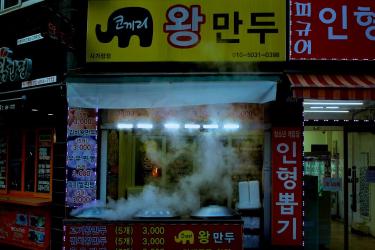
If you’ve ever wandered through a Korean night market or watched a K-drama, you’ve probably seen those glistening, fiery red rice cakes that make everyone’s mouth water. That’s tteokbokki, and it’s about to become your new favorite thing to make at home.
I’ll be honest with you. The first time I tried making tteokbokki, I completely messed it up. The sauce was too watery, the rice cakes stuck together in a sad clump, and my roommate asked if I was making “spicy glue. " But after a few attempts, I figured out what actually works. And now? I make it at least twice a month.
What Makes Tteokbokki So Addictive?
There’s something almost magical about the combination of chewy rice cakes swimming in a spicy-sweet sauce. The texture is unlike anything in Western cooking. Soft but with resistance - bouncy. Satisfying in a way that’s hard to describe until you’ve experienced it.
The sauce hits multiple notes at once. You get heat from gochujang (Korean red pepper paste), sweetness from sugar, savory depth from soy sauce, and this underlying umami punch that keeps you coming back for more. It’s the kind of dish where you think you’ll have just one more bite, and suddenly the pan is empty.
Street vendors in Seoul have been perfecting this for decades. But but. You don’t need special equipment or hard-to-find ingredients. Most Asian grocery stores stock everything you need, and the actual cooking takes maybe 20 minutes.
Gathering Your Ingredients
Let’s talk about what you’ll need. The ingredient list is shorter than you’d expect.
For the rice cakes: You want Korean rice cakes, specifically the cylinder-shaped ones called “garae-tteok. " They’re sold frozen or refrigerated in Asian markets. Grab about 450 grams (roughly a pound) for two generous servings. If they’re frozen, soak them in room temperature water for 30 minutes before cooking. Don’t skip this step or you’ll end up with chewy rocks.
For the sauce:
- 3 tablespoons gochujang
- 1 tablespoon gochugaru (Korean red pepper flakes) - optional but recommended
- 2 tablespoons soy sauce
- 1 tablespoon sugar (some recipes call for more, but I find this amount balances the heat nicely)
- 2 cups anchovy broth or water
Extras that make it better:
- 4-5 sheets of eomuk (Korean fish cakes), sliced into triangles
- 2 green onions, chopped
- 2 hard-boiled eggs
- A handful of cabbage, optional
About that gochujang. Not all brands taste the same. If you can find Haechandle or CJ brand, grab those. The cheaper generic ones tend to be more vinegary and less complex.
The Actual Cooking Process
Here’s where it comes together. And honestly, it’s almost embarrassingly simple.
Start by making your sauce base. Mix the gochujang, gochugaru, soy sauce, and sugar with your liquid in a wide pan or shallow pot. A pan works better than a deep pot because you want surface area for the sauce to reduce properly. Whisk everything together over medium heat until it starts bubbling.
Now add your rice cakes. Spread them out in a single layer if possible. You want each piece getting coated with sauce, not piled on top of each other.
This next part is key. Keep the heat at medium and stir frequently. Not constantly. But every 30 seconds or so, give everything a gentle stir. The sauce will start thickening as the starch from the rice cakes releases into the liquid. This is what you want.
After about 8-10 minutes, add your fish cakes if you’re using them. They only need a few minutes to heat through and absorb some of that sauce.
How do you know when it’s done? The rice cakes should be soft all the way through when you bite one. The sauce should coat the back of a spoon and look glossy, not watery. If your sauce is getting too thick before the rice cakes are cooked through, splash in a bit more water.
Finish with green onions. Some people add hard-boiled eggs at this point, letting them hang out in the sauce for a minute to get coated in that red goodness.
Common Mistakes and How to Avoid Them
I’ve made every mistake possible with this dish. Learn from my failures.
Problem: Gummy, stuck-together rice cakes This happens when you don’t soak frozen rice cakes long enough, or when you crowd the pan. Give them space - stir gently but consistently.
Problem: Sauce is too watery You either added too much liquid or didn’t cook it long enough. Let it simmer a few more minutes. The starch needs time to thicken things up.
Problem: Too spicy Add more sugar. Seriously, that’s the fix. A drizzle of honey works too. Some people stir in a bit of cream cheese at the end for a milder, creamier version. Sounds weird - tastes amazing.
Problem: Rice cakes are still hard in the center They weren’t soaked long enough, or your heat was too high, causing the outside to cook before the inside. Lower the heat and add a splash more liquid.
Making It Your Own
The basic recipe is just a starting point. Once you’ve got it down, you can experiment.
Want more protein? Toss in some sliced pork belly or beef. Brown it first in the same pan, set it aside, make your sauce, then add it back at the end.
Vegetarian? Skip the fish cakes and anchovy broth. Use vegetable broth or even just water with a splash of soy sauce and a pinch of sugar. Add mushrooms, cabbage, or whatever vegetables you have on hand.
Cheese tteokbokki is huge in Korea right now. After plating, top with shredded mozzarella and let the residual heat melt it. Or go full indulgent and hit it with a kitchen torch.
For a fancier version, add some seafood. Shrimp, squid, or mussels work beautifully. Add them in the last few minutes so they don’t overcook.
A Few Final Tips
Make more sauce than you think you need. The rice cakes absorb a lot of it, and you’ll want extra for the eggs and fish cakes.
Leftover tteokbokki doesn’t reheat perfectly. The rice cakes get even chewier and can turn tough. If you must reheat, add a splash of water and warm it gently over low heat. But honestly? This is a dish best eaten fresh and hot.
Don’t be afraid of the heat. The spiciness mellows as it cools slightly, and the sweetness in the sauce balances things out. If you’re nervous, start with 2 tablespoons of gochujang and add more to taste.
And finally, eat it with the right sides. A bowl of rice, some pickled radish, and maybe some cold water or barley tea. The contrast between the spicy-chewy tteokbokki and the cooling sides is part of the experience.
Once you’ve made this a few times, you’ll understand why it’s such a beloved street food. It’s fast, it’s satisfying, and it hits every craving at once. Spicy, sweet, chewy, savory. Your kitchen might smell like a Korean food stall for a while afterward.
That’s not exactly a downside.