Troubleshooting Soggy Vegetables in Every Cooking Method
You’ve done everything right - preheated the oven. Cut your vegetables into perfect little cubes. Tossed them in olive oil. And yet, somehow, you’re staring at a pan of limp, waterlogged disappointment.
Sound familiar?
Soggy vegetables are the silent killer of home cooking enthusiasm. They turn what should be a active, flavorful side dish into something resembling sad cafeteria food. But but: this problem is completely fixable. Once you understand why vegetables release moisture and how different cooking methods handle that moisture, you’ll never serve a soggy Brussels sprout again.
Why Your Vegetables Are Turning Into a Swamp
Vegetables are mostly water - zucchini? About 95% water - mushrooms? Around 92%. Even seemingly dry vegetables like broccoli clock in at nearly 90% water content. When you apply heat, that water wants out.
The goal of almost every cooking method is to remove that moisture faster than it can pool around your food. When moisture escapes as steam into the air, you get crispy, caramelized goodness. When it sits in the pan with your vegetables, you get mush.
Three things typically go wrong:
**Overcrowding. ** This is the number one culprit. When vegetables are piled on top of each other, steam gets trapped between them instead of escaping. They essentially steam themselves into submission.
**Not enough heat. ** Low temperatures mean slow moisture release. The water seeps out gradually and sits there, cooking your vegetables in their own juices.
**Too much oil or added liquid. ** Oil doesn’t make vegetables soggy directly, but excess oil prevents proper contact with the hot pan. And adding water or broth to roasted vegetables? That’s just asking for trouble.
Roasting: The Oven Isn’t Hot Enough
Roasting should give you vegetables with crispy edges and tender interiors. If yours come out soft and steamed, your technique needs adjustment.
**Crank the heat. ** Most people roast at 375°F or 400°F. Try 425°F or even 450°F for denser vegetables like carrots and potatoes. Higher heat means faster moisture evaporation.
**Use a sheet pan, not a baking dish. ** Those high sides on casserole dishes trap steam. A flat sheet pan lets moisture escape in all directions.
**Single layer, always. ** Every piece of vegetable needs contact with the hot pan. If you’re piling Brussels sprouts three deep, only the bottom ones are actually roasting. The rest are just getting steamed by their neighbors. Don’t have enough pan space - use two pans.
**Dry your vegetables - ** Seriously. After washing, spin leafy vegetables dry. Pat denser ones with paper towels. That surface moisture needs to evaporate before browning can even begin.
Here’s a trick that works surprisingly well: preheat your sheet pan in the oven before adding vegetables. When they hit that screaming hot surface, moisture starts evaporating immediately. You’ll hear a satisfying sizzle.
Sautéing: Stop Stirring So Much
Pan cooking is fast and hot. At least, it should be. But there’s a weird instinct most home cooks have to constantly move food around the pan. That instinct is working against you.
When you stir vegetables continuously, you’re doing two things wrong. First, you’re preventing any single piece from staying in contact with the hot surface long enough to brown. Second, you’re redistributing moisture constantly, keeping everything equally damp.
Let your vegetables sit. Put them in a hot pan with a thin layer of oil, then leave them alone for 2-3 minutes. You’ll hear some crackling and popping. That’s good. That’s moisture leaving and browning happening. Then flip or stir once and let them sit again.
**The pan size matters. ** A 10-inch skillet might seem big, but if you’re cooking a pound of sliced zucchini, it’s not big enough. Vegetables should have breathing room - cook in batches if necessary.
**High heat, thin oil. ** Your pan should be properly hot before vegetables go in. A drop of water should dance and evaporate immediately. And use just enough oil to coat the pan-maybe a tablespoon for a 12-inch skillet.
Mushrooms deserve special mention - they’re sponges. If you salt them immediately, they’ll release all their moisture at once and end up swimming in liquid. Instead, cook mushrooms dry in a hot pan first. Add salt only after they’ve browned.
Steaming: Yes, Even Steamed Vegetables Can Be Soggy
This sounds contradictory, but oversteamed vegetables are mushier than properly steamed ones. The difference is timing.
Most vegetables need far less steaming time than people think. Broccoli florets - five minutes max. Asparagus? Three to four minutes for thin spears. Green beans - about five minutes.
The other issue is resting in steam. When you turn off the heat, vegetables sitting above hot water continue cooking in residual steam. Remove them immediately. Better yet, have a plate or bowl ready to transfer them to.
Ice bath shocked vegetables (blanching) stay crispier because you’re halting the cooking process completely. It’s an extra step, but worth it for things like green beans in salads.
The Salt Timing Question
When should you salt vegetables? It depends on what you want.
Salting before cooking draws out moisture. For roasting dense vegetables like potatoes, this is fine-that moisture evaporates in the hot oven. For sautéing, early salting can create too much liquid too fast.
For pan cooking, try salting in the last minute or two. You get flavor without the moisture dump.
One exception: eggplant. Salt eggplant slices 30 minutes before cooking, then blot them dry. This removes bitter compounds and excess water, resulting in a much better texture.
Specific Vegetable Fixes
Zucchini and summer squash: These are water bombs. Slice, salt lightly, and let them sit on paper towels for 15 minutes. Press out moisture before cooking. Or grill them over high heat where moisture can drip away.
Frozen vegetables: They’ve got ice crystals that turn to water when heated. Thaw and drain them first. Or spread frozen vegetables on a sheet pan in a single layer and roast at very high heat (475°F) to evaporate that extra moisture quickly.
Tomatoes: For roasting, halve them and place cut-side up. Roast at lower heat (325°F) for longer to evaporate moisture while concentrating flavor.
Cabbage: Cut into thick wedges and roast. Thin shreds trap too much moisture between layers.
Cauliflower: Same rules as broccoli, but cauliflower handles even higher heat well. Don’t be afraid of black spots-that’s caramelization, not burning.
Quick Reference Troubleshooting
| Problem | Likely Cause | Fix |
|---|---|---|
| Pale, soft roasted vegetables | Overcrowding | Use more pans, single layer |
| Sautéed vegetables sitting in liquid | Too much stirring, pan too cold | Higher heat, let them sit |
| Steamed vegetables mushy | Overcooked | Cut time in half, remove immediately |
| Stir-fry vegetables soggy | Wok not hot enough, too much food | Smaller batches, higher heat |
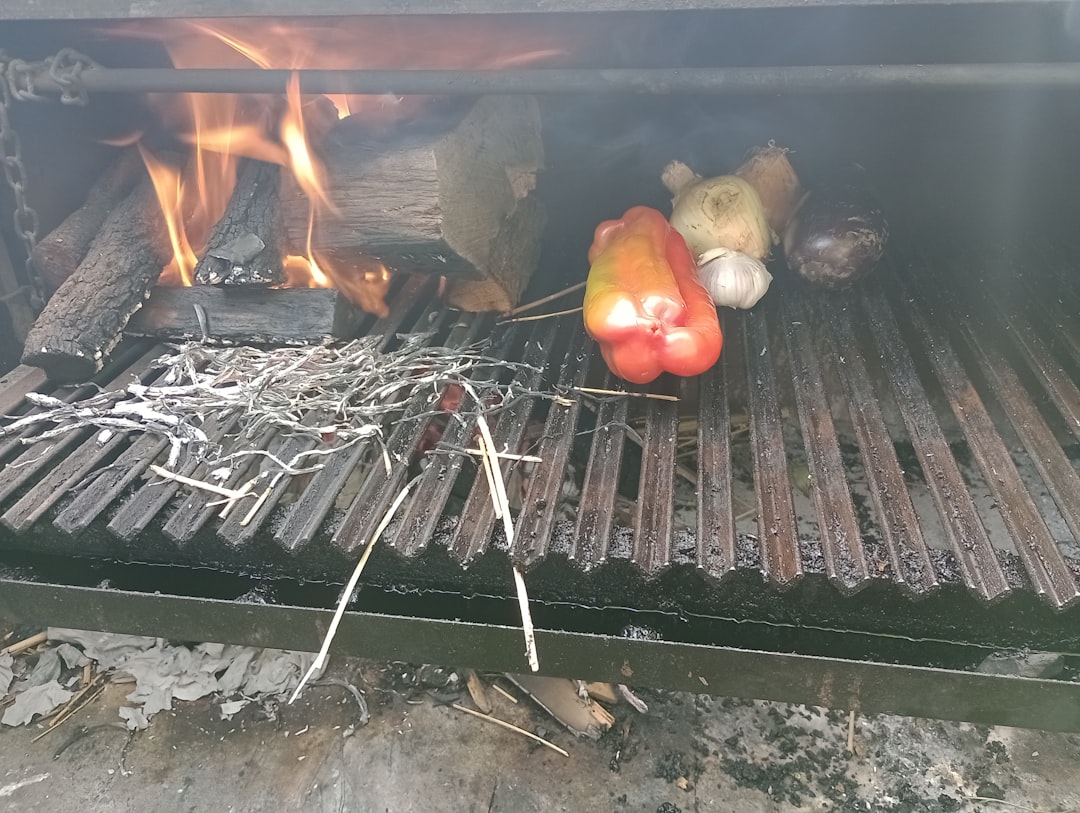
| Grilled vegetables limp | Too thick, too low heat | Thinner slices, hotter grill |
The Real Secret
Ask any restaurant cook how they get vegetables so perfectly crispy, and they’ll tell you the same things: high heat, dry surfaces, and not crowding the pan. There’s no secret ingredient or special technique. It’s about understanding that water is the enemy and giving it every opportunity to escape.
Start with one change. Maybe it’s preheating your sheet pan. Maybe it’s finally using two pans instead of cramming everything onto one. Maybe it’s putting down the spatula and letting your vegetables actually make contact with heat.
Whatever you try, you’ll notice a difference immediately. And once you’ve tasted properly cooked vegetables-caramelized, with texture, actually delicious-you won’t go back to soggy.