Tamarind Cooking: Sweet-Tart Flavor of the Year
You’ve probably seen tamarind paste in the international aisle and walked right past it. Maybe you grabbed a pad thai from your favorite spot and wondered what gave it that sweet-sour punch. That’s tamarind.
And but: 2025 is shaping up to be tamarind’s year. Food trend reports are calling it, recipe developers are obsessed with it, and honestly? It’s about time. This tangy brown pod deserves way more love than it’s been getting.
What Actually Is Tamarind?
Let’s get the basics down. Tamarind comes from a tropical tree that produces these brown, pod-shaped fruits. Inside? A sticky, date-like pulp that’s intensely sour when young and mellows into sweet-tart territory as it ripens.
You’ll find it in three main forms:
Tamarind paste - The most convenient option. Pre-processed pulp in a jar, ready to go. This is what I keep in my fridge.
Tamarind concentrate - Super concentrated version. A little goes a long way. Think of it like tomato paste versus crushed tomatoes.
Tamarind pods - The whole fruit. You break open the shell, pull out the pulp, remove the seeds and fibers. More work but fresher flavor.
The taste? Imagine if a date and a lemon had a baby. Sweet, sour, slightly fruity, with this deep caramel undertone. It’s complex in a way that makes your mouth wake up.
Why Tamarind Works in Everything
I started experimenting with tamarind about six months ago. First dish: classic pad thai - then I got curious.
Turns out tamarind is ridiculously versatile. The sweet-tart profile means it plays nice with both savory and sweet applications.
Marinades and Glazes
Tamarind + soy sauce + ginger = incredible marinade for chicken thighs. The acidity tenderizes the meat while the sugars caramelize beautifully on the grill. I’ve also mixed it with honey and chipotle for pork ribs. Game over.
The magic happens because tamarind contains natural acids (tartaric, malic, citric) that break down proteins. But unlike straight vinegar or lemon juice, it doesn’t taste aggressively acidic. It’s rounded out by those sweet notes.
Soups and Stews
Ever had tom yum soup? That sour backbone comes from tamarind. I add a tablespoon to beef stew now. It brightens the whole pot without making it taste “Asian” - it just tastes more alive. More dimensional.
You can also use it in place of tomatoes in chili. Sounds weird, I know. But the acidity serves the same purpose while adding this mysterious depth that people can’t quite identify.
Drinks and Cocktails
Tamarind agua fresca is traditional in Mexico - tamarind pulp blended with water and sugar. Refreshing as hell on a hot day.
But bartenders are getting creative too. Tamarind syrup in whiskey sours - tamarind-spiked margaritas. Even a tamarind mojito (which sounds wrong but tastes surprisingly right).
The cocktail application makes sense when you think about it. We use citrus for acidity and balance. Tamarind does the same job with bonus complexity.
Desserts That Surprise You
This is where people get skeptical. But hear me out.
Tamarind candy is huge in Latin America and Asia for a reason. That sweet-sour combination hits multiple taste receptors at once. Your brain finds it fascinating.
I’ve made tamarind caramel sauce (drizzle it over vanilla ice cream), tamarind shortbread cookies, and tamarind cheesecake. The common thread? People take a bite, pause, take another bite, then ask “what IS that flavor?
It cuts through richness. A tamarind swirl in dark chocolate brownies prevents that one-note sweetness that can get cloying.
Cooking Techniques That Work
Here’s what I’ve learned through trial and error:
**Start small - ** Tamarind is potent. Use half what you think you need, taste, then add more. It’s way easier to add than to fix an over-tart dish.
**Bloom it in warm liquid. ** If you’re using tamarind paste or concentrate, whisk it into warm water or broth first. This dissolves it evenly and prevents clumps.
**Balance with fat and sweet - ** Tamarind’s acidity needs counterweights. Coconut milk, butter, sugar, honey - these round it out. Thai and Indian cuisines figured this out centuries ago.
**Cook it down. ** Raw tamarind tastes sharp and one-dimensional. But simmer it in a sauce for 10-15 minutes? The flavors deepen and mellow. It becomes less “sour” and more “tangy.
**Pair it smart. ** Tamarind loves: ginger, garlic, chilies, cumin, coriander, fish sauce, brown sugar, sesame. It’s less happy with: delicate herbs like basil or dill, cream-based sauces (it can curdle dairy if you’re not careful).
My Go-To Tamarind Formula
This is my base recipe that I adjust for different dishes:
- 2 tablespoons tamarind paste
- 2 tablespoons brown sugar or palm sugar
- 1 tablespoon fish sauce (or soy sauce for vegetarian)
- 1 teaspoon grated ginger
- 1 garlic clove, minced
- 1/4 cup water
Simmer everything together for 5 minutes. That’s it.
- Stir-fry sauce (add cornstarch slurry to thicken)
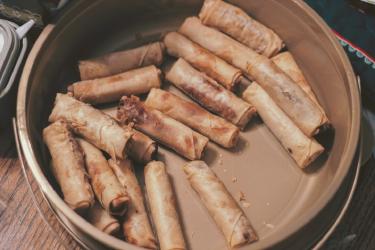
- Dipping sauce for spring rolls
- Glaze for salmon or tofu
- Dressing (thin it with more water and oil)
The ratios shift depending on the application, but this 1:1 tamarind-to-sugar ratio is a solid starting point.
Why 2025 Is Tamarind’s Moment
A few things are converging. Food trend forecasters cite “global comfort food” as a major theme - people want bold flavors from different cuisines but in approachable formats. Tamarind fits perfectly.
Sustainability matters more now. Tamarind trees are drought-resistant and thrive in marginal soil conditions. They’re a climate-smart crop, which appeals to environmentally conscious cooks.
And honestly? We’re bored with the same old flavor profiles. Lemon and lime are fine, but they’re predictable. Tamarind brings something different to the table. It makes food interesting again.
Major brands are catching on. You’re seeing tamarind hot sauces, tamarind BBQ sauce, even tamarind kombucha hitting shelves. When commercial products start appearing, you know the ingredient has crossed over.
Getting Started
Don’t overthink it. Grab a jar of tamarind paste next time you’re at the grocery store (check the international aisle or an Asian market). It’ll last for months in the fridge.
Try this dead-simple recipe: mix tamarind paste with ketchup in a 1:3 ratio. Use it as a dipping sauce for fries or grilled cheese. Sounds random, I know. But that sweet-tart kick makes regular ketchup taste flat by comparison.
Once you’ve got a feel for the flavor, branch out. Add it to your next batch of chili. Stir some into barbecue sauce - blend it into salad dressing.
The beauty of tamarind is that it doesn’t shout “exotic ingredient. " It just makes food taste more like itself - but better. Brighter - more complete.
Your cooking doesn’t need to be complicated to be interesting. Sometimes you just need one ingredient that changes the game. For me this year - that’s tamarind.