How to Start a Cookbook Club in Your Community
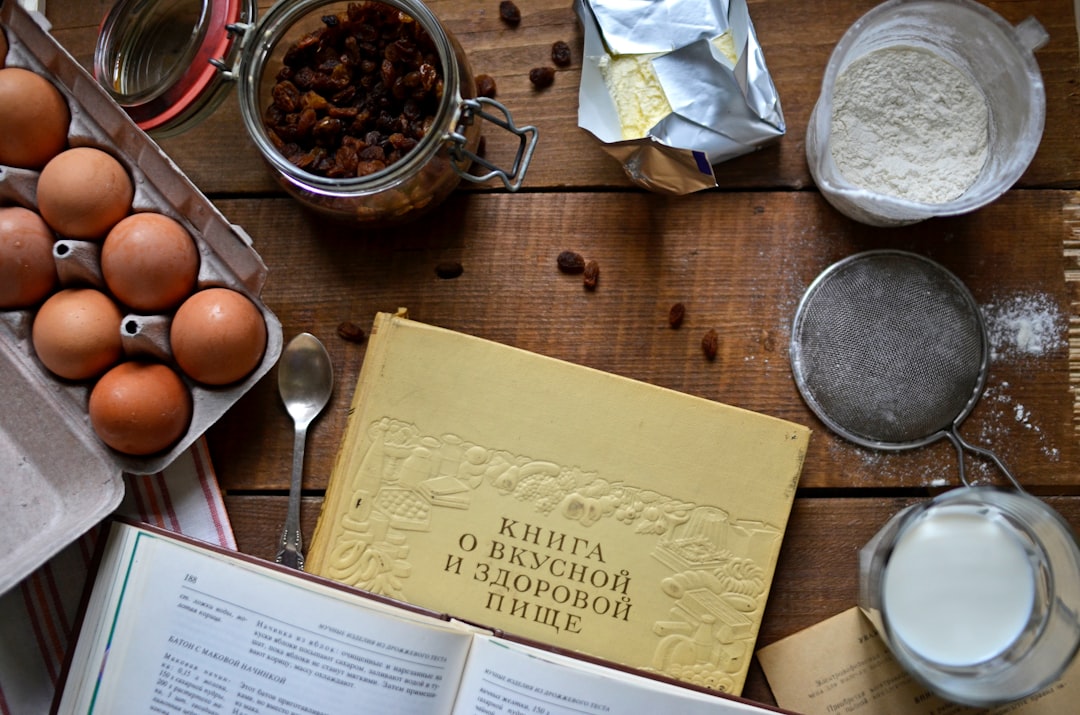
So you love food. You’ve got a shelf (or three) full of cookbooks. And sometimes you flip through them just for fun, bookmarking recipes you swear you’ll make “someday.
but: someday can be today. And it’s way more fun with other people.
A cookbook club takes that solo cookbook browsing habit and turns it into something social. Think book club, but instead of discussing plot twists, you’re passing around homemade focaccia and debating whether the recipe really needed that much rosemary.
What Exactly Is a Cookbook Club?
Picture this: a group of people picks one cookbook each month. Everyone chooses a recipe from it, makes it at home, and brings it to a potluck. You eat together. You talk about what worked, what flopped, and what you’d do differently next time.
That’s the basic formula - but honestly? There’s no single “right” way to run one.
Some groups meet monthly. Others get together every six weeks. Some focus on specific cuisines. Others jump around from Italian to Thai to Southern comfort food. The point is gathering around food with people who get why you spent $45 on a cookbook about fermentation.
Getting Your Club Off the Ground
Find Your People
You don’t need a huge group. Four to eight people works really well-enough variety in dishes without overwhelming anyone’s dining table. Start by asking friends who already cook, but don’t limit yourself. Post in neighborhood Facebook groups - mention it at work. Put up a flyer at your local library.
The best cookbook clubs mix skill levels. Beginners bring fresh enthusiasm - experienced cooks share tips. Everyone learns something.
One word of advice: look for people who are reliable. Potlucks fall apart when half the group doesn’t show. You want folks who’ll actually commit to making a dish and showing up.
Decide on the Basics
Before your first meeting, figure out:
**How often will you meet? ** Monthly is the sweet spot for most groups. It gives everyone time to plan, shop, and cook without feeling rushed.
**Where will you gather - ** Rotating homes works great. If that’s not possible, consider community centers, church halls, or even outdoor potlucks in warmer months.
**Who picks the cookbook - ** Take turns. This keeps things democratic and exposes everyone to different styles and cuisines.
**What about dietary restrictions - ** Get this information upfront. You’ll want to know about allergies, vegetarian preferences, and anything else that affects menu planning.
The Cookbook Question
Not everyone needs to own every cookbook. Libraries often have extensive cookbook collections. Some groups share a single copy that gets passed around. Others chip in to buy one copy for the group.
Here’s a practical approach: whoever picks the month’s cookbook sends photos of the recipe index to the group. People call dibs on recipes, then the book makes its rounds.
Or go digital. Many newer cookbooks have online versions. Classic recipes from well-known books are often available on the author’s website or in magazine archives.
Running Your First Meeting
Your inaugural potluck sets the tone. Keep it simple.
Pick a crowd-pleaser cookbook for month one. Something accessible - ina Garten. Samin Nosrat - yotam Ottolenghi’s simpler stuff. You want recipes that won’t intimidate newcomers.
As people arrive with their dishes, have them share:
- What recipe they made
- Why they picked it
- How it went (the good, the bad, the smoke alarm moments)
This sharing time is half the fun. You’ll hear about kitchen disasters, ingredient substitutions, and happy accidents. Someone will inevitably say “mine didn’t turn out like the picture” and everyone will laugh because same.
Then you eat - obviously.
Keeping Things Interesting
After a few months, you might want to shake things up.
**Theme nights work well - ** All appetizers. Desserts only - everything from one chapter. Dishes under $15 to make. Recipes you can prep in 30 minutes or less.
**Invite guest experts. ** Know someone who’s great at bread? A friend who worked in restaurants? Local food bloggers? Invite them to share tips or demonstrate a technique.
**Try challenges. ** Everyone makes the same recipe and compares results. This is fascinating-ten people following identical instructions will produce ten different outcomes.
**Go beyond traditional cookbooks - ** Food magazines. Blogs printed out and bound - old family recipe collections. A friend’s grandmother’s handwritten recipe cards (with permission, obviously).
**Document everything. ** Start a shared Google Doc or private Instagram account. Rate recipes - note modifications. Build a record of your collective cooking adventures.
The Practical Stuff Nobody Tells You
**Portion sizing is tricky. ** Tell people to make enough for 8-10 tastings, not full servings. Otherwise you’ll have mountains of food. Which isn’t necessarily bad, but still.
**Bring serving utensils. ** Nothing kills momentum like hunting for a spare spoon.
**Labels help. ** Little cards noting the recipe name, cookbook page, and any allergens save a lot of repeated questions.
**Have backup plates and forks - ** People forget stuff.
**Expect some recipes to fail - ** That’s part of it. A dish that flopped makes for a better story than one that turned out fine.
**Don’t get competitive. ** This isn’t a cooking show. No one’s getting eliminated. The goal is community, not culinary one-upmanship.
What Makes It Worth It
I’ve seen cookbook clubs become genuine friendships. There’s something about sharing food you made with your own hands that creates connection faster than almost anything else.
You’ll expand your cooking skills without even trying. When you watch someone else’s technique or taste their interpretation of a recipe, you absorb new approaches. That person who always gets perfect rice? You’ll learn their secret.
You’ll actually use your cookbooks. All those flagged recipes will finally get made. That beautiful book collecting dust on your shelf will earn its place in your kitchen.
And you’ll eat really, really well.
Troubleshooting Common Issues
“People keep flaking. “ Address this directly but kindly. Consider a small buy-in-maybe everyone contributes $5 to a wine fund. Having skin in the game helps attendance.
“The same people always dominate conversation. “ Structure the sharing time. Give everyone two minutes to talk about their dish. Use a talking spoon if you need to.
“We’re in a rut with cookbook choices. “ Make a rule that you can’t repeat cuisines in consecutive months. Or let newcomers pick first to bring fresh perspectives.
“Skill levels are too different - “ Embrace it. Pair experienced cooks with beginners for more complex books. Or choose cookbooks with recipes ranging from simple to challenging so everyone finds their level.
“Scheduling is impossible - “ Pick a standing date. First Saturday of every month - third Thursday. Whatever works for most people. Those who can make it, make it.
Start Small, Stay Consistent
You don’t need matching aprons or a logo or a formal mission statement. You need a few people willing to cook and show up.
Send that first text - post in that neighborhood group. Ask your coworker who’s always talking about the new restaurant they tried.
Then pick a date, pick a cookbook, and see what happens.
The worst case? You have a nice meal with some new acquaintances. The best case? You build a community around something you already love.
Worth a shot, right?