Sous Vide for Beginners: Precision Cooking at Home
You’ve probably seen those vacuum-sealed bags of food cooking in water baths on cooking shows and wondered what all the fuss is about. Sous vide might look fancy, but here’s the truth: it’s one of the easiest cooking methods you can master at home.
The concept is simple. You seal food in a bag, drop it in temperature-controlled water, and walk away. No hovering over a hot stove. No prodding chicken breasts every two minutes to check if they’re done. The water does all the work while you binge-watch Netflix.
What Makes Sous Vide Different?
Traditional cooking is basically controlled chaos. Your stovetop fluctuates between temperatures, your oven has hot spots, and timing everything perfectly requires the precision of a Swiss watchmaker.
Sous vide flips that script. The water bath maintains an exact temperature-we’re talking 130°F, not 130°F-ish. Your steak cooks to medium-rare throughout, not just in the center with gray edges. Your salmon comes out buttery and tender, never dry or rubbery.
Think of it like this: conventional cooking is a race against time and heat. Sous vide is a leisurely stroll where you control every variable.
Getting Started: What You Actually Need
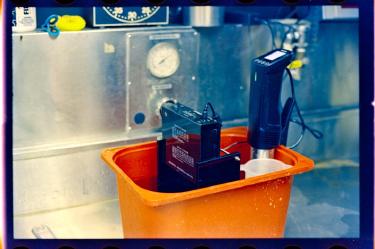
Good news-you don’t need to drop $500 on equipment. An immersion circulator (the gadget that heats and circulates the water) runs about $100-150 for decent models. Popular brands include Anova, Joule, and Instant Pot’s version.
You’ll also need:
**A container for the water bath. ** Any large pot works, though dedicated containers with lids are nice for longer cooks. I’ve used a basic stock pot for three years without issues.
**Bags to seal your food. ** Heavy-duty zipper bags work fine-just use the water displacement method to remove air. Vacuum sealers are convenient but not required when you’re starting out.
**A reliable thermometer. ** Your circulator has one built in, but a separate instant-read thermometer helps verify temperatures and gives you peace of mind.
That’s it. No specialized pans, no expensive tools. Just those three things and you’re cooking.
Your First Cook: Chicken Breasts That Don’t Suck
Let’s be honest-chicken breasts are easy to screw up. They go from undercooked to sawdust in about 47 seconds. Sous vide makes them impossible to ruin.
Here’s what you do:
1 - set your circulator to 145°F. This temperature gives you juicy, tender chicken that’s fully cooked but not dry.
2 - season your chicken. Salt, pepper, maybe some garlic powder. Keep it simple for your first attempt.
Seal the chicken in a bag, squeeze out the air, and drop it in the water. Set a timer for 90 minutes.
When the timer goes off, pull out the chicken and sear it quickly in a screaming hot pan-30 seconds per side just to get some color and texture.
The result? Chicken that’s actually juicy all the way through. Your family might accuse you of switching to expensive organic chicken when really you just applied basic physics.
Understanding Temperature and Time
This is where sous vide gets interesting. Temperature determines doneness, but time affects texture.
A steak at 129°F is medium-rare whether you cook it for one hour or three hours. But leave it in for 4+ hours and the texture starts changing-not necessarily bad, just different as proteins break down further.
Some quick reference points:
Chicken breasts: 140-165°F (145°F is the sweet spot) Steak: 129-135°F depending on your preference Pork chops: 135-145°F Salmon: 120-125°F for soft and buttery Eggs: 145-165°F for various textures from custardy to firm
The beauty is you can leave things in longer without disaster. Your steak at 131°F won’t suddenly turn medium-well if you’re 30 minutes late getting home. It’ll be fine.
Common Beginner Mistakes (And How to Avoid Them)
Skipping the sear is mistake number one. Sous vide gives you perfect doneness but doesn’t create that caramelized crust we all love. Always finish proteins with a quick sear in a ripping hot cast iron pan or under the broiler.
Using too much liquid in the bag is another one. A little oil or butter is fine, but dump in too much marinade and your food basically boils in its own juices. Not ideal.
Also, don’t overcrowd your water bath. Water needs to circulate around each bag. If you’re cooking for a crowd, stagger the bags or use clips to keep them separated.
And here’s something nobody tells you: some vegetables turn to mush in the water bath. Asparagus and green beans - great. Broccoli and cauliflower - weird texture. Stick to proteins and sturdy vegetables when you’re learning.
Is It Actually Worth It?
Depends what you value. If you cook chicken, steak, pork chops, or fish regularly, sous vide is a game-cha-wait, scratch that-it’s genuinely useful. You get restaurant-quality results with less effort and stress.
The hands-off nature is clutch when you’re juggling dinner and everything else. Throw food in the water bath when you get home, take a shower, help kids with homework, then finish cooking in five minutes.
But if you mostly make pasta and stir-fries, you probably don’t need it. Sous vide excels at proteins that are easy to overcook using traditional methods.
Beyond the Basics: What’s Next?
Once you’ve nailed chicken and steak, the sous vide rabbit hole goes deep. People make 72-hour short ribs that fall apart with a spoon. Eggs cooked at precise temperatures create textures impossible to achieve any other way. You can make the best burger of your life by cooking patties to 130°F, then searing them.
Meal prep people love sous vide because you can cook a week’s worth of chicken breasts to perfection, then just reheat them quickly in a pan. The texture holds up way better than conventional cooking.
Some folks even use it for desserts-crème brûlée, cheesecake, fruit compotes. I haven’t gone there yet, but the options exist.
The Real Talk
Sous vide isn’t magic, and it won’t turn you into a Michelin-star chef overnight. But it removes the guesswork from cooking proteins. No more cutting into chicken to check if it’s done. No more steaks that are perfect on one side and overcooked on the other.
It’s also surprisingly forgiving for beginners. The precise temperature control means you can focus on learning seasoning and finishing techniques without worrying about raw or dried-out food.
If you’ve ever wanted to cook better food at home without adding stress to your evenings, sous vide delivers. The learning curve is gentle, the equipment isn’t outrageous, and the results speak for themselves.
Grab an immersion circulator, some zipper bags, and start with chicken breasts. You’ll figure out why people get excited about cooking food in plastic bags in water. Because it just works.