Sheet Pan Dinners: Zero-Waste Cooking with Scraps
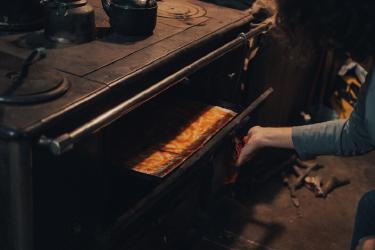
You know that feeling when you toss broccoli stems or carrot tops into the trash? That tiny pang of guilt - yeah, me too. But but-those “scraps” you’re throwing away are actually gold for sheet pan dinners.
I started paying attention to my kitchen waste about a year ago. What I found was embarrassing. Potato peels, herb stems, the tough ends of asparagus-all of it going straight into the garbage. Now? My compost bin is practically empty because everything ends up on a sheet pan instead.
The Scraps You’re Probably Throwing Away (But Shouldn’t)
Let’s get specific. These are the items most people toss without a second thought:
Broccoli stems - Peel the tough outer layer, slice them into coins, and they roast up sweeter than the florets. Seriously. Try it once and you’ll never throw them out again.
Carrot tops - Those feathery greens make an incredible pesto or chimichurri. Blend with olive oil, garlic, and whatever nuts you have around.
Cauliflower leaves - The big outer leaves that come wrapped around the head? They crisp up like kale chips when roasted at 400°F with a little olive oil and salt.
Potato peels - Toss them in oil, spread on a sheet pan, roast until crispy. You’ve got chips - free chips.
Celery leaves - More flavorful than the stalks, actually. Scatter them over your sheet pan veggies in the last 5 minutes of cooking.
Fennel fronds - Those wispy green tops add an anise brightness to fish or chicken. Don’t you dare throw them out.
The list goes on. Beet greens, radish tops, leek tops, corn cobs (for stock), mushroom stems, parsley stems. Once you start looking, you’ll find scraps everywhere.
My Go-To Zero-Waste Sheet Pan Formula
Here’s how I approach it. Every sheet pan dinner in my house follows a loose formula:
1 protein + 2-3 “real” vegetables + 1-2 scraps + fat + seasoning
The scraps aren’t an afterthought - they’re part of the plan.
Last Tuesday, I made chicken thighs with sweet potatoes and Brussels sprouts. Pretty standard, right? But I also threw in the stems from the Brussels sprouts (sliced thin), potato peels from the sweet potatoes,. Some wilted scallion tops that were looking sad in my fridge. Everything roasted together at 425°F for about 35 minutes.
The result? More food, more texture variety, zero waste. The crispy potato peels were actually everyone’s favorite part.
Timing Matters More Than You Think
Not all scraps cook at the same rate. This trips people up.
Hardy scraps like broccoli stems, cauliflower cores, and potato peels can go in from the start. They need the full cooking time to get tender and caramelized.
Delicate scraps-herb stems, leafy greens like beet tops, soft vegetable ends-should be added in the last 10-15 minutes. Otherwise they’ll burn or turn to mush.
Here’s a rough guide:
Full time (25-40 minutes at 400-425°F):
- Broccoli and cauliflower stems
- Potato and sweet potato peels
- Carrot ends and peels
- Onion roots and outer layers
- Fennel cores
Last 15 minutes:
- Kale stems (chopped small)
- Chard stems
- Leek tops
Last 5-10 minutes:
- Herb stems
- Leafy tops (beet greens, radish greens)
- Celery leaves
- Scallion tops
Yes, this means you’ll need to open the oven partway through. It’s worth it.
Three Actual Recipes That Work
Scrap-Forward Roasted Vegetable Medley
This one’s vegetarian and uses whatever you’ve got.
- 2 cups broccoli stems, peeled and sliced
- 1 cup cauliflower leaves, torn
- Peels from 2 potatoes
- 1 cup mushroom stems, halved
- 3 tablespoons olive oil
- 1 teaspoon smoked paprika
- Salt and pepper
- Handful of parsley stems (added last 5 minutes)
Toss everything except parsley stems in oil and seasonings. Roast at 400°F for 30 minutes, stirring once. Add parsley stems, roast 5 more minutes. Done.
Salmon with Fennel Scraps and Citrus
- 4 salmon fillets
- 1 fennel bulb, sliced (save the fronds!)
- Fennel core, thinly sliced
- Fennel fronds
- 1 lemon, sliced
- 2 tablespoons olive oil
- Salt, pepper, dill
Arrange fennel slices and cores on sheet pan. Nestle salmon on top - drizzle with oil, season everything. Roast at 400°F for 15-18 minutes. Scatter fronds over the top when it comes out of the oven. The fronds wilt slightly from the residual heat and smell incredible.
Chicken Thighs with Root Vegetable Scraps
- 6 bone-in chicken thighs
- Peels from 3 carrots
- Peels from 2 parsnips
- 1 cup leek tops, sliced
- 4 garlic cloves, smashed
- 3 tablespoons butter, melted
- Fresh thyme (stems and all)
- Salt, pepper
Spread carrot and parsnip peels on sheet pan. Place chicken thighs on top, skin side up. Drizzle butter over everything - season well. Roast at 425°F for 25 minutes. Add leek tops and thyme. Roast another 15 minutes until chicken hits 165°F and skin is crispy.
The vegetable peels underneath the chicken get absolutely drenched in rendered fat. They’re basically chicken-flavored chips by the end.
The Storage Situation
You won’t always have enough scraps for a full meal right when you need them. So save them.
I keep a gallon freezer bag in my freezer specifically for vegetable scraps. Every time I prep vegetables, the usable scraps go in the bag. When it’s full, I either make stock or plan a scrap-heavy sheet pan dinner.
Some scraps freeze better than others. Onion ends, celery ends, carrot peels, herb stems-all freeze perfectly. Leafy greens don’t freeze well for roasting (they get weird), so use those fresh or make pesto.
Pro tip: Keep a separate bag for “stock scraps” versus “roasting scraps. " Some things, like onion skins, are great for stock but not for eating. Don’t mix them up.
What Doesn’t Work
I’d be lying if I said every scrap is sheet pan material. Some things just don’t work.
Citrus peels - Too bitter for most applications. Save for zesting or candying.
Avocado pits and skins - Just compost these. Trust me.
Banana peels - Nope.
Eggshells - Obviously not. But crush them for your garden.
Tough herb stems from woody herbs - Rosemary and thyme stems are too woody. Use the leaves, compost the stems.
Onion skins - Great for stock, terrible for eating.
Basically, if you wouldn’t eat it raw, you probably won’t want to eat it roasted. Common sense applies.
The Bigger Picture
Look, I’m not going to lecture you about food waste statistics. You’ve heard them. Roughly 30-40% of food in the US ends up in landfills. It’s bad.
But here’s what actually motivated me to change: money. I was essentially buying vegetables and throwing a third of them away. That broccoli stem you’re tossing - you paid for it. Those carrot tops? Part of the price per pound.
Sheet pan dinners with scraps are more than environmentally friendly. They’re economically smart. You’re getting more food from the same grocery bill.
And honestly? Some scraps taste better than the “main” vegetable. Cauliflower leaves are crispier than cauliflower florets. Broccoli stems are sweeter than florets. Carrot peels caramelize faster because they’re thinner.
You might actually prefer the scraps once you give them a chance.
Start Small
Don’t try to overhaul everything at once. Next time you make a sheet pan dinner, save just one type of scrap. Broccoli stems are the easiest starting point-they’re substantial and almost impossible to mess up.
Once you get comfortable with that, add another scrap to your rotation. Then another.
Within a month, you’ll be looking at your compost bin wondering why it’s so empty. And your sheet pan dinners will have way more variety than before.
That’s the whole point, really. More flavor, less waste, same effort. Your sheet pan doesn’t care whether it’s roasting “proper” vegetables or scraps. Heat is heat - caramelization is caramelization.
The only difference is what you choose to put on it.