Pulse Power: Cooking With Beans Lentils and Chickpeas
So you’ve got a bag of dried lentils staring at you from the pantry shelf. Maybe some chickpeas too. And you’re wondering what to actually do with them beyond the sad, unseasoned bean salad your aunt brings to every family gathering.
Good news: pulses are secretly the most versatile ingredients in your kitchen. They’re cheap, packed with protein and fiber, and they can take on pretty much any flavor you throw at them. The trick is knowing how to cook them properly and-this is the important part-actually making them taste good.
Why Pulses Deserve a Spot in Your Weekly Rotation
Let’s talk numbers for a second. One cup of cooked lentils delivers about 18 grams of protein and 16 grams of fiber. That’s more protein than two eggs and more fiber than most people eat in an entire day. And they cost roughly $0. 30 per serving when you buy dried.
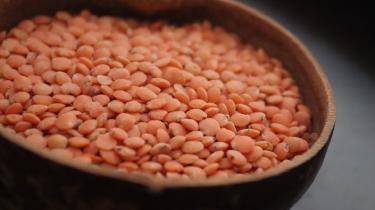
But here’s what nobody tells you: the real magic of pulses is their texture range. Red lentils dissolve into creamy soups. French green lentils hold their shape for salads. Chickpeas crisp up beautifully in a hot oven. Black beans turn silky when mashed. You’re not cooking one ingredient-you’re cooking dozens of possibilities.
The plant protein thing matters too. You don’t need to be vegetarian to appreciate that eating less meat saves money and is easier on the planet. Swapping beans for ground beef in your taco Tuesday? That’s a $4 savings right there.
Getting the Basics Right
Most people mess up pulses before they even start cooking. The soaking question confuses everyone.
Here’s the deal: lentils don’t need soaking. Ever. They cook in 20-45 minutes depending on the variety. Red lentils are the fastest at around 15 minutes. Brown and green lentils take closer to 25-30.
Chickpeas and larger beans - different story.
Overnight soak: Cover dried beans with 3 inches of water. Let them sit 8-12 hours - drain and rinse. This is the set-it-and-forget-it method.
Quick soak: Boil beans for 2 minutes, then let them sit covered for an hour off the heat. Not quite as good, but works in a pinch.
No soak: Some people swear by just cooking beans longer without soaking. Takes about 2 hours instead of 1. The texture can be slightly less even, but honestly? It’s fine.
One non-negotiable rule: always salt your cooking water. That old advice about salt making beans tough? Completely false. In fact, salt helps beans cook more evenly and taste way better. About 1 tablespoon per pound of dried beans works well.
Five Recipes That Actually Deliver
Crispy Spiced Chickpeas
These disappear faster than popcorn at my house.
Drain and rinse two cans of chickpeas (or use about 3 cups of home-cooked). Pat them completely dry with paper towels-this step matters. Wet chickpeas steam instead of crisp.
Toss with 2 tablespoons olive oil, 1 teaspoon each of cumin and smoked paprika, half teaspoon garlic powder, and a good pinch of salt. Spread on a sheet pan in a single layer.
Roast at 425°F for 35-40 minutes, shaking the pan halfway through. They should be deeply golden and crunchy. Eat immediately or store in an open container (a closed container makes them soggy).
Red Lentil Soup With Lemon
This Turkish-style soup takes 30 minutes and costs maybe $3 to make enough for four people.
Sauté one diced onion and three minced garlic cloves in butter until soft. Add 1. 5 cups red lentils, 6 cups chicken or vegetable broth, a tablespoon of tomato paste, and a teaspoon of cumin. Simmer until the lentils completely fall apart, about 20 minutes.
Blend until smooth-an immersion blender is perfect here. Finish with the juice of one lemon and a drizzle of olive oil. The lemon isn’t optional. It transforms the whole thing from bland to bright.
Black Bean Tacos With Quick-Pickled Onions
Heat a can of black beans with half a teaspoon each of cumin and chili powder. Mash about half of them with a fork, leaving some whole for texture.
While that happens, slice a red onion thin and cover with lime juice and a pinch of salt. Let it sit 10 minutes. The acid softens the onion and turns it pink.
Warm corn tortillas directly over a gas flame (or in a dry skillet), top with beans, pickled onions, crumbled cotija cheese, and fresh cilantro. Maybe some hot sauce.
Lentil Bolognese
This tricks even committed meat-eaters. The secret is using green or brown lentils that hold their shape-they mimic ground meat texture.
Cook lentils until just tender in well-salted water. Drain. In a separate pot, make a basic tomato sauce: sauté onion, carrot, and celery. Add garlic, a can of crushed tomatoes, splash of red wine, and the cooked lentils. Simmer 20 minutes.
Serve over pasta with way too much parmesan. The lentils absorb the sauce and get meaty without being mushy.
Chickpea Salad Sandwiches
This one replaced tuna salad in my lunch rotation. Mash chickpeas roughly with a fork-you want some texture, not baby food. Add mayo, dijon mustard, diced celery, salt, pepper, and maybe some fresh dill.
That’s it. Pile it on bread with lettuce and tomato. Sometimes I throw in a handful of chopped pickles or capers for brightness.
Meal Prep Strategies That Work
Cooking pulses from dried makes sense when you batch it. Here’s my system:
Sunday evening, I cook a big pot of one type of bean or lentil. Usually about 2 cups dried, which yields around 6 cups cooked. Takes minimal active time-mostly just simmering while I do other things.
Portion into containers. Two cups get refrigerated for immediate use (3-5 days). The rest goes in the freezer in 1. 5 cup portions, which is roughly one can equivalent.
Frozen cooked beans defrost in the microwave in 3 minutes or in the fridge overnight. They’re actually more convenient than canned because you’ve already done the draining and rinsing.
The texture holds up surprisingly well. Chickpeas and black beans freeze best. Lentils work but can get slightly softer-which is fine for soups and stews.
Common Mistakes and How to Fix Them
Bland beans: This is the number one complaint. You’re not seasoning aggressively enough. Pulses absorb tons of flavor but only if you give them flavor to absorb. Cook them in broth instead of water. Add aromatics like bay leaves, garlic, and onion to the cooking liquid. Season again when adding to dishes.
Mushy texture: You cooked them too long. Different varieties have different cooking times, and old dried beans take longer than fresh ones. Start checking 10 minutes before the recipe says they should be done.
Digestive issues: Real talk-beans cause gas for some people. Soaking helps. So does starting with small portions and building up. Lentils are generally easier to digest than larger beans. And here’s an odd tip: the more regularly you eat pulses, the less trouble they cause. Your gut adapts.
Tough skins: Usually means you added acid too early. Tomatoes, vinegar, and citrus should go in after beans are tender. Salt is fine from the start, but acid will keep skins tough forever.
Making Pulses Actually Interesting
The key to cooking pulses well is treating them like a canvas, not a finished dish. On their own, they’re pretty neutral. That’s a feature, not a bug.
Think about it: you can take the same cup of chickpeas and turn them into:
- Moroccan stew with preserved lemon and olives
- Indian chana masala with warming spices
- Italian pasta e ceci with rosemary and parmesan
- Middle Eastern hummus (obviously)
- American-style BBQ baked beans
Same ingredient, five completely different meals. The chickpea doesn’t care what cuisine it ends up in. It just absorbs whatever you throw at it and provides protein and substance.
So stop thinking of that bag of lentils as a chore. It’s actually unlimited potential sitting in your pantry, waiting for you to decide what you’re in the mood for tonight.