Protein-First Breakfast: Meeting New Dietary Guidelines
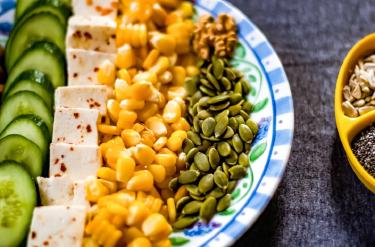
You’ve probably noticed something interesting happening at breakfast tables across the country. That stack of pancakes drowning in syrup? It’s being replaced by egg scrambles, Greek yogurt bowls, and cottage cheese parfaits. And there’s a good reason for this shift.
The 2025-2030 Dietary Guidelines for Americans finally acknowledged what nutrition researchers have been saying for years: most of us aren’t getting enough protein at breakfast. The typical American morning meal is basically a carb fest-cereal, toast, muffins, bagels. Tasty - sure. But it leaves you hungry by 10 AM and reaching for whatever’s in the office snack drawer.
Why Breakfast Protein Actually Matters
Here’s the deal. Your body has been fasting all night (that’s literally where “breakfast” comes from). When you wake up, your muscles are ready to use protein for repair and maintenance. Feed them carbs instead, and you miss that window.
The new guidelines recommend 25-30 grams of protein at breakfast for most adults. That’s a significant jump from the 10-15 grams most people currently eat. To put it in perspective, a bowl of cereal with milk gives you about 8 grams. Two eggs - around 12 grams. You need to be more intentional about it.
But this is more than about hitting arbitrary numbers. Protein at breakfast does a few important things:
- Keeps you fuller longer (protein takes more energy to digest)
- Stabilizes blood sugar so you don’t crash mid-morning
- Supports muscle maintenance, especially important as we age
- May help with weight management by reducing overall daily calories
One study from the University of Missouri found that teens who ate a high-protein breakfast had better appetite control and ate 400 fewer calories throughout the day compared to those who skipped breakfast entirely.
Practical Ways to Hit Your Protein Target
Let’s be realistic. Not everyone has time to cook a three-egg omelet on a Tuesday morning. The good news - you don’t have to.
The Greek Yogurt Route
Plain Greek yogurt packs about 17 grams of protein per cup. Add some nuts, seeds, and berries, and you’re looking at 22-25 grams without touching a stove. The key word here is “plain”-flavored varieties often contain as much sugar as a candy bar.
Cottage Cheese Comeback
Remember when cottage cheese was just something your grandmother ate? It’s having a moment right now, and for good reason. One cup delivers 28 grams of protein. Mix it with fruit, drizzle some honey, or blend it into a smoothie if the texture bothers you.
Eggs: Still the Champion
Three large eggs give you about 18 grams of protein. Hard-boil a batch on Sunday, and you’ve got grab-and-go protein all week. Pair with a glass of milk or some cheese, and you’ve hit your target.
The Smoothie Strategy
A well-built smoothie can deliver 30+ grams of protein without feeling like a meal replacement shake from the 90s. Start with Greek yogurt or cottage cheese as your base, add a scoop of protein powder if you want, throw in some nut butter,. Blend with whatever fruit you have on hand.
What About Meal Prepping?
If mornings are chaotic at your house (and whose aren’t? ), weekend prep is your friend.
Egg muffins are basically crustless quiches baked in a muffin tin. Whisk together eggs, cheese, vegetables, and whatever protein you like-ham, bacon, sausage. Pour into greased muffin tins and bake at 350°F for 20-25 minutes. They keep in the fridge for five days and reheat in under a minute.
Overnight oats with protein solve the “oatmeal isn’t high in protein” problem. Mix rolled oats with Greek yogurt instead of just milk, add some protein powder, chia seeds, and nut butter. Let it sit overnight. Morning you will thank evening you.
Breakfast burritos freeze beautifully. Make a big batch with scrambled eggs, black beans, cheese, and salsa. Wrap in foil, freeze, and microwave for 2-3 minutes when needed. Each burrito can easily hit 25 grams of protein.
Common Mistakes People Make
I see a lot of folks trying to up their breakfast protein and stumbling in predictable ways.
**Relying too heavily on processed meat. ** Yes, bacon and sausage have protein. They also have a lot of sodium and saturated fat. Use them as a flavor accent, not your main protein source.
**Forgetting about plant proteins. ** If you’re vegetarian or just trying to eat less meat, don’t panic. Tofu scrambles, tempeh bacon, legume-based dishes, and nut butters can all contribute significantly. A couple tablespoons of peanut butter adds 8 grams.
**Going overboard - ** More isn’t always better. Your body can only use about 25-40 grams of protein at a time for muscle synthesis. Eating 60 grams at breakfast doesn’t give you extra benefits-it just means expensive urine. Spread your protein intake throughout the day.
**Ignoring the rest of the meal. ** Protein is important, but so is fiber, healthy fats, and yes, some carbohydrates. A protein-first breakfast doesn’t mean protein-only. Include whole grains, fruits, and vegetables too.
Sample High-Protein Breakfast Ideas
Need some inspiration? Here’s what a week might look like:
Monday: Greek yogurt parfait with granola, berries, and sliced almonds (24g protein)
Tuesday: Two-egg omelet with cheese and vegetables, side of turkey sausage (28g protein)
Wednesday: Overnight oats with protein powder, peanut butter, and banana (26g protein)
Thursday: Cottage cheese bowl with peaches and a drizzle of honey (28g protein)
Friday: Breakfast burrito with eggs, black beans, cheese, and salsa (25g protein)
Saturday: Protein pancakes made with cottage cheese blended into the batter, topped with Greek yogurt (30g protein)
Sunday: Full breakfast with eggs, smoked salmon, avocado toast on whole grain bread (32g protein)
The Bottom Line
Shifting to a protein-first breakfast doesn’t require a complete overhaul of your morning routine. Small changes add up - swap regular yogurt for Greek. Add an extra egg - include nuts or nut butter. Choose higher-protein bread options.
The new dietary guidelines aren’t about restriction-they’re about optimization. When you start your day with adequate protein, you’re setting yourself up for better energy, fewer cravings, and improved nutrition overall.
And honestly? Once you experience what it feels like to not be starving by mid-morning, you won’t want to go back to your old carb-heavy breakfast anyway. That’s the thing about these changes. They stick because they actually make you feel better, not because some guideline told you to do it.