How to Properly Season Food at Every Cooking Stage
You’ve probably heard it before: “Season as you go. " But what does that actually mean? And why does restaurant food taste so much better than most home cooking even when using the same ingredients?
The secret isn’t some fancy technique or expensive equipment. It’s understanding when and how to add salt and other seasonings throughout the cooking process.
Why Timing Matters More Than Amount
but. Salt doesn’t just make food taste salty. It fundamentally changes how flavors develop and how ingredients behave during cooking.
When you salt meat 45 minutes before cooking, the salt draws out moisture initially. Then something interesting happens. That moisture gets reabsorbed, carrying the salt deep into the protein. The result? Meat that’s seasoned through and through, not just on the surface.
Salt vegetables at the start of sautéing, and you’ll pull out water that helps them soften and caramelize. Salt them at the end, and they stay crisp with a more intense vegetable flavor. Neither approach is wrong. They’re just different tools for different results.
The Three Stages of Seasoning
Think of seasoning in three phases: foundation, building, and finishing. Each serves a distinct purpose.
Foundation Seasoning (Before Cooking)
This is where most home cooks fall short. They skip seasoning raw ingredients entirely, then wonder why their food tastes flat even after adding salt at the table.
For proteins, season generously 45 minutes to 24 hours ahead. Chicken, pork, beef, fish-they all benefit from this advance salting. The texture improves too. You’ll notice a more tender, less rubbery result.
Pasta water should taste like the sea. Not kidding. That’s your one chance to season the pasta itself. About 1-2 tablespoons of kosher salt per pound of pasta in a large pot of water.
Beans are controversial. Old wisdom said never salt them early because it toughens the skins. But testing by serious cooks has debunked this. Salting your bean cooking water actually helps them cook more evenly.
Building Seasoning (During Cooking)
As you layer ingredients in a dish, each addition needs its own seasoning consideration.
Sautéing onions? Add a pinch of salt right when they hit the pan. This draws out moisture and speeds up caramelization. Same goes for mushrooms-salt helps release their liquid so you get golden, crispy edges instead of pale, steamed fungi.
When you’re building a soup or stew, taste and adjust after each major addition. Added stock - taste. Threw in the tomatoes - taste again. This constant checking prevents the dreaded “it needs something” moment at the end when it’s too late to fix.
One rookie mistake: seasoning too aggressively early in a reduction. As liquid evaporates, flavors concentrate. Something perfectly salted at the start can become way too salty by the time it’s reduced by half.
Finishing Seasoning (After Cooking)
This final stage is about brightness and balance, not just salt.
Acid is the most underused finishing tool. A squeeze of lemon on roasted vegetables, a splash of vinegar in soup, a bit of wine in a pan sauce. Acid lifts flavors and makes everything taste more alive.
Flaky finishing salts like Maldon add texture and little bursts of salinity. They’re wasted if added during cooking. Save them for right before serving on steaks, chocolate desserts, or fresh salads.
Fresh herbs lose their vibrancy with heat. Stir them in at the very end or use as garnish. Dried herbs, on the other hand, need cooking time to bloom and release their oils.
Beyond Salt: Other Seasonings and Their Timing
Salt gets all the attention, but other seasonings have their own timing rules.
Black pepper can become bitter with prolonged high heat. For dishes with long cooking times, add it in the last 15-20 minutes or at the end.
Garlic timing depends on the flavor you want. Add it early and cook it gently for a mellow, sweet garlic taste. Add it at the end for a more pungent punch. Burnt garlic is bitter garlic, so watch the heat.
Whole spices (cumin seeds, coriander, mustard seeds) benefit from toasting in oil at the start of cooking. This releases their essential oils. Ground spices can go in later but still need some heat to bloom properly.
Chili and heat should be layered too. Add some early for background warmth that permeates the dish. Add more at the end for forward, present heat. Different chilies behave differently-dried chilies need time to rehydrate and mellow, fresh ones can go in late.
Common Seasoning Mistakes (And How to Fix Them)
**Under-seasoning early, over-correcting late. ** When food tastes bland, adding tons of salt at the end creates a harsh, surface-level saltiness that’s unpleasant. The fix is consistent tasting and adjusting throughout.
**Forgetting acid. ** If your dish tastes flat but adding more salt makes it taste too salty, it probably needs acid. Try a teaspoon of lemon juice or vinegar before reaching for the salt shaker again.
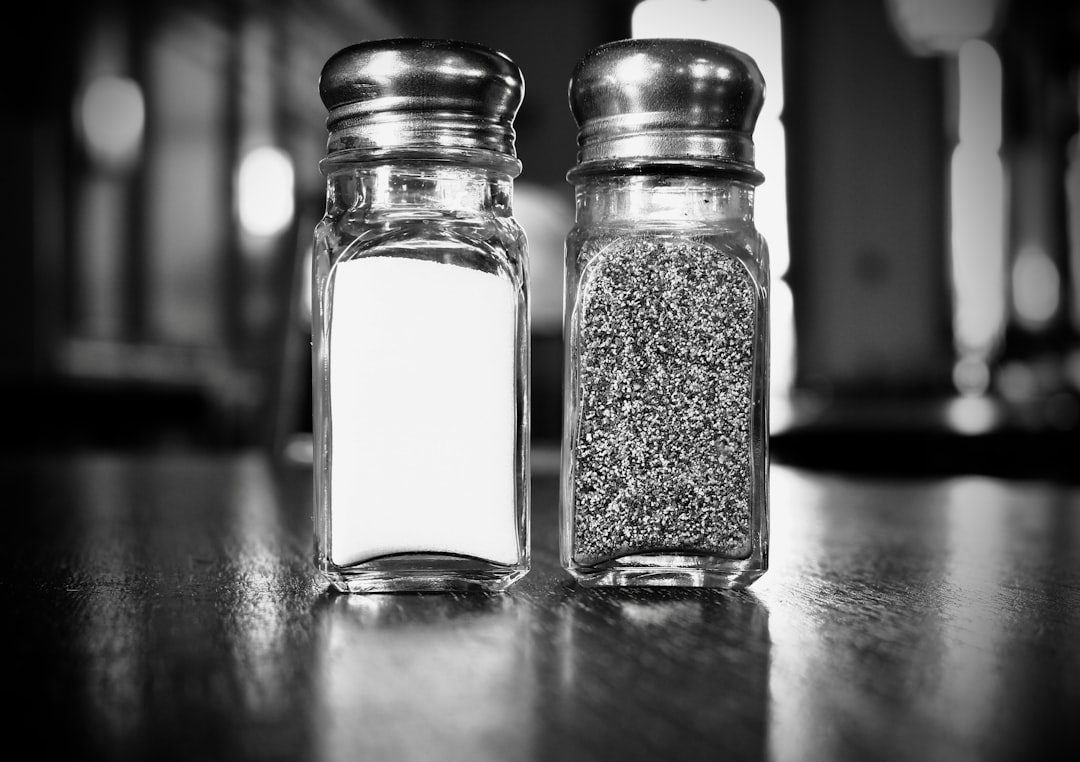
**Treating all salt as equal. ** Kosher salt, table salt, and sea salt have different volumes. A tablespoon of kosher salt is way less salty than a tablespoon of table salt. Learn your salt and stick with one type for consistency.
**Not accounting for other salty ingredients. ** Parmesan, soy sauce, fish sauce, capers, olives, anchovies-these all bring sodium. Cut back on added salt when using them.
A Practical Example: Chicken Soup
Let me walk you through how this works in practice.
Start by seasoning your chicken pieces with salt and pepper. Let them sit while you prep vegetables. Already you’re ahead of most recipes.
Sear the chicken. As it browns, the salt helps develop a better crust.
Remove the chicken. Add onions, carrots, and celery to the pot with a pinch of salt. The salt draws out moisture and prevents browning-you want them soft, not caramelized for soup.
Add garlic. Just a minute or two of cooking, stirring constantly.
Pour in stock. If it’s store-bought, taste it first. Some brands are salty, others bland. Adjust your approach accordingly - add the chicken back.
Simmer until everything’s cooked through - taste now. It probably needs more salt, but go slowly. The liquid will reduce slightly.
Right before serving, add a squeeze of lemon juice. Fresh parsley goes in here too. Taste one more time and adjust.
See how many tasting points there were? That’s the difference between soup that’s fine and soup that makes people ask for your recipe.
The Only Rule That Really Matters
Taste constantly - seriously. Stick a spoon in there - does it need more salt? More acid - is something overpowering everything else?
Your taste buds are the only tool that actually tells you if your food is properly seasoned. Recipes can guide you, but they can’t taste for you. Ingredients vary. Your salt is different from the recipe developer’s salt. Your tomatoes might be more or less acidic.
Get comfortable tasting as you cook. Adjust continuously. That’s really the whole secret to food that tastes like it came from a restaurant kitchen.
And yeah, you might oversalt something while you’re learning. It happens. Better to make mistakes while developing this skill than to serve bland food forever because you’re afraid to season properly.