How to Properly Rest Meat for Maximum Juiciness
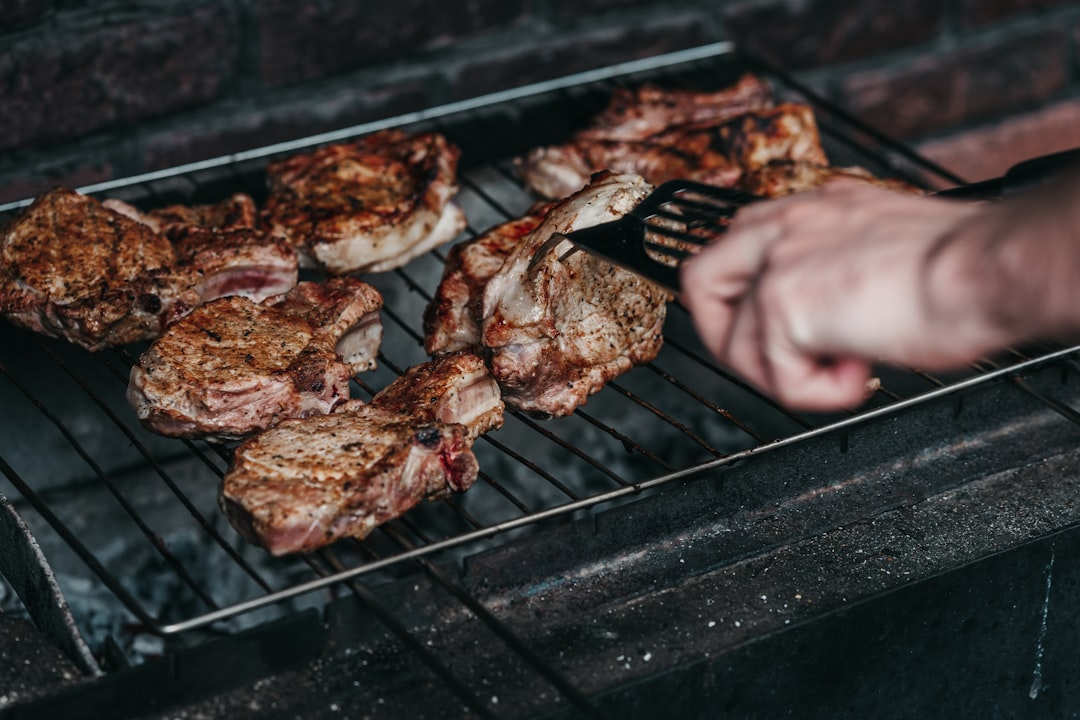
You’ve just cooked what looks like a perfect steak. Golden crust, beautiful sear, smells incredible. So you slice into it immediately and… disaster. Juices flood your cutting board, and that gorgeous meat turns disappointingly dry.
We’ve all been there. And the fix is embarrassingly simple: just wait.
Why Resting Meat Actually Works
Here’s what’s happening inside that steak while it cooks. Heat drives moisture toward the center of the meat. Picture it like a crowd of people all rushing toward the middle of a room. When you pull that steak off the heat, all those juices are concentrated in the core, under pressure.
Slice it now? Those juices have nowhere to go but out. Onto your plate - away from your mouth.
But give it time, and something cool happens. As the meat cools slightly, the muscle fibers relax. They stop squeezing so hard. The juices redistribute throughout the entire piece, moving back toward the edges. When you finally cut in, they stay put.
Food scientist Harold McGee tested this years ago. A steak cut immediately lost about 10 tablespoons of juice. The same steak rested for a few minutes? Only about 4 tablespoons. That’s a huge difference you can actually taste.
How Long Should You Rest Different Cuts?
This isn’t one-size-fits-all. A thin pork chop needs way less time than a massive prime rib.
Steaks and chops (1-inch thick or less): 5 minutes does the trick. Seriously, that’s it. Set a timer if you’re impatient like me.
Thicker steaks and small roasts: 10-15 minutes. A nice ribeye or a pork tenderloin falls here.
Large roasts (prime rib, whole chicken, turkey): 15-30 minutes minimum. A big turkey might need 45 minutes. I know that sounds like forever when everyone’s hungry, but trust me.
Brisket and large smoked meats: Some pitmasters rest these for hours. Wrapped in butcher paper, stuffed in a cooler. Four hours isn’t crazy for competition brisket.
The general rule? Rest for about 5 minutes per inch of thickness. But don’t stress about exact timing. A little longer never hurts.
The Temperature Thing Nobody Talks About
Here’s something that trips people up. Your meat keeps cooking after you take it off the heat. This is called carryover cooking, and ignoring it will overcook your steak every single time.
Residual heat from the exterior continues moving inward. A steak can rise 5-10 degrees during rest. A large roast - sometimes 10-15 degrees.
So if you want a medium-rare steak at 130°F, pull it at 120-125°F. Let carryover do the rest. This took me years to figure out, and I ruined a lot of expensive meat learning it.
The thicker the cut, the more carryover you’ll see. A thin flank steak might only rise 3 degrees. A standing rib roast could climb 15.
Won’t My Food Get Cold?
This is the most common objection I hear. And look, nobody wants cold steak.
But but. A properly rested steak isn’t cold. It’s warm. The surface cools, sure, but the interior stays plenty hot. You’ve got a big thermal mass there holding onto heat.
Still worried? A few tricks help:
**Tent loosely with foil - ** Emphasis on loosely. You want some heat retention without trapping steam that’ll make your crust soggy. Leave gaps at the edges.
**Rest in a warm spot. ** Near (not on) the stove. On top of the oven - anywhere ambient warmth can help.
**Warm your plates. ** A cold plate sucks heat out of meat fast. Throw your plates in a 200°F oven for a few minutes.
**Don’t rest too long - ** More isn’t always better. That 1-inch steak doesn’t need 20 minutes. Five is plenty.
For really large roasts, the interior temperature is so high that cooling isn’t a real concern. That prime rib will stay hot for ages.
Resting Mistakes That’ll Ruin Your Meat
**Wrapping too tightly. ** Aluminum foil pressed against the surface creates steam. Steam softens your beautiful crust. If you’re going to cover, tent loosely or don’t bother.
Cutting to “check if it’s done. “ Every slice releases juice. If you’re unsure about doneness, use a thermometer before resting, not during.
**Resting on a cold surface. ** Granite countertops, metal sheet pans straight from the cabinet-these act like heat sinks. Use a wooden cutting board or put a towel underneath.
**Skipping rest for thin cuts. ** Even a half-inch pork chop benefits from 2-3 minutes. It’s not just for thick steaks.
**Resting chicken with skin-side down. ** That crispy skin you worked for? It’ll get soggy sitting in its own juices. Always rest poultry skin-side up.
What About Resting Before Cooking?
Different topic, but worth mentioning since people confuse the two.
Letting meat sit at room temperature before cooking has its own benefits. Cold meat hits a hot pan and the surface overcooks before the center warms up. Tempering (fancy word for “letting it sit out”) helps it cook more evenly.
20-30 minutes for steaks. Up to an hour for roasts. Don’t go longer than that-food safety and all.
This is pre-cook resting. What we’ve been talking about is post-cook resting. Both matter, for different reasons.
The Quick Reference You Actually Need
| Cut | Pull Temp (for medium-rare) | Rest Time | Final Temp |
|---|---|---|---|
| Ribeye (1”) | 120°F | 5-7 min | 130°F |
| Filet (2”) | 118°F | 8-10 min | 130°F |
| Pork chop | 135°F | 5 min | 145°F |
| Chicken breast | 155°F | 5 min | 165°F |
| Whole chicken | 155°F | 15-20 min | 165°F |
| Prime rib | 115°F | 20-30 min | 130°F |
These numbers are starting points. Your stove, your meat thickness, your preferences-they all affect things. Pay attention to what works in your kitchen.
The Bottom Line
Resting meat isn’t some chef secret or unnecessary fussiness. It’s basic physics. Hot meat under pressure loses juice when cut. Cooled, relaxed meat keeps it.
Five minutes of patience can be the difference between “pretty good” and “incredible. " That’s a trade-off worth making.
Next time you’re tempted to slice into that steak the second it leaves the pan, walk away. Pour yourself a drink - finish the salad. Let science do its thing.
Your taste buds will notice the difference. Promise.