Pickle Revolution: Quick Pickling Fruits and Vegetables
You know that satisfying crunch when you bite into a pickle at a deli? That tangy punch that wakes up your whole sandwich? You can make that happen at home in about 30 minutes. No special equipment - no waiting weeks.
Quick pickling changed how I think about vegetables sitting in my fridge drawer. That half cucumber going soft - pickled. Those radishes I bought for one recipe? Pickled. The strawberries that are slightly past their prime? Believe it or not, also pickled.
What Makes Quick Pickling Different
Traditional pickling relies on fermentation. Bacteria do the work over days or weeks, creating that complex, funky flavor you get from a proper kosher dill. Quick pickling skips all that. You’re basically giving your produce a hot vinegar bath and calling it a day.
Is it technically “real” pickling - purists would say no. But but-it tastes fantastic and takes almost no effort.
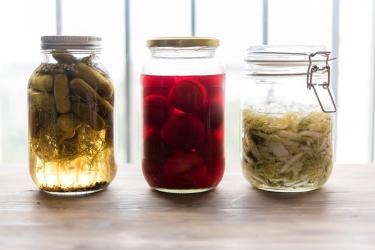
The basic formula works like this: equal parts water and vinegar, plus salt and sugar, heated until everything dissolves. Pour it hot over your vegetables or fruits. Wait at least 30 minutes - done.
That’s it - that’s the revolution.
The Master Ratio You’ll Actually Remember
Forget complicated recipes. This ratio handles 90% of quick pickling situations:
- 1 cup water
- 1 cup vinegar (white, apple cider, rice-your call)
- 1 tablespoon salt
- 1 tablespoon sugar
Bring it to a simmer, stir until the salt and sugar dissolve, and pour over whatever you’re pickling. The produce should be packed into a clean jar first, obviously.
Want it sweeter - add more sugar. Want more pucker? Cut back on the sugar entirely. I’ve made pickled jalapeños with zero sugar that could strip paint off walls. My kids won’t touch them - more for me.
Vegetables That Pickle Like Champions
Cucumbers are the obvious choice. Persian or Kirby cucumbers work best because they stay crunchy. Slice them into spears or coins-your preference.
Red onions might be even better than cucumbers, honestly. They turn this gorgeous magenta color and lose that raw bite that makes your eyes water. I keep a jar in my fridge constantly. They go on tacos, sandwiches, salads, grain bowls. Everything.
Carrots need to be sliced thin or they stay too hard. Matchsticks work great. Add some ginger and sesame to the brine for an Asian-inspired version.
Radishes transform completely. Raw radishes have that peppery sharpness. Pickled radishes mellow out into something almost sweet. Try them on fish tacos.
Jalapeños become those perfect taqueria-style pickled peppers. Slice them into rings, add a few garlic cloves and some dried oregano to the jar. Wait an hour minimum.
Here’s one most people don’t think about: fennel. Shaved thin on a mandoline, quick pickled fennel is incredible on sandwiches or alongside grilled fish. The anise flavor softens into something more subtle.
Pickling Fruit Sounds Weird Until You Try It
I was skeptical the first time someone suggested pickled strawberries. Fruit in vinegar - seemed wrong.
But pickled fruits hit differently. The acidity cuts through the sweetness, creating this complex flavor that works in ways you wouldn’t expect.
Strawberries pickled with black pepper and balsamic vinegar are unreal on vanilla ice cream. Use slightly underripe berries so they hold their shape.
Grapes pickled with rosemary and honey become the perfect cheese plate addition. Red grapes look prettier, but green work fine.
Watermelon rind-the white part you normally throw away-pickles beautifully. It’s like a cross between cucumber and apple. My grandmother made these every summer. I thought it was depression-era thriftiness until I tasted them as an adult and realized she was onto something.
Peaches or nectarines work well when they’re still firm. Too ripe and they turn to mush. Add some cinnamon and star anise to the brine. Serve them with pork chops or on top of burrata.
Blueberries pickled with thyme make a surprising addition to salads with goat cheese. They burst in your mouth with that sweet-sour combination.
Flavor Additions That Change Everything
The basic brine is just your canvas. What you add determines the painting.
Garlic goes in almost every savory pickle I make. Smash a few cloves and toss them in the jar before adding the brine.
Fresh dill is classic for a reason. A few sprigs transform ordinary cucumbers into something special. Dill seeds work too and won’t get slimy like fresh herbs sometimes do.
Whole spices are your friends. Mustard seeds, coriander seeds, peppercorns, bay leaves, red pepper flakes-mix and match based on what you’re pickling and how you plan to use it.
Fresh ginger and turmeric create pickles with a golden color and warm spice. Great for carrots or cauliflower.
Citrus zest adds brightness without more acidity. Lemon zest in pickled fennel is chef’s kiss.
The Mistakes I Made So You Don’t Have To
My first batch of quick pickles was terrible. Like, drain-down-the-sink terrible.
**I used table salt. ** It has anti-caking agents that make brine cloudy. Use kosher salt or sea salt instead.
**I packed the jar too loose. ** Vegetables should be snug. If they float above the brine, they won’t pickle evenly and might get funky (the bad kind of funky).
**I refrigerated immediately. ** Give the jar 30 minutes to an hour at room temperature before refrigerating. The heat from the brine helps soften the vegetables and jumpstart the pickling process.
**I used old spices. ** That dusty jar of coriander from 2019? It’s contributing nothing. Fresh spices make a noticeable difference.
One more thing: quick pickles aren’t shelf-stable. They haven’t been processed for safe long-term storage. Keep them refrigerated and use them within 2-3 weeks. Though honestly, they rarely last that long in my house.
Putting Your Pickles to Work
Making pickles is satisfying. Using them is where the real payoff happens.
Those pickled red onions? Pile them on pulled pork sandwiches. The acid cuts through the richness like nothing else.
Pickled jalapeños belong on nachos, obviously. But try them chopped into tuna salad too.
Quick pickled vegetables make meal prep lunches so much better. A grain bowl with roasted chicken, some greens, and a handful of pickled carrots and radishes feels like actual food, not sad desk lunch.
Pickled fruits pair brilliantly with cheese. A cheese board with pickled grapes and some crusty bread impresses people way more than the effort deserves.
And here’s a cocktail trick: pickled watermelon rind brine makes an incredible addition to a Bloody Mary. Or use pickled jalapeño brine in a spicy margarita.
Start Simple, Then Get Weird
Your first batch should probably be something basic. Cucumber spears with garlic and dill. Red onion with just the plain brine. Get a feel for the process before you start experimenting.
But once you’ve got it down? Go wild - pickled green tomatoes. Pickled ramps in spring - pickled cherries with star anise. Pickled turnips with beets for that bright pink Lebanese-style version.
The beauty of quick pickling is how low-stakes it is. Worst case, you waste a cup of vinegar and some vegetables that were probably going bad anyway. Best case, you discover a new obsession that transforms how you cook.
I started pickling to reduce food waste. Now I buy vegetables specifically to pickle them. The student has become the master, or whatever.
Grab a jar - heat some brine. See what happens.