Organ Meats for Beginners: Cooking Liver and Heart
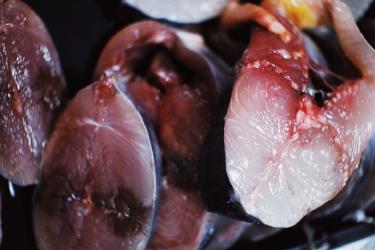
So you’ve walked past the organ meat section at your butcher counter a hundred times. Maybe you’ve glanced at those deep red slabs of liver or the muscular hearts sitting there, looking… intimidating - i get it. Organ meats have an image problem.
But but: your grandparents ate this stuff regularly. Cultures around the world still do. And there’s a reason beyond nostalgia or tradition.
Why Bother With Organ Meats Anyway?
Let’s talk nutrition for a second. Beef liver contains more vitamin A than almost any other food. We’re talking about 800% of your daily value in just 3 ounces. It’s packed with B12, iron, copper, and folate. Heart? It’s essentially a lean muscle loaded with CoQ10, an antioxidant your own heart needs to function properly.
And the price - oh, the price. While ribeye steaks hover around $15-20 per pound, beef liver typically runs $3-5. Chicken livers - often under $2. Heart sits somewhere in between. You’re getting more nutrients per dollar than almost any other protein source.
The catch? You need to know how to cook them. Because badly prepared liver tastes like pennies and regret. Done right, though - it can be genuinely delicious.
Starting With Liver: The Gateway Organ
Liver intimidates people the most, but it’s actually the best place to start. Chicken livers are milder than beef or pork, so if you’re nervous, begin there.
The Soaking Trick Nobody Tells You About
Before you cook any liver, soak it in milk for at least 30 minutes. An hour is better. This draws out some of the blood and mellows the mineral taste significantly. Skip this step and you’ll understand why so many people claim they hate liver.
Drain the liver, pat it completely dry with paper towels, and season with just salt and pepper. That’s it for your first attempt.
The Actual Cooking Part
Here’s where most people mess up: they overcook it. Liver goes from tender to rubbery in about 60 seconds. You want medium to medium-well at most. Still slightly pink inside is ideal.
Get a cast iron skillet smoking hot. Add a tablespoon of butter and a tablespoon of oil (the oil prevents the butter from burning). Lay your liver pieces in-they should sizzle aggressively. Don’t touch them for 2 minutes. Flip once - another 2 minutes. Done.
The exterior should be caramelized and crispy. The interior should be creamy, not chalky. If it’s gray all the way through, you’ve gone too far.
A Simple First Recipe: Liver and Onions
I know, I know. Liver and onions sounds like something from a 1950s diner. But caramelized onions genuinely complement liver’s richness.
Slice two large onions into half-moons. Cook them low and slow in butter for 25-30 minutes until they’re sweet and jammy. Set aside, then cook your soaked and dried liver as described above. Pile those onions on top. Add a splash of balsamic vinegar to the pan, scrape up the fond, and drizzle it over everything.
The sweetness of the onions balances the minerality of the liver. It works.
Heart: The Muscle That Doesn’t Taste Like Organs
Heart might actually be easier for beginners than liver because it doesn’t taste “organ-y” at all. It’s a working muscle, so the texture and flavor resemble a lean steak more than anything else. Just tougher if you cook it wrong.
Prepping Heart Properly
Beef heart is large-usually 3-4 pounds. You’ll need to trim it. Cut away the fat cap on top, slice the heart open, and remove any visible arteries, valves, and connective tissue. It looks dramatic but takes maybe 10 minutes.
What you’re left with is deep red meat that you can slice into steaks or cut into cubes for kebabs and stews.
Two Cooking Approaches
Heart needs either quick, hot cooking or long, slow braising. Anything in between makes it tough.
For grilling or pan-searing: Cut the heart into 1/2 inch steaks. Season aggressively-heart can handle bold flavors. Sear over high heat for 2-3 minutes per side. You want medium-rare to medium. Let it rest for 5 minutes before slicing against the grain.
For braising: Cube the heart into 1-inch pieces. Brown them hard in a Dutch oven. Add aromatics, stock, maybe some wine. Braise at 300°F for 2-3 hours until fork-tender. Heart makes incredible stew because it holds up to long cooking without falling apart.
Anticuchos: The Recipe That’ll Convert Skeptics
Peruvian anticuchos are beef heart skewers, and they’re legitimately one of the best street foods on the planet. The marinade does heavy lifting here.
Blend together: 1/4 cup red wine vinegar, 6 cloves garlic, 2 tablespoons cumin, 1 tablespoon smoked paprika, 1 teaspoon oregano, salt, pepper, and enough oil to make a paste. Cut your trimmed heart into 1-inch cubes and marinate for at least 4 hours. Overnight is better.
Thread onto skewers and grill over high heat, turning every couple minutes until charred outside but still pink inside. Maybe 8 minutes total.
Serve with a simple aji sauce (blend roasted yellow peppers with garlic, lime juice, and oil) and watch people eat beef heart without even realizing what they’re enjoying.
Common Mistakes and How to Avoid Them
**Buying old organ meats. ** Freshness matters more with organs than regular cuts. They should smell clean and metallic, not funky or ammonia-like. Buy from a butcher who turns over inventory quickly.
**Skipping the soak for liver - ** Seriously, don’t skip it. The difference is dramatic.
**Overcooking everything. ** When in doubt, pull it earlier than you think. You can always cook it more. You can’t uncook it.
**Using weak seasonings. ** Organ meats have strong flavors. They need equally strong companions. Garlic, onions, vinegar, bold spices-don’t be shy.
**Serving them unsauced. ** A good sauce or condiment helps bridge the gap for hesitant eaters. Chimichurri, caramelized onions, a quick pan sauce with wine and butter-something to add another dimension.
Where to Source Quality Organ Meats
Your regular grocery store probably has chicken livers, at least. For beef or lamb hearts and livers, you’ll likely need a real butcher or a farmer’s market vendor. Many farms actually struggle to sell organ meats, so if you buy directly from a small producer, they’re often thrilled to have a customer.
Asian and Latin grocery stores frequently stock a wider variety of organs than mainstream supermarkets. Worth checking.
And if you’re buying a whole or half animal from a local farm, always ask for the organs. They’re often thrown away or sold for pet food if no one claims them.
Building Up Your Tolerance
Nobody’s saying you need to eat liver three times a week. Start with heart if the idea of liver genuinely bothers you. Or try chicken livers before beef. Mix chopped liver into ground beef for burgers or meatballs-you’ll get nutritional benefits without the full-on organ experience.
The goal isn’t to become some extreme carnivore. It’s to reclaim a category of food that humans ate for thousands of years, that’s more nutritious. Affordable than what most of us eat now, and that honestly tastes good when you learn to prepare it properly.
Give liver or heart one honest try with proper technique. If you still hate them after that, fair enough. But at least you’ll know for sure instead of just assuming based on reputation.
Your grandmother would approve.