Mycelium Bacon: Mushroom-Based Meat Alternative Guide
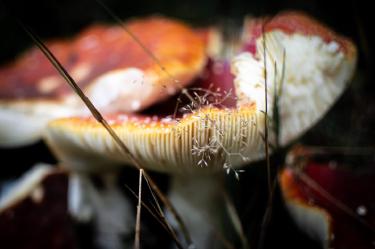
You’ve probably seen those crispy strips of plant-based bacon at the grocery store and wondered what they’re actually made of. Here’s something that might surprise you: some of the tastiest versions aren’t made from soy or peas. They’re grown from mycelium-the root-like network of mushrooms.
And honestly - it’s kind of wild.
What Exactly Is Mycelium Bacon?
Mycelium is the underground part of a mushroom. Think of it as the “roots” that spread beneath the forest floor, breaking down organic matter. Scientists figured out they could grow this stuff in controlled environments, shaping it into textures that mimic meat.
The result is a protein source that’s fibrous, chewy, and takes on flavors remarkably well. When you smoke it, season it with maple and black pepper, then crisp it up in a pan? You get something that scratches that bacon itch without any pigs involved.
Companies like Atlast Food Co. and MyForest Foods have been leading this charge. Their products aren’t trying to be identical to pork belly bacon. They’re doing their own thing-and doing it pretty well.
Why Mushroom Meat Is Having a Moment
Plant-based proteins have been around forever. Tofu dates back centuries. But mycelium-based products hit different for a few reasons.
**The texture is genuinely good. ** Most plant proteins struggle with mouthfeel. They’re either too mushy or weirdly rubbery. Mycelium naturally forms fibrous structures that feel more like actual muscle tissue. No heavy processing required.
**It grows fast. ** We’re talking days, not months. A pig takes about six months to raise for slaughter. Mycelium can be cultivated in under two weeks. That’s a massive difference when you’re thinking about feeding a lot of people.
**The environmental math works out. ** Growing mycelium uses roughly 99% less land and 98% less water compared to conventional bacon production. Those numbers come from lifecycle assessments, and even if you’re skeptical of precise figures, the general direction is clear.
There’s also the taste factor. Mushrooms already have that umami depth that makes food satisfying. When you concentrate that into a bacon-shaped strip and add smoke, you’re working with flavors that don’t need to be manufactured from scratch.
How to Cook With Mycelium Bacon
Here’s where things get practical - you’ve bought a pack-now what?
For crispy strips: Heat a pan over medium-high. Add a tiny bit of oil (some brands have enough fat already). Lay the strips flat and don’t touch them for 2-3 minutes. Flip once. The edges should get dark and slightly curled. Patience matters here.
In a BLT: This is the classic test. Layer your crispy mycelium bacon with ripe tomato, lettuce, and mayo on toasted bread. The smoky-savory notes work exactly how you’d expect.
Crumbled over salads or pasta: Chop it up, crisp the pieces in a dry pan, then scatter them wherever you need a salty crunch. Works great on baked potatoes too.
In carbonara-style dishes: Render the strips until crispy, use that flavored oil as your base, and toss with pasta, eggs, and cheese. It won’t taste identical to guanciale, but it holds its own.
One thing to watch: mycelium bacon can go from perfectly crispy to burnt faster than pork bacon. Keep your heat moderate and stay nearby.
The Nutrition Breakdown
Let’s talk numbers. A typical serving of mycelium bacon (about 40 grams) contains:
- Around 50-70 calories
- 2-4 grams of protein
- 2-5 grams of fat
- Often zero cholesterol
- Usually 300-400mg sodium
Compare that to regular pork bacon at roughly 180 calories, 12 grams of fat, and 30mg cholesterol per similar serving.
The sodium content stays comparable-bacon is bacon, and salt is what makes it taste like bacon. But you’re getting fewer calories and no saturated animal fat.
Some brands add B vitamins and iron to boost the nutritional profile. Check the label if that matters to you.
Does It Actually Taste Good?
Honest answer: it depends on what you’re expecting.
If you want something indistinguishable from Oscar Mayer, you’ll be disappointed. The fat doesn’t render the same way. The chew is slightly different. There’s a subtle earthiness that pork doesn’t have.
But if you approach it as its own thing? Many people genuinely prefer it - the smoke hits right. The crispiness satisfies. And you don’t get that greasy coating on the roof of your mouth afterward.
I’ve served it to committed meat-eaters who didn’t realize it wasn’t pork until I told them. Not everyone was fooled, but most admitted it was legitimately tasty.
The quality varies between brands - some are excellent. Others taste like smoky cardboard. Atlast’s MyBacon and Prime Roots’ bacon have gotten consistently good reviews. Worth seeking those out specifically.
Making Mycelium Bacon at Home
This one’s tricky. Growing mycelium requires sterile conditions, proper substrates, and patience. It’s not impossible-home mushroom cultivation is a whole hobby-but creating bacon-like strips adds complexity.
You’d need:
- A mycelium spawn (king oyster works well for meaty textures)
- A growing substrate (sawdust, straw, or agricultural waste)
- Controlled humidity and temperature
- Time for the mycelium to colonize and form dense mats
Most home cooks find it easier to make mushroom bacon from actual mushrooms instead. Slice king oysters lengthwise into thin strips, marinate in soy sauce, liquid smoke, maple syrup, and a pinch of smoked paprika. Bake at 375°F until crispy, about 20-25 minutes, flipping halfway.
It’s not technically mycelium bacon, but the flavor profile is similar and the process takes 30 minutes instead of weeks.
Where to Find It
Availability is still spotty depending on where you live. Whole Foods carries several brands in most locations. Some conventional grocery stores are starting to stock them in the plant-based section.
Online ordering works if local options are limited. The shelf life is decent, and many products ship frozen.
Restaurants have been slower to adopt mycelium proteins, but that’s changing. A few spots in major cities feature mushroom-based meats on their menus. Worth asking if you’re curious but not ready to commit to a whole package.
The Bigger Picture
Look, nobody’s claiming mycelium bacon will replace pork overnight. Bacon is cultural - it’s emotional. People have strong opinions.
But the technology keeps improving. Five years ago, plant-based bacon options were pretty grim. Now we’ve got products that genuinely compete on flavor. That trajectory matters.
For people reducing meat intake-whether for health, environmental, or ethical reasons-mycelium offers something that earlier alternatives couldn’t. Real texture - familiar cooking methods. Flavors that don’t need heavy masking.
And if you’re just curious? Grab a pack next time you’re at the store. Cook it up on a lazy Sunday morning. See what you think.
Worst case, you’ve tried something new. Best case, you’ve found a breakfast staple that fits better with how you want to eat.