Mood Food Ingredients That Stabilize Mental Clarity
You know that 3 PM brain fog? The one where your thoughts feel like they’re swimming through pudding? Turns out, what you ate for lunch might be the culprit.
Your brain’s basically a chemistry lab, and the ingredients you feed it determine whether you’re operating at full capacity or running on fumes. We’re not talking about some vague “eat better, feel better” advice here. Specific nutrients directly impact neurotransmitter production, blood sugar stability, and inflammation levels in your brain.
Magnesium: Your Brain’s Chill Pill
Here’s something wild: about 50% of Americans don’t get enough magnesium. And this mineral? It’s involved in over 300 biochemical reactions in your body, including the ones that keep your brain calm and focused.
Magnesium regulates your stress response by controlling cortisol levels. When you’re deficient, your brain’s basically stuck in fight-or-flight mode. Not ideal when you’re trying to concentrate on a spreadsheet.
Best sources? Dark leafy greens top the list-spinach, Swiss chard, kale. But but: you need fat to absorb magnesium properly. That’s why sautéing your greens in olive oil or tossing them with avocado actually makes nutritional sense, not just taste sense.
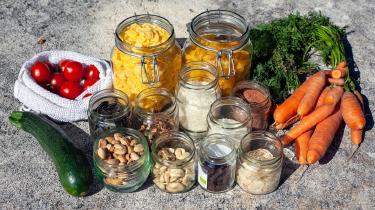
Pumpkin seeds pack 150mg of magnesium per ounce. Throw them on salads, blend them into pesto, or just eat them by the handful. Black beans, almonds, and dark chocolate (70% cacao or higher) are solid options too.
One of my go-to meals when I need mental clarity: black bean and sweet potato tacos with pepitas, avocado, and a massive pile of cilantro. Tastes great, and my brain actually works for the afternoon.
Omega-3s: Building Better Brain Cells
Your brain is 60% fat. Let that sink in for a second.
The type of fat matters enormously. Omega-3 fatty acids-specifically DHA and EPA-make up the cell membranes in your brain. When you’re low on omega-3s, your brain literally can’t build healthy cells. This shows up as brain fog, poor memory, and mood swings.
Fatty fish like salmon, mackerel, and sardines are the gold standard. Wild-caught salmon has about 2,000mg of omega-3s per 3-ounce serving. That’s significant.
But what if you don’t eat fish? Flaxseeds, chia seeds, and walnuts contain ALA, which your body converts to DHA and EPA. The conversion rate’s pretty low (maybe 5-10%), so you need more of them. I add ground flaxseed to my morning smoothie-two tablespoons gets you about 3,200mg of ALA.
Algae-based omega-3 supplements work if you’re vegan. They’re what fish eat to get their omega-3s anyway, so you’re just cutting out the middleman.
Amino Acids: The Neurotransmitter Building Blocks
Ever notice how some foods make you sleepy while others sharpen your focus? That’s amino acids at work.
Tryptophan converts to serotonin, your brain’s “feel good” chemical. Turkey gets all the credit for this, but you’ll find even more tryptophan in pumpkin seeds, chicken, and eggs. The catch? Tryptophan needs carbohydrates to cross the blood-brain barrier efficiently. This is why turkey with mashed potatoes makes you sleepy, but a plain turkey breast might not.
Tyrosine, on the other hand, produces dopamine and norepinephrine-your motivation and alertness chemicals. High-protein foods like chicken, fish, eggs, and dairy are packed with it. Almonds and avocados have decent amounts too.
When I need laser focus, I go for Greek yogurt with almonds and a drizzle of honey. The tyrosine from the yogurt boosts dopamine production, while the small amount of sugar helps tryptophan do its thing without tipping me into nap territory.
B Vitamins: Energy Production Central
B vitamins don’t give you energy directly-they help your cells convert food into ATP, which is actual cellular energy. Without adequate B vitamins, your brain’s running on a weak battery.
B6, B9 (folate), and B12 are particularly important for mental clarity. They regulate homocysteine levels in your blood. High homocysteine is linked to cognitive decline and depression. Not great.
You’ll find B vitamins in:
- Eggs (especially the yolks-don’t make sad egg white omelets)
- Leafy greens
- Legumes
- Whole grains
- Nutritional yeast (vegans, this is your friend)
- Grass-fed beef and organ meats
B12 is tricky if you’re plant-based because it’s almost exclusively found in animal products. Fortified foods help, but supplementation is usually necessary.
I learned this the hard way after going vegetarian for a year. Started forgetting words mid-sentence, felt exhausted constantly. Got my B12 tested-it was in the tank. Two weeks of supplements and I felt human again.
Antioxidant-Rich Foods: Protecting Your Brain
Oxidative stress is basically rust for your brain. Free radicals damage cells, and your brain-with its high metabolic rate and fat content-is particularly vulnerable.
Antioxidants neutralize free radicals. The brighter and more colorful your food, generally the more antioxidants it contains.
Blueberries are the poster child here, and research backs it up. Studies show regular blueberry consumption improves memory and cognitive function. Strawberries, blackberries, and raspberries work too.
Dark chocolate (again with the 70%+ cacao) contains flavonoids that increase blood flow to the brain. Green tea has L-theanine, which promotes calm alertness-that focused-but-not-jittery state.
Turmeric deserves special mention. The curcumin in it crosses the blood-brain barrier and has powerful anti-inflammatory effects. The problem? Your body doesn’t absorb curcumin well unless you pair it with black pepper. One piperine in pepper increases absorption by 2,000%. Not a typo.
Golden milk (turmeric latte with black pepper and a fat source like coconut milk) is more than Instagram-worthy. It actually works.
Putting It All Together
You don’t need to overhaul your entire diet overnight. Small, consistent changes compound.
Start your day with eggs and spinach. Snack on nuts and berries. Add fatty fish to your dinner rotation twice a week. Cook with turmeric and black pepper. Swap your afternoon cookie for dark chocolate.
Your brain will notice. That mental clarity you’ve been chasing? It might be hiding in your kitchen.
One last thing: hydration matters more than people realize. Even mild dehydration impairs cognitive function. Water’s boring, but it works. Aim for half your body weight in ounces daily.
The connection between what you eat and how you think isn’t mysterious or complicated. Feed your brain the building blocks it needs, and it’ll return the favor with better focus, stable moods, and actual mental energy that lasts past noon.