Koji-Based Condiments: Ancient Fermentation Technique
You’ve probably tasted koji without even realizing it. Every time you splash soy sauce on your rice, drizzle miso into soup, or crack open a cold sake, you’re enjoying the work of this remarkable mold. Koji has been shaping Asian cuisines for thousands of years, and now it’s making serious waves in Western kitchens.
But what exactly is koji? And why should you care about making your own koji-based condiments at home?
What Makes Koji So Special
Koji is Aspergillus oryzae, a fuzzy white mold that looks like something you’d normally throw away. Don’t let appearances fool you. This microscopic powerhouse produces enzymes that break down proteins and starches into amino acids and sugars. The result? Deep, complex umami flavors that no other ingredient can replicate.
The Japanese have been cultivating koji for at least 2,000 years. Some koji starter lineages have been maintained by the same families for centuries. Think about that for a second. We’re talking about living cultures passed down through dozens of generations.
What makes koji different from other fermentation agents is its versatility. Yeast makes alcohol - lactobacillus makes things sour. Koji? It transforms the fundamental building blocks of food. It turns bland rice into sweet amazake. The result converts soybeans into rich, savory miso. That creates flavors that didn’t exist in the original ingredients.
Getting Started: Shio Koji (Salt Koji)
If you’re new to koji fermentation, shio koji is your gateway drug. It’s simple to make, hard to mess up, and incredibly useful in the kitchen.
Here’s what you need:
- 200g rice koji (at Asian grocery stores or online)
- 60g sea salt
- 300ml water
Mix everything in a clean jar. Stir it once daily for about a week at room temperature. You’ll notice the mixture becoming porridge-like and developing a sweet, slightly funky aroma. That’s the enzymes doing their thing.
The finished shio koji keeps for months in the fridge. Use it as a marinade for proteins-it tenderizes meat while adding subtle sweetness and depth. Rub it on chicken thighs before roasting. Marinate pork chops for 30 minutes. Brush it on vegetables before grilling.
One tablespoon of shio koji contains roughly the same salt as half a teaspoon of regular salt, but with way more flavor complexity. Your taste buds will notice the difference immediately.
Shoyu Koji: Soy Sauce’s Cooler Cousin
Once you’ve mastered shio koji, shoyu koji is the logical next step. Same basic technique, different liquid.
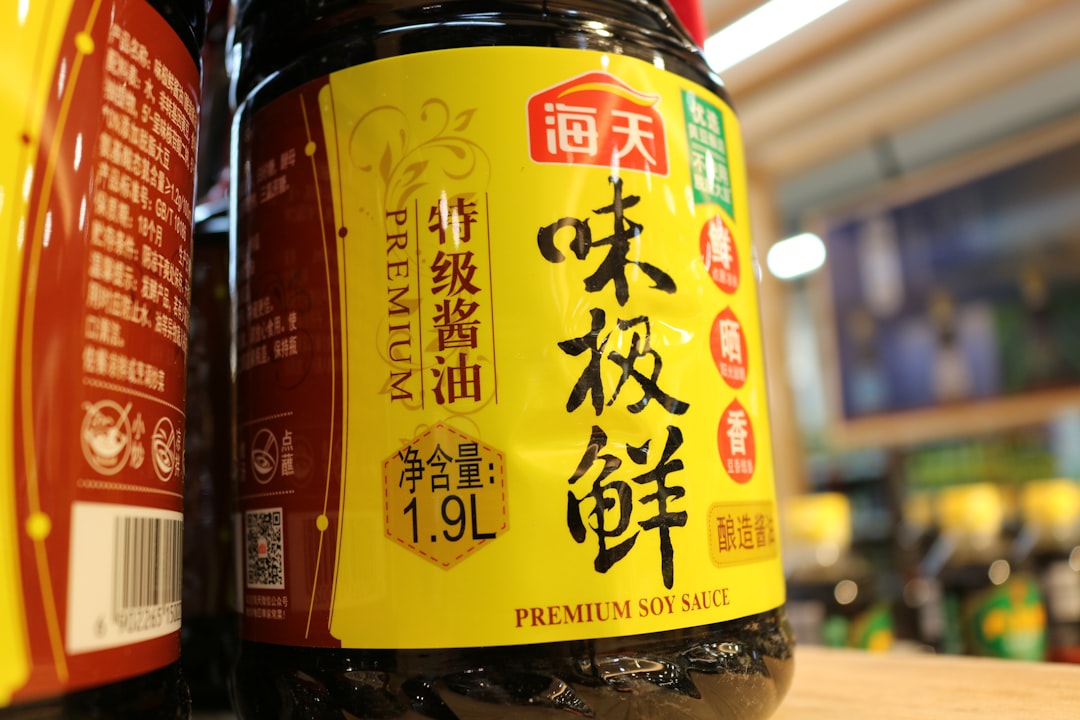
Combine equal parts rice koji and soy sauce by weight. Let it ferment at room temperature for one to two weeks, stirring daily. The koji breaks down and thickens the mixture into something resembling a chunky paste.
Shoyu koji is essentially concentrated umami in a jar. It’s got the saltiness of soy sauce plus the enzymatic magic of koji working together. Use it anywhere you’d use soy sauce, but expect bigger, rounder flavors.
Try it in stir-fries, marinades, or salad dressings. A spoonful stirred into butter creates an instant compound butter that’ll transform a simple steak. Some people blend it smooth; others prefer the textured version. Both work.
Making Your Own Miso (Yes, Really)
Miso seems intimidating, but but: people have been making it at home for centuries without thermometers, pH meters, or food science degrees. You can too.
The basic formula is simple - cooked soybeans, salt, and koji. The ratios and fermentation times determine whether you end up with sweet, mild white miso or deep, funky red miso.
For a beginner-friendly white miso:
- 500g dried soybeans (soaked overnight and cooked until soft)
- 500g rice koji
- 130g sea salt
Mash the cooked soybeans-a potato masher works fine, though some people use food processors for smoother results. Mix in the koji and salt thoroughly. Pack the mixture tightly into a fermentation vessel, pressing out air pockets. Weight the top with something heavy.
White miso ferments in about three months at room temperature. Red miso needs a year or longer. Patience matters here.
The fermentation vessel matters less than you’d think. Traditional ceramic crocks work great - so do food-grade plastic containers. Even large mason jars can work for small batches. Just make sure everything is clean.
Troubleshooting Common Issues
Mold on top of your miso? Don’t panic. Scrape off the affected layer and keep going. Some surface mold is normal and doesn’t ruin the entire batch. The salt content prevents harmful bacteria from growing.
Your shio koji smells like alcohol? It’s probably fermenting too warm or you’ve got wild yeast competing with the koji. Move it somewhere cooler. The alcoholic notes usually mellow out.
Koji not growing on rice when making it from scratch? Temperature control is critical-it needs to stay between 28-32°C (82-90°F). Too cold and nothing happens. Too hot and you kill the spores. Most home attempts fail because of temperature fluctuations.
Honestly? For most home cooks, buying pre-made rice koji makes more sense than growing it yourself. The cultivation process requires consistent temperature control for 48+ hours. Save koji cultivation for after you’ve made a few successful batches of condiments.
Creative Applications Beyond Tradition
Chefs are pushing koji into unexpected territory. Koji-aged steaks develop an almost dry-aged quality in days rather than weeks. Koji butter adds depth to everything from toast to pasta. Some fermenters are experimenting with koji on unconventional substrates-barley, corn, even bread.
One of my favorite discoveries: koji vinegar. Combine leftover koji with unpasteurized apple cider vinegar and let it sit for a month. The resulting vinegar has a richness that commercial varieties can’t touch.
Another experiment worth trying: amino paste. It’s essentially miso made with just koji and salt, no soybeans. The result is pure koji flavor-sweet, savory, and incredibly versatile. Use it as a seasoning base or thin it with water for a quick sauce.
Tips for Sourcing and Storage
Fresh rice koji beats dried koji every time, but it’s harder to find. Check Japanese grocery stores or order online from specialty suppliers. Cold Mountain and Rhapsody are reliable brands available in many areas.
Dried koji works fine for most applications. Rehydrate it slightly before use-just sprinkle with water and let it sit for 30 minutes. Store dried koji in the freezer for maximum shelf life; it’ll keep for over a year.
Once you’ve made koji-based condiments, refrigeration slows fermentation dramatically. Shio koji, shoyu koji, and finished miso all keep for six months or longer in the fridge. The flavors continue developing slowly, so your year-old miso will taste different from your three-month-old batch. Neither is wrong-just different.
Why Bother When You Can Buy It?
Fair question. Commercial miso and soy sauce are readily available and often quite good. So why make your own?
Control, mostly - you decide the salt level. You choose organic soybeans or heritage grains. You adjust fermentation times to suit your taste preferences. Commercial products improve for consistency and shelf stability. Home fermenters improve for flavor.
There’s also something satisfying about the process itself. Watching koji transform basic ingredients into something complex and delicious connects you to centuries of culinary tradition. It’s slow food in the truest sense.
And the flavors really are different. Homemade miso has a vitality that pasteurized commercial products lack. The living enzymes continue working, evolving, improving. Each batch reflects its specific conditions-the ambient temperature, the koji strain, even the water you used.
Start with shio koji this weekend. It takes five minutes to set up and requires almost no attention. In a week, you’ll have a condiment that’ll change how you think about seasoning food. From there, who knows? Maybe you’ll end up with a miso crock aging quietly in your basement, developing flavors that won’t peak for another year.
That’s the beautiful thing about koji fermentation. It rewards patience. And in a world of instant everything, there’s something radical about food that asks you to wait.