Keralan Cuisine Basics: Coconut Curry Leaves and Seafood
If you’ve ever wondered why Kerala’s food tastes like nothing else in India, the answer floats in every pot and sizzles in every pan: coconut, curry leaves, and the freshest seafood you can imagine.
I remember my first proper Keralan fish curry. It was in a tiny restaurant in Kochi where the owner’s mother still did all the cooking. The sauce was thin-nothing like the thick gravies I’d expected-but packed with this sour, coconut-rich punch that made me order seconds. And thirds. That’s the thing about Keralan cuisine. It sneaks up on you.
The Holy Trinity: Coconut, Curry Leaves, and Asafoetida
Three ingredients show up in almost every Keralan dish worth eating. Understanding them is half the battle.
Coconut appears in more forms than you’d think possible. Fresh grated coconut goes into chutneys and thorans (dry vegetable stir-fries). Coconut milk-thick and thin extractions-forms the base of curries. Coconut oil handles all the frying and tempering. Even the vinegar used in some dishes comes from coconut toddy.
You can’t fake this. Vegetable oil won’t give you that distinct flavor. And please, skip the desiccated coconut from a packet if you’re going for authenticity. Fresh or frozen grated coconut makes an enormous difference.
Curry leaves are the unsung heroes. Those little leaves you might pick out of restaurant dishes? In Kerala, they’re meant to be eaten. When fried in hot oil until crisp, they add an earthy, almost nutty flavor that’s impossible to replicate. Dried curry leaves don’t come close-fresh or nothing.
Asafoetida (hing) brings a funky, garlicky depth. A tiny pinch goes a long way. Too much and your kitchen smells like a chemistry experiment. Just right, and it rounds out the spices beautifully. This ingredient is especially important in many vegetarian Keralan dishes where it adds that savory complexity.
Why Keralan Seafood Hits Different
Kerala sits on India’s southwestern coast, stretching 580 kilometers along the Arabian Sea. Fishing is more than an industry here-it’s been the backbone of coastal communities for centuries.
The fish markets open before dawn. Prawns the size of your thumb, seer fish (called neymeen locally), pearl spot (karimeen), sardines by the bucketful, and squid still glistening with seawater. By 7 AM, the best stuff is gone.
What makes Keralan seafood preparation stand out?
First, the sourness. Unlike many Indian cuisines that rely on tomatoes for tang, Kerala uses kokum, raw mangoes, tamarind, and a souring agent called kodampuli (fish tamarind or Malabar tamarind). Kodampuli gives fish curries that distinctive dark color and sharp, fruity acidity.
Second, the restraint. Keralan cooks don’t drown fish in heavy masalas. They use enough spice to complement the seafood, not overwhelm it. The fish flavor should lead.
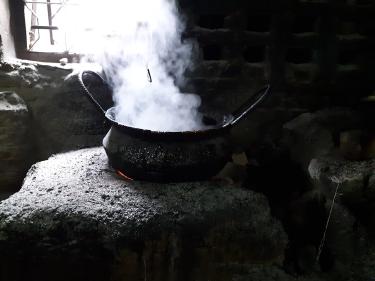
Third, the cooking vessel. Traditional fish curries are simmered in a manchatti-an earthen pot that distributes heat gently and adds a subtle mineral quality. A clay pot is more than for aesthetics. The difference is real.
A Simple Fish Curry You Can Actually Make
Here’s a basic meen curry (fish curry) that doesn’t require hunting down obscure ingredients.
You’ll need:
- 500g firm white fish (kingfish, pomfret, or even cod works)
- 1 cup thin coconut milk and 1/2 cup thick coconut milk
- 1 small onion, sliced thin
- 2 green chilies, slit lengthwise
- 1 marble-sized ball of kodampuli (or 1 tbsp tamarind paste as substitute)
- 1/2 tsp turmeric
- 1 tsp Kashmiri chili powder
- 1/4 tsp fenugreek seeds
- A sprig of curry leaves
- 2 tbsp coconut oil
- Salt to taste
Soak the kodampuli in warm water for 15 minutes.
Rub the fish pieces with turmeric and a little salt. Set aside for 10 minutes.
Heat coconut oil in a clay pot or heavy-bottomed pan. Add fenugreek seeds-just a few seconds until fragrant. Add onions and green chilies. Cook until onions soften but don’t brown.
Add chili powder, remaining turmeric, and the soaked kodampuli with its water. Pour in the thin coconut milk. Bring to a gentle simmer.
Slip the fish pieces in. Don’t stir-swirl the pot gently instead. Fish breaks easily. Simmer for about 8 minutes until the fish is cooked through.
Add the thick coconut milk. Heat through but don’t boil or it might split. Throw in the curry leaves.
Turn off the heat. Let it rest for an hour if you can stand it. Keralan fish curries taste better once the flavors meld.
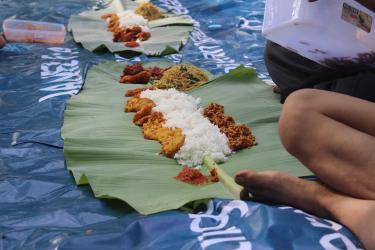
Serve with plain rice - nothing fancy needed.
Beyond Fish: Prawns and Squid
Prawns get a slightly different treatment. Chemmeen curry (prawn curry) often includes shallots instead of regular onions, giving it a sweeter base. The cooking time drops dramatically-overcooked prawns turn rubbery fast.
For a quick prawn stir-fry (chemmeen ularthiyathu), toss prawns with turmeric and chili powder, then stir-fry in coconut oil with curry leaves, sliced shallots, and freshly ground pepper. Three minutes, done. The prawns should be pink and curled but still juicy.
Squid (koonthal) takes well to similar preparations. Cut into rings, marinated briefly with turmeric and salt, then quickly fried or simmered in a coconut gravy. The trick is going hot and fast or low and slow-anything in between makes squid chewy.
The Tempering Makes It
One technique you’ll see constantly: the final tempering. Heat coconut oil until shimmering, add mustard seeds (they’ll pop and splutter), throw in dried red chilies broken in half, curry leaves, and sometimes thinly sliced shallots. Pour this sizzling mixture over the finished dish.
That final hit of hot oil blooms the aromatics and adds texture. It’s the difference between a good curry and one that makes you close your eyes while eating.
Don’t skip this step. I know it seems fussy-one more pan to wash. But that tempering transforms the dish.
Quick Tips From Mistakes I’ve Made
- Never add thick coconut milk early. It will separate and look curdled. - Kodampuli should be soft but not mushy when you add it. Soak it properly. - Fresh curry leaves are non-negotiable. They’re available in Indian grocery stores and freeze well. - Start with less chili powder than you think. You can always add heat at the end. - A pinch of asafoetida bloomed in hot oil goes into many dishes, but add it after mustard seeds-it burns quickly.
Getting Started Without Overwhelm
You don’t need twenty new ingredients to start cooking Keralan food. Get coconut oil, curry leaves, mustard seeds, and kodampuli. That combination covers most seafood preparations.
Start with the fish curry above. Make it three times until you get comfortable with the technique. Then branch out.
The flavors of Kerala come from simplicity done right-good ingredients, proper technique, and patience to let dishes rest before serving. Nothing complicated about that. Just attention and a willingness to taste as you go.
Your kitchen might smell like coconut and curry leaves for days afterward. Trust me, you won’t mind.