Jerusalem Artichoke Recipes: Cooking Forgotten Root Vegetables
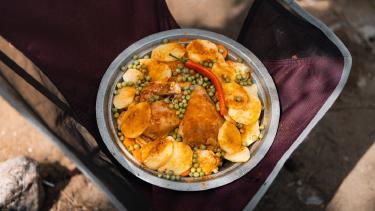
Have you ever walked past those knobby, ginger-looking things at the farmers market and wondered what on earth they were? That’s the Jerusalem artichoke. And despite its name, it has nothing to do with Jerusalem or artichokes.
These quirky root vegetables-also called sunchokes-were a staple food for Indigenous peoples in North America long before Europeans showed up. Then they fell out of fashion. For decades, really. But they’re making a quiet comeback, and honestly? They deserve it.
What Exactly Is a Jerusalem Artichoke?
Let’s clear up the confusion first. Jerusalem artichokes are the tuberous roots of a sunflower species. Yes, sunflower. The plants grow tall with yellow flowers, and underground they produce these bumpy, potato-like tubers.
The taste? Think of a cross between an artichoke heart and a water chestnut. Slightly sweet, nutty, with a crisp texture when raw. Cook them and they turn creamy, almost like a buttery potato but with more character.
One thing you should know: they contain inulin instead of starch. That’s a prebiotic fiber your gut bacteria love. It also means they can cause, um, digestive enthusiasm if you eat too many at once. Start small - your stomach will thank you.
Picking and Storing Your Sunchokes
Look for firm tubers without soft spots or wrinkles. Smaller ones tend to be less knobby and easier to prep. The skin is completely edible-just scrub them well with a brush under running water.
Fresh sunchokes keep about two weeks in the refrigerator. Store them unwashed in a paper bag in the crisper drawer. Don’t leave them on the counter. They’ll shrivel up fast.
Peeling is optional and kind of a pain given all those bumps and crevices. I usually skip it unless I’m making a smooth soup. The skin adds earthiness and nutrients anyway.
Simple Roasted Jerusalem Artichokes
Roasting might be the best way to experience sunchokes for the first time. The high heat caramelizes their natural sugars and creates crispy edges with soft, creamy centers.
Here’s what you do:
Cut about a pound of scrubbed sunchokes into 1-inch chunks. Toss them with two tablespoons of olive oil, a few crushed garlic cloves, and some fresh thyme sprigs. Season generously with salt and pepper.
Spread everything on a sheet pan in a single layer. Roast at 425°F for 35-40 minutes, flipping halfway through. You want them golden brown and tender when pierced with a fork.
They’re incredible as a side dish. But I’ve also thrown them into grain bowls, tossed them with pasta, or just eaten them straight off the pan while standing in my kitchen.
Creamy Sunchoke Soup
This soup is pure comfort. Silky, warming, and surprisingly elegant for something so easy to make.
Sauté a diced onion and two minced garlic cloves in butter until soft. Add a pound of sliced sunchokes and stir for a few minutes. Pour in four cups of vegetable or chicken stock.
Simmer until the sunchokes are completely tender, about 25 minutes. Blend until smooth-an immersion blender works great here. Stir in half a cup of cream and season to taste.
I like topping this with crispy fried sage leaves and a drizzle of good olive oil. Toasted hazelnuts work beautifully too. The soup keeps well for a few days and actually tastes better the next day.
Raw Sunchoke Salad
Not everything needs cooking. Raw Jerusalem artichokes have this amazing crunch that’s totally different from their cooked personality.
Slice them paper-thin using a mandoline or a very sharp knife. Toss with arugula, shaved parmesan, lemon juice, and olive oil. Maybe some toasted walnuts. A little honey in the dressing balances any bitterness from the greens.
The key is slicing them thin enough. Thick chunks are too dense and starchy to enjoy raw. But those delicate slices - they’re almost chip-like.
Sunchoke Chips
Speaking of chips-yes, you can make actual chips from these things.
Slice the sunchokes as thin as humanly possible. Pat them completely dry with paper towels. This step matters. Moisture is the enemy of crispiness.
Deep fry in batches at 350°F until golden, about 3-4 minutes. Or bake them at 375°F for 15-20 minutes, flipping once. The baked version won’t be quite as crispy but still satisfies that crunchy craving.
Sprinkle with flaky salt immediately. Maybe some smoked paprika or dried rosemary. They’re addictive - fair warning.
Sautéed Sunchokes with Brown Butter
Brown butter makes everything better. That’s not an opinion, that’s a fact.
Slice your sunchokes about quarter-inch thick. Melt four tablespoons of butter in a skillet over medium heat. Keep cooking until the butter turns golden and smells nutty, watching carefully so it doesn’t burn.
Add the sunchoke slices in a single layer. Cook for about 4 minutes per side until golden and tender. Finish with a squeeze of lemon, some fresh parsley, and a pinch of flaky salt.
This works as a side for fish or chicken. Or pile it on toast with a fried egg for breakfast. No wrong answers here.
Tips for Cooking Success
A few things I’ve learned from cooking these roots over the years:
They oxidize quickly once cut. If you’re prepping ahead, drop the pieces into water with a splash of lemon juice. Like apples, they’ll turn brownish otherwise. It’s harmless but not pretty.
Don’t overcrowd the pan when roasting or sautéing. They’ll steam instead of getting that beautiful caramelization. Better to work in batches.
Pair them with strong flavors. Sunchokes can handle garlic, rosemary, sage, thyme, bacon, cheese, cream. They’re team players that don’t get overwhelmed easily.
And start with smaller portions when you’re new to them. That inulin fiber thing I mentioned earlier? It’s real. Give your digestive system time to adjust.
Where to Find Jerusalem Artichokes
Farmers markets are your best bet, especially in fall and early winter when they’re in season. Some grocery stores stock them, usually near the specialty produce. Whole Foods often has them. Asian markets sometimes carry them too.
Or grow your own - they’re practically impossible to kill. Plant a few tubers in spring and you’ll have more than you know what to do with by autumn. Actually, you might have too many. They spread aggressively.
Rediscovering What We Forgot
There’s something satisfying about cooking with ingredients that have fallen out of mainstream consciousness. Jerusalem artichokes aren’t exotic or expensive. They’ve just been overlooked.
Our great-grandparents probably ate them regularly. Then convenience foods happened. Grocery stores streamlined their produce sections. And vegetables that didn’t ship well or look perfect got pushed aside.
But those forgotten roots often have the most interesting flavors. They connect us to food history. And frankly, they’re more fun to cook with than another bag of baby carrots.
So next time you spot those weird knobby things at the market, grab a pound. Roast them, blend them into soup, shave them raw into salad. You might just discover your new favorite vegetable hiding in plain sight.