High Fiber Recipes That Make Fibermaxxing Actually Delicious

So you’ve heard about fibermaxxing. Maybe you stumbled across it on TikTok, or your doctor gently suggested you eat more fiber after your last checkup. Either way, you’re here because you want to boost your fiber intake without feeling like you’re chewing through cardboard three meals a day.
Good news: high fiber eating doesn’t have to taste like punishment.
I spent years thinking “fiber-rich” was code for “bland and depressing. " Turns out I was just cooking it wrong. The secret isn’t suffering through bowls of dry bran cereal-it’s learning to make legumes, whole grains, and vegetables taste so good you actually crave them.
Why Bother With All This Fiber Anyway?
Before we get to the recipes, let’s talk about why fiber deserves a spot on your plate. Your gut bacteria literally feast on fiber. They break it down and produce short-chain fatty acids that keep your digestive system happy, support your immune function, and might even affect your mood.
Most adults need somewhere between 25-38 grams of fiber daily. The average American gets about 15. That’s a pretty significant gap.
But here’s what nobody tells you: jumping from 15 to 38 grams overnight will make you miserable. Bloating, gas, the works - you’ve gotta ease into this. Add maybe 5 grams per week, drink plenty of water, and give your gut time to adjust.
The Legume Recipes That Changed Everything
Legumes are fiber powerhouses. One cup of cooked lentils packs around 16 grams of fiber. Black beans - about 15 grams. Chickpeas hover around 12 grams. These aren’t side dishes-they’re the foundation of satisfying meals.
Crispy Smashed Chickpeas
This one converted my fiber-skeptic husband. Drain a can of chickpeas and pat them completely dry-this step matters. Spread them on a baking sheet and use a fork to gently smash each one. Drizzle with olive oil, sprinkle with smoked paprika, garlic powder, and salt.
Roast at 425°F for about 25 minutes until they’re golden and crispy around the edges. They get this incredible texture-crunchy outside, creamy inside. Toss them on salads, grain bowls, or just eat them straight off the pan. I won’t judge.
Coconut Red Lentil Soup
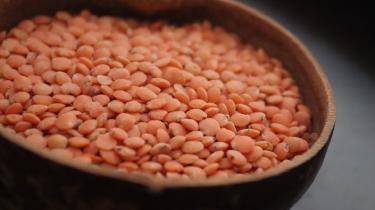
Red lentils cook faster than other varieties, breaking down into a creamy consistency without any blending required. Sauté diced onion, garlic, and fresh ginger in a pot. Add a tablespoon of curry powder and let it bloom in the oil for thirty seconds.
Pour in one cup of red lentils, a can of coconut milk, and three cups of vegetable broth. Simmer for about 20 minutes. Finish with lime juice and fresh cilantro. Each serving delivers around 12 grams of fiber, and it tastes like something you’d order at a restaurant.
Black Bean Taco Filling
Forget the seasoning packets. Sauté onion and jalapeño until soft. Add two cans of drained black beans, half a cup of salsa, and a teaspoon each of cumin, chili powder, and oregano. Mash about half the beans with the back of your spoon and let everything simmer until thick.
The texture hits different than ground meat-heartier, more substantial. Pile it into corn tortillas with quick-pickled onions and crumbled cotija. You won’t miss the meat, promise.
Whole Grains That Don’t Taste Like Health Food
Whole grains sometimes get a bad reputation. Brown rice can be mushy if you cook it wrong. Quinoa tastes bitter if you skip rinsing. But treated right? These grains become the best part of the meal.
Farro With Roasted Vegetables
Farro has this nutty, chewy quality that holds up to bold flavors. Cook it like pasta-boil in salted water until tender, about 30 minutes, then drain. Meanwhile, roast whatever vegetables you have: butternut squash, brussels sprouts, red onion.
Toss the warm farro with the roasted vegetables, a handful of arugula, crumbled feta, and a simple lemon-olive oil dressing. One cup of cooked farro gives you about 5 grams of fiber, plus the vegetables add several more.
Overnight Oats Done Right
Most overnight oats recipes produce a gluey, sad mess. Here’s how to fix that: use a 1:1 ratio of oats to liquid instead of drowning them. Mix half a cup of rolled oats with half a cup of milk (any kind works), a tablespoon of chia seeds, and a splash of maple syrup.
The chia seeds add another 5 grams of fiber and create a better texture. In the morning, stir in fresh berries, a spoonful of almond butter, and a sprinkle of cinnamon. It tastes like dessert but keeps you full until lunch.
Barley Risotto
Barley makes a risotto that’s almost better than the traditional rice version. It has more chew, more flavor, and way more fiber-6 grams per cooked cup.
The technique stays the same: toast the barley in butter, add warm broth one ladle at a time, stir frequently. Pearl barley works best here. Finish with parmesan, fresh thyme, and sautéed mushrooms. The whole process takes about 45 minutes, but most of that is just standing at the stove with a glass of wine. Not exactly a hardship.
Sneaky Ways To Add More Fiber
Sometimes you don’t want to overhaul your entire meal. You just want to bump up the fiber content of foods you already love.
Add white beans to smoothies - sounds weird, works brilliantly. Half a cup of cannellini beans blends completely smooth and adds 6 grams of fiber plus protein. You literally cannot taste them behind the banana and peanut butter.
Swap regular pasta for chickpea pasta. Banza and other brands have gotten much better-they taste nearly identical to regular pasta now but pack around 8 grams of fiber per serving.
Throw a handful of ground flaxseed into pancake batter, muffins, or even meatballs. Two tablespoons add 4 grams of fiber without changing the flavor noticeably.
Keep frozen edamame in your freezer. Steam them for five minutes, sprinkle with flaky salt. They’re basically fiber-rich popcorn-8 grams per cup.
What To Expect When You Start
Real talk: the first week or two might feel rough. Your digestive system needs time to build up the bacteria that process all this fiber efficiently. Drink more water than you think you need. Go for walks after meals. Consider starting with cooked vegetables rather than raw ones-they’re gentler on your system.
After a few weeks, most people notice they feel more satisfied after meals. Cravings decrease - digestion becomes more predictable. Energy levels stabilize because you’re not riding blood sugar spikes all day.
And look, not every high-fiber meal will be a winner. Sometimes lentils come out mushy. Sometimes whole wheat bread tastes like sawdust. That’s okay. The recipes above are genuinely delicious starting points-not obligations.
The goal isn’t perfection. It’s finding enough fiber-rich foods you actually enjoy eating that hitting your daily target stops feeling like a chore. Once you’ve got five or six go-to recipes in rotation, fibermaxxing just becomes… how you eat.
Start with one recipe this week. See how it goes - your gut will thank you.