Heritage Grain Bread Baking: Spelt Einkorn and Emmer
There’s something deeply satisfying about pulling a loaf of bread from your oven that’s made from grains our ancestors baked with thousands of years ago. Heritage grains like spelt, einkorn, and emmer are more than trendy ingredients-they’re a connection to baking’s roots. And honestly - they taste incredible.
But but: these ancient wheats don’t behave like modern flour. Not even close. If you’ve tried baking with them and ended up with a dense brick, you’re not alone. I’ve been there. The good news is that once you understand what makes these grains different, you can create loaves that are both delicious and actually edible.
Why Bother With Heritage Grains?
Modern wheat has been bred for high yields and strong gluten. It’s efficient - predictable. But something got lost along the way.
Heritage grains offer flavors that standard bread flour simply can’t match. Einkorn brings a buttery sweetness. Spelt has nutty undertones with a hint of honey. Emmer delivers an earthy depth that makes your kitchen smell like an old-world bakery.
Beyond taste, many people find these ancient varieties easier to digest. The gluten structure is different-more fragile, yes, but also less likely to cause the bloating some folks experience with modern wheat. This isn’t a gluten-free solution (these grains absolutely contain gluten), but it might be worth exploring if conventional bread doesn’t sit well with you.
There’s also the nutritional angle. Heritage grains typically pack more protein, fiber, and micronutrients than their modern counterparts. Einkorn, for instance, contains higher levels of antioxidants and lutein. Emmer is rich in fiber and has a lower glycemic index.
Getting to Know Your Grains
Einkorn: The Ancient One
Einkorn is humanity’s oldest cultivated wheat, dating back roughly 10,000 years. The kernels are tiny-about half the size of modern wheat berries. And the flour? Golden yellow, almost like it’s been kissed by the sun.
The gluten in einkorn is weak. Really weak. This means your dough won’t hold carbon dioxide well, so expect denser loaves with less oven spring. But what you lose in airiness, you gain in moisture and tenderness. Einkorn bread stays fresh longer than most.
One quirk: einkorn absorbs less liquid than regular flour. If you’re adapting a recipe, reduce your liquids by about 15-20%. Otherwise you’ll end up with a sticky mess.
Spelt: The Friendly Middle Ground
Spelt is probably the most forgiving heritage grain for beginners. It’s been cultivated for about 7,000 years and was a staple in medieval Europe before falling out of favor.
The gluten in spelt is moderate-stronger than einkorn but still more delicate than modern wheat. You can actually get decent rise with spelt, especially if you handle the dough gently. Overkneading is the enemy here. The gluten structure breaks down quickly, turning your dough from elastic to slack in minutes.
Spelt’s flavor is subtle. Slightly sweet, a bit nutty, with a complexity that makes even simple loaves interesting. It works beautifully in both yeasted breads and sourdough.
Emmer: The Dark Horse
Emmer (also called farro) sits somewhere between einkorn and spelt for workability. It was the wheat of ancient Egypt and Mesopotamia. The pharaohs ate this stuff.
The flavor profile is more assertive than spelt-earthy, almost mineral-like. It makes incredible rustic loaves with chewy crusts. Emmer flour can be harder to find than spelt or einkorn, but specialty mills and online retailers stock it.
Like einkorn, emmer’s gluten is fragile. Gentle mixing and minimal handling are your friends.
A Basic Heritage Grain Loaf
This recipe works with any of the three grains, though you’ll need to adjust hydration slightly depending on which you choose.
Ingredients:
- 400g heritage grain flour (spelt, einkorn, or emmer)
- 100g bread flour (for structure-optional but helpful)
- 350g water (reduce to 300g for einkorn)
- 8g salt
- 4g instant yeast (or 100g active sourdough starter, reducing water by 50g)
Method:
Mix your flours with the water in a large bowl. Just combine them-no kneading yet. Let this shaggy mess sit covered for 30 minutes. This autolyse period lets the flour hydrate and starts gluten development without any effort from you.
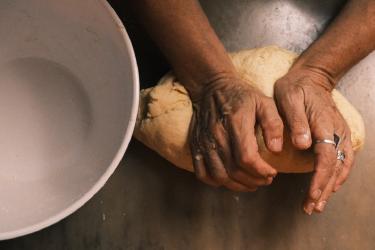
Add the salt and yeast - mix gently until combined. Now here’s where heritage grains differ from regular bread making: instead of kneading, use stretch-and-folds. Every 30 minutes for the next 2 hours, grab one side of the dough, stretch it up, and fold it over itself. Rotate the bowl 90 degrees and repeat. Four folds per session, four sessions total.
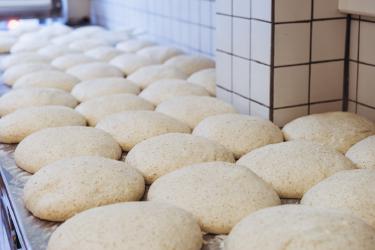
After bulk fermentation (about 3-4 hours at room temperature, or until the dough has grown by 50%), shape your loaf gently. Don’t degas it aggressively. Place it seam-side up in a floured banneton or bowl lined with a floured towel.
Refrigerate overnight. Cold retarding develops flavor and makes the dough easier to handle.
Next day, preheat your oven to 475°F (245°C) with a Dutch oven inside. Turn your dough onto parchment paper, score the top, and carefully lower it into the hot pot. Cover and bake 25 minutes. Remove the lid and bake another 15-20 minutes until deep brown.
Let it cool completely before slicing. Yes, this is torture. But heritage grain breads need time for the crumb to set.
Tips I Wish Someone Had Told Me
**Don’t expect perfection on your first try. ** Heritage grain baking has a learning curve. Your early loaves might be flat or dense. That’s normal - they’ll still taste good.
**Fresh flour matters more here. ** Heritage grains go rancid faster than modern wheat because they contain more oils. Buy from mills that date their products and store your flour in the fridge or freezer.
**Consider blending flours. ** Mixing 50% heritage grain with 50% bread flour gives you better structure while still showcasing those ancient flavors. As you get comfortable, increase the heritage grain percentage.
**Watch your timing. ** These doughs ferment faster than you might expect. The fragile gluten means overproofing happens quickly. Better to underproof slightly than push it too far.
**Embrace the density. ** A heritage grain loaf will never be as light as a standard baguette. And that’s okay. The texture should be moist and tender, not airy. Judge success by flavor and eating quality, not by how many holes your crumb has.
Where to Source Quality Grains
Your local grocery store probably won’t stock these flours. Here are some options:
Farmers markets sometimes have vendors who mill heritage grains locally. This is ideal-fresh flour from someone who can tell you exactly when it was ground.
Online specialty mills ship nationwide. Look for places that stone-mill their flour, which preserves more nutrients and flavor than industrial roller milling.
Health food stores occasionally stock spelt flour. Einkorn and emmer are trickier to find in physical stores.
If you’re really committed, consider buying whole berries and grinding them yourself. A home grain mill is an investment, but freshly milled flour is genuinely transformative.
The Bigger Picture
Baking with heritage grains is more than about making bread. It’s about preserving agricultural diversity. Modern wheat monocultures are vulnerable to disease and climate change. Every loaf of einkorn or emmer you bake supports farmers who are keeping these ancient varieties alive.
There’s also something meditative about working with these grains. They demand attention. You can’t rush them or muscle them into submission. They teach patience and observation-skills that make you a better baker overall.
So yeah, your first loaf might not win any beauty contests. But slice it warm, spread it with good butter, and taste thousands of years of baking history. That’s worth a flat loaf or two along the way.