Guava Beyond Pastries: Savory Applications for This Fruit
You probably know guava from that flaky Cuban pastry your abuela makes, or maybe from the guava paste your friend brought back from their trip to Brazil. Sweet applications have dominated this tropical fruit’s reputation for decades. But but-guava works brilliantly in savory dishes too, and chefs across the globe are finally catching on.
Guava’s unique flavor profile sits somewhere between strawberry and pear, with a floral punch that can feel almost perfume-y if you’re not careful. That complexity makes it perfect for cutting through rich, fatty meats and adding brightness to otherwise heavy dishes.
Why Guava Works in Savory Cooking
The fruit contains natural pectin, which means it thickens sauces without needing extra starch. Its acidity balances sweetness naturally, creating glazes that caramelize beautifully without becoming cloying. And the color? That pale pink to deep coral hue looks stunning on a plate.
Guava paste (called goiabada in Brazil or pasta de guayaba in Spanish-speaking countries) is your secret weapon here. It’s concentrated, shelf-stable, and melts into sauces like butter. A two-inch cube can transform a basic pan sauce into something restaurant-worthy.
I started experimenting with guava in savory cooking after a trip to Puerto Rico, where I had mofongo topped with a guava-chipotle glaze. The combination of smoky heat and tropical sweetness genuinely changed how I think about fruit in cooking.
Guava-Glazed Proteins That Actually Work
**Pork is the obvious pairing. ** The fruit’s sweetness complements pork’s natural sugariness while the acidity cuts through fat. For a quick weeknight meal, cube guava paste into a hot pan with some chicken stock, a splash of soy sauce, and minced garlic. Let it reduce while your pork chops rest, then spoon it over.
Duck breast also takes to guava remarkably well. Score the skin, render it slowly, then brush with a mixture of melted guava paste, orange juice, and a pinch of five-spice powder during the final minutes of cooking.
Chicken thighs braised with guava, white wine, and olives might sound weird. It’s not. The briny olives balance the sweetness while creating a sauce that begs for crusty bread.
**What about seafood - ** Absolutely. Grilled shrimp with a guava-lime butter takes about fifteen minutes and impresses dinner guests every single time. Melt butter, add diced guava paste, lime zest, a hit of chili flakes, and toss with just-grilled shrimp. The residual heat finishes the sauce.
Guava in Sauces, Dressings, and Marinades
BBQ sauce gets a tropical upgrade with guava. Replace half the ketchup in your standard recipe with pureed fresh guava or dissolved guava paste. Add extra vinegar to compensate for the fruit’s sweetness. The result works on ribs, pulled pork, even grilled vegetables.
For a quick vinaigrette, blend fresh guava with rice vinegar, neutral oil, a touch of honey, and salt. Strain out the seeds (they’re edible but texturally annoying) and drizzle over bitter greens like arugula or endive. The sweetness tames the bitterness without overpowering it.
Mojo sauce-that Cuban garlic-citrus marinade-benefits from a guava addition. The fruit’s pectin helps the sauce cling to meat better than the traditional orange juice-only version.
The Guava Latte Trend and What It Tells Us
Have you noticed guava lattes popping up at coffee shops lately? Starbucks tested them in select markets. Independent cafes have been serving versions for years, especially in areas with large Latin American populations.
This trend signals something bigger: mainstream American palates are finally ready for tropical fruits beyond mango and pineapple. Guava’s having its moment.
The coffee application works because guava’s acidity mirrors coffee’s brightness while its sweetness replaces traditional sugar. Some shops use guava syrup, others blend actual fruit into the milk. Both approaches create that Instagram-worthy pink color that drives orders.
But the latte trend has legs beyond social media aesthetics. Guava’s flavor genuinely complements espresso’s bitter notes in ways that strawberry or raspberry can’t quite match.
Sourcing and Storage Tips
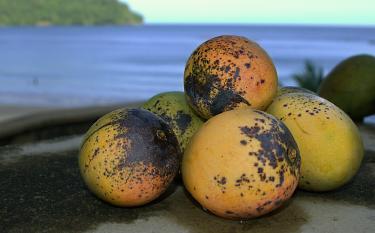
Fresh guava appears in Latin markets, Asian grocery stores, and increasingly in mainstream supermarkets between August and October. Look for fruits that yield slightly to pressure and smell fragrant near the stem end. Unripe guava smells like nothing. Ripe guava announces itself from across the room.
Guava paste keeps for months in the refrigerator and essentially forever in the freezer. It’s sold in rectangular blocks or round tins. The block format works better for savory cooking since you can shave or cube it precisely.
Canned guava nectar and frozen pulp offer convenience for sauces and marinades. Just watch the sugar content-some brands add significant sweetener that throws off savory applications.
A Simple Starting Point
Not ready to commit to a full guava-centered dish? Start small. Add a tablespoon of guava paste to your next batch of carnitas during the braising phase. You won’t taste guava specifically, but you’ll notice a rounder, more complex flavor in the finished pork.
Or try this: spread guava paste on a grilled cheese sandwich before adding the cheese. Sharp cheddar works best. The combination echoes the classic Cuban snack of guava and cheese, but in a more approachable format.
Guava chutney alongside a cheese board opens doors too. Cook diced guava with vinegar, ginger, and a little cayenne until jammy. Serve with aged manchego or a sharp goat cheese.
Moving Beyond the Pastry Case
The Western culinary world has underestimated guava for too long. While we’ve been content to stuff it into pastries. Spread it on toast, cooks in Brazil, India, Mexico, and Southeast Asia have known for generations that this fruit plays well with savory ingredients.
Those guava recipes your grandmother might have made centered on desserts because sugar was the universal preservation method. Refrigeration and global supply chains mean we can now explore the fruit’s full potential.
So next time you spot guavas at the market or walk past that familiar pink and white tin of guava paste, think beyond the obvious. Your pork chops will thank you.
And honestly? Once you nail a good guava glaze, you’ll wonder why you ever limited this fruit to the pastry case in the first place.