Fibermaxxing: Maximize Nutrition with High-Fiber Eating
You’ve probably heard someone say “eat more fiber” at least a dozen times in your life. Maybe it was your doctor, your mom, or that one friend who got really into smoothies. But but-most of us are barely scratching the surface of what fiber can actually do for our bodies.
Fibermaxxing is more than another wellness buzzword. It’s about intentionally building your meals around high-fiber foods to support digestion, keep you full longer, and give your gut bacteria something to celebrate.
What Even Is Fiber, Really?
Fiber is the part of plant foods your body can’t digest. Sounds useless, right - wrong. That indigestibility is exactly what makes it powerful.
There are two main types. Soluble fiber dissolves in water and forms a gel-like substance in your gut. Think oats, beans, and apples. This type helps lower cholesterol and stabilizes blood sugar.
Insoluble fiber doesn’t dissolve. It adds bulk to your stool and helps everything move through your system. Whole grains, nuts, and vegetables are packed with it.
Most people need around 25-35 grams of fiber daily. The average American gets about 15 grams. That gap - it’s huge.
Why Your Gut Is Basically Throwing a Party When You Eat Fiber
Your large intestine is home to trillions of bacteria. Some are helpful - some are not. The helpful ones - they feast on fiber.
When gut bacteria break down fiber, they produce short-chain fatty acids. These compounds reduce inflammation, strengthen your intestinal lining, and may even affect your mood. Research published in Cell Host & Microbe found that a fiber-rich diet increased beneficial bacterial diversity within just two weeks.
But skip the fiber and those good bacteria start starving. They might even begin munching on your intestinal mucus lining instead. Not ideal.
A diverse gut microbiome has been linked to better immune function, improved mental health, and lower risk of chronic diseases. Fiber is basically fertilizer for that internal garden.
The Satiety Factor: Why High-Fiber Foods Keep You Full
Ever notice how a bowl of oatmeal keeps you satisfied until lunch, but a bagel leaves you raiding the snack drawer by 10 AM?
Fiber slows digestion. It physically takes up space in your stomach. And soluble fiber forms that gel I mentioned earlier, which delays gastric emptying.
One study in the Journal of Nutrition found that participants who ate more fiber consumed about 10% fewer calories overall-without even trying to restrict. They just weren’t as hungry.
This makes high-fiber eating a practical approach for anyone looking to manage their weight without obsessive calorie counting. You’re not fighting hunger. You’re working with your body’s natural signals.
Easy Swaps to Boost Your Fiber Intake
You don’t need to overhaul your entire diet overnight. Small changes add up.
Breakfast: Swap sugary cereal for steel-cut oats. Add chia seeds or ground flaxseed to smoothies. Choose whole grain toast over white.
Lunch: Build your sandwich on whole wheat bread. Add a handful of chickpeas to your salad. Keep the skin on your apple.
Dinner: Serve brown rice instead of white. Toss some lentils into your soup. Roast vegetables as a side instead of something starchy.
Snacks: Reach for raw almonds, carrots with hummus, or air-popped popcorn. These beat chips and crackers every time.
One trick that works - add beans to things. Black beans in tacos - white beans in pasta. Chickpeas in curry. A half-cup of cooked beans delivers about 7-8 grams of fiber.
The Best High-Fiber Foods You Should Know About
Some foods are fiber superstars. Here’s a quick rundown:
- Split peas: 16 grams per cooked cup
- Lentils: 15. 5 grams per cooked cup
- Black beans: 15 grams per cooked cup
- Artichokes: 10 grams per medium artichoke
- Raspberries: 8 grams per cup
- Pears: 5.
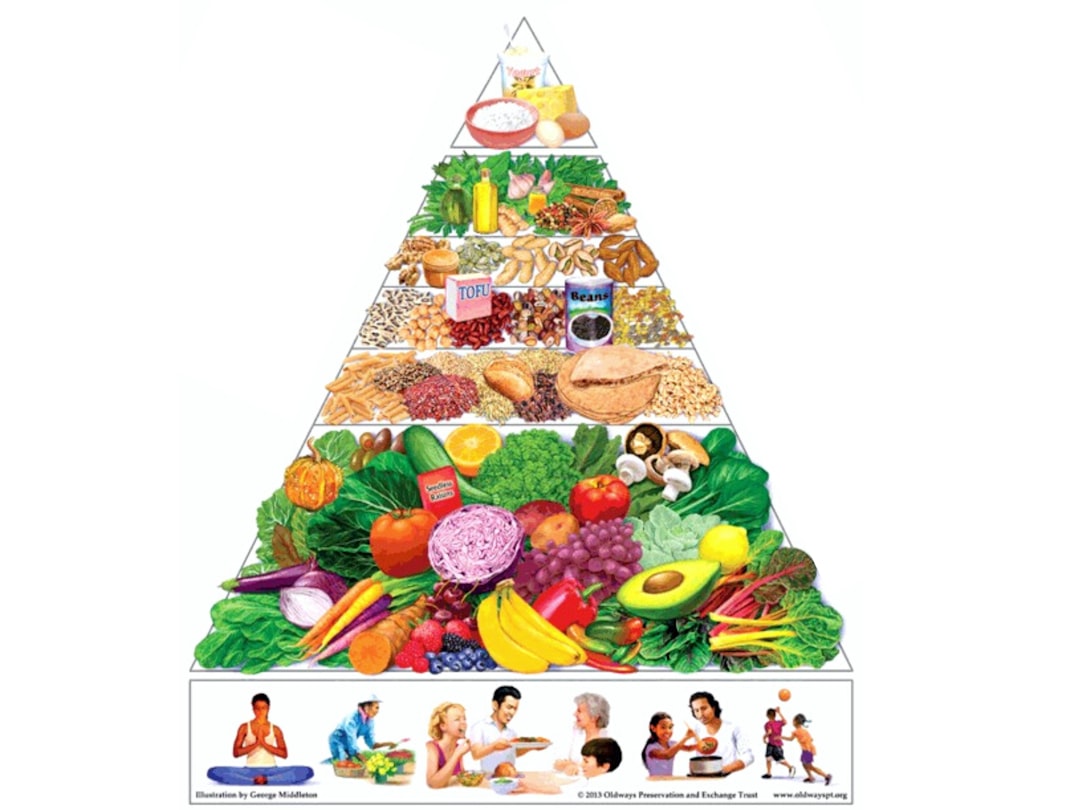
Notice anything? Whole, unprocessed plant foods dominate this list. Meat and dairy contain zero fiber. Processed foods typically have it stripped out.
A Word of Caution: Go Slow
Here’s where people mess up. They read about fiber’s benefits, get excited, and eat three cups of beans for dinner.
Bad idea.
Your gut needs time to adjust. Ramping up fiber too quickly leads to bloating, gas, and cramping. Your microbiome hasn’t built up the bacterial populations to handle that load yet.
Increase fiber gradually over several weeks. Add an extra 3-5 grams per day. Drink plenty of water-fiber absorbs liquid, and without enough hydration, things can get… backed up.
If you’re dealing with conditions like IBS, talk to a healthcare provider before making major changes. Some types of fiber can worsen symptoms for certain people.
What About Fiber Supplements?
Psyllium husk, inulin, methylcellulose-you’ve seen these on store shelves. Do they work?
Yes and no. Supplements can help bridge gaps in your intake. But they’re not equivalent to fiber from whole foods.
Whole foods bring vitamins, minerals, antioxidants, and phytochemicals along for the ride. A psyllium capsule - just the fiber.
Think of supplements as a backup plan, not the main strategy. If you’re eating a varied diet with plenty of vegetables, fruits, legumes, and whole grains, you probably don’t need them.
Sample High-Fiber Day
Wondering what this looks like in practice? Here’s a realistic day:
Breakfast: Overnight oats made with rolled oats, chia seeds, almond milk, and fresh berries. (About 12 grams fiber)
Lunch: Large salad with mixed greens, chickpeas, cucumber, tomato, avocado, and olive oil dressing. Whole grain crackers on the side.
Snack: Apple slices with almond butter. (About 5 grams fiber)
Dinner: Lentil soup with crusty whole wheat bread. Roasted broccoli.
That’s roughly 49 grams of fiber. Way above average, but totally achievable without weird foods or extreme effort.
The Bigger Picture
Fibermaxxing isn’t about perfection. Some days you’ll hit 35 grams. Other days you’ll eat pizza and call it good. That’s fine.
The goal is building habits that trend upward over time. Pay attention to how you feel. Most people report better digestion, more stable energy, and fewer cravings once they’ve been eating higher fiber for a few weeks.
Your gut bacteria will adapt. Your taste preferences might even shift-many people find they start genuinely craving vegetables and whole grains once their microbiome adjusts.
And honestly? High-fiber foods are often the cheapest in the grocery store. Dried beans, oats, brown rice, seasonal vegetables. This approach doesn’t require fancy supplements or expensive health foods.
So maybe give it a shot. Add some lentils to your next meal. Snack on an actual apple instead of apple juice. See what happens when you start feeding your gut what it actually wants.