Fermented Vegetables Beyond Kimchi: Global Pickled Traditions
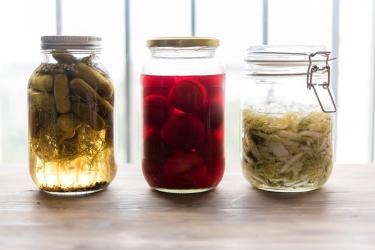
You know that jar of kimchi sitting in your fridge? The one you bought because everyone said fermented foods were good for your gut? Well, kimchi’s fantastic, but it’s just one player in a massive global lineup of pickled vegetables that humans have been making for thousands of years.
Fermentation isn’t some trendy health fad. It’s survival technology. Before refrigerators existed, people everywhere figured out that salt, time, and friendly bacteria could transform vegetables into something that lasted through brutal winters and long sea voyages.
What Makes Lacto-Fermentation Work
The magic behind most traditional pickled vegetables is lacto-fermentation. Don’t let the “lacto” confuse you-it has nothing to do with milk. The name comes from Lactobacillus, a type of bacteria naturally present on vegetable surfaces.
Here’s what happens: You pack vegetables in salt (or a salt brine), which kills off harmful bacteria while letting Lactobacillus thrive. These good bacteria munch on sugars in the vegetables and produce lactic acid as a byproduct. That acid drops the pH low enough to preserve the food for months and creates that distinctive tangy flavor.
The process also generates probiotics-live beneficial bacteria that may support digestive health. Though honestly, the science on gut health is still evolving. What we do know is that fermented vegetables are nutrient-dense, often more bioavailable than their raw counterparts, and delicious in ways that raw veggies simply aren’t.
Sauerkraut: Germany’s Cabbage Cornerstone
Sauerkraut predates Germany itself. The technique likely traveled westward from China along trade routes, though Germans perfected it into an art form.
Making sauerkraut is dead simple. Shred cabbage, massage it with salt (about 2% of the cabbage’s weight), pack it tightly in a crock or jar, and wait. The salt draws moisture from the cabbage, creating its own brine. Three to six weeks later, you’ve got tangy, crunchy sauerkraut.
German immigrants brought sauerkraut to America, where it became a hot dog topping and somehow got associated with New Year’s luck in Pennsylvania Dutch country. In Alsace, they pile it under sausages and pork in the legendary choucroute garnie.
But here’s something most people don’t realize: store-bought sauerkraut is usually pasteurized, which kills the beneficial bacteria. If you want the probiotic benefits, look for refrigerated brands or make your own.
Eastern European Variations
Poland has kiszona kapusta, which is essentially sauerkraut’s cousin. Russians make their own version too, often adding carrots, cranberries, or caraway seeds. Ukrainian families traditionally prepare massive batches in late fall, storing barrels in cold cellars.
Then there’s ogórki kiszone-Polish fermented cucumbers. These aren’t the vinegar pickles you find in most American supermarkets. They’re brined in salt water with dill, garlic, and sometimes horseradish leaves (which help keep them crisp). The fermentation takes just a few days in summer, longer in winter.
Romanians pickle pretty much everything: cabbage, peppers, green tomatoes, cauliflower. They often ferment mixed vegetables together in massive crocks, creating murături-a pickled vegetable medley served alongside rich meat dishes.
Asian Traditions Beyond Kimchi
Kimchi gets all the attention in the West, but Korean cuisine features dozens of fermented vegetables. Kkakdugi uses cubed radish. Yeolmu-kimchi features young summer radish greens. Dongchimi is a refreshing water kimchi where whole radishes float in a mild, slightly fizzy brine.
Japan has nukazuke, vegetables buried in a fermented rice bran bed called nukadoko. This method requires daily stirring and attention-some nukadoko beds have been maintained by families for generations, passed down like heirlooms. The bran imparts a unique earthy flavor impossible to replicate any other way.
Chinese cuisine contributed the original fermented vegetables that influenced everyone else. Suan cai (sour vegetable) from northeastern China likely inspired Korean kimchi. Paocai from Sichuan involves vegetables fermented in a spiced brine with Sichuan peppercorns, creating something simultaneously sour, salty, and numbing.
India’s Achaar Tradition
Indian pickles-achaar-often use oil and spices alongside salt for preservation, but many regions practice true lacto-fermentation too. Punjabi families make gajar ka achaar with carrots, mustard oil, and warming spices. South Indian pickles frequently feature mango, lime, or mixed vegetables fermented with fenugreek and chili.
The spice combinations vary dramatically by region. Andhra pickles tend toward fierce heat. Bengali achaar might include nigella seeds and panch phoron. Kashmir contributes pickled turnips tinted pink with beetroot.
Unlike most European ferments, Indian pickles often incorporate mustard oil, which has its own antimicrobial properties. The result: intensely flavored condiments that can last years at room temperature.
Middle Eastern and Mediterranean Methods
Torshi spans the Middle East-Iran, Iraq, Turkey, Egypt, and beyond. The name simply means “sour” in Persian. Traditional torshi combines vegetables like turnips, carrots, celery, and cauliflower in a garlicky brine. Iranian torshi litteh uses eggplant stuffed with herbs.
Turkish turşu shops sell dozens of varieties from huge barrels. Şalgam is a fascinating purple beverage made from fermenting turnips and purple carrots-tangy, salty, and surprisingly refreshing alongside fatty kebabs.
The Mediterranean offers lesser-known traditions too. Greek toursi, Cypriot pickled caper leaves, Italian giardiniera (though many modern versions use vinegar instead of fermentation).
Latin American Ferments
Mexico’s curtido is a lightly fermented cabbage slaw-think sauerkraut’s sunnier cousin. Salvadoran pupuserias always serve it alongside their stuffed corn cakes. It’s quick-fermented, usually ready in a day or two, with jalapeño and oregano adding brightness.
Further south, Peruvian cuisine features various pickled preparations, though many now use vinegar. Traditional choclo con queso sometimes accompanies fermented vegetables.
Central American households often maintain ongoing pickle crocks, continuously adding vegetables and drawing from them-a perpetual fermentation system predating European contact.
Starting Your Own Fermentation Practice
Want to try this yourself? Start with sauerkraut or simple fermented carrots. You need just vegetables, salt, a jar, and patience.
The basic ratio: 2-3% salt by weight of vegetables. So for a pound of shredded cabbage (about 450 grams), use 9-14 grams of salt. Massage until liquid pools, pack tightly, weigh it down so vegetables stay submerged, and cover loosely to let gases escape.
Temperature matters. Cooler fermentation (60-65°F) takes longer but develops more complex flavors. Warmer fermentation (70-75°F) speeds things up but can taste one-dimensional. Room temperature works fine for most people.
Troubleshooting: If you see white film on top, that’s kahm yeast-harmless but unpleasant. Skim it off. Mold (fuzzy, colored growth) means something went wrong; toss it. Pink sauerkraut indicates the wrong bacteria dominated; also toss it.
Why These Traditions Matter Now
Industrial food preservation mostly relies on refrigeration, canning, and chemical additives. These methods work, but they’ve disconnected us from preservation techniques that sustained humans for millennia.
Fermentation transforms flavor in ways no other technique matches. That funky complexity in a good sauerkraut, the fizzy tang of proper pickles, the deep umami of long-aged kimchi-you can’t fake these with vinegar and spices.
And there’s something satisfying about keeping a jar of fermenting vegetables on your counter. Watching bubbles rise - tasting daily as sourness develops. You’re participating in the same process your ancestors used, guided by the same invisible bacteria they never knew existed but trusted completely.
These traditions survived because they work. The vegetables are tasty - they’re good for you. They don’t require electricity or special equipment. In an age of industrial food systems and supply chain fragility, that self-reliance has appeal beyond mere nostalgia.
Maybe start with that jar of kimchi in your fridge. But don’t stop there. A whole world of fermented vegetables awaits-sour, tangy, alive, and deeply connected to human history on every continent.