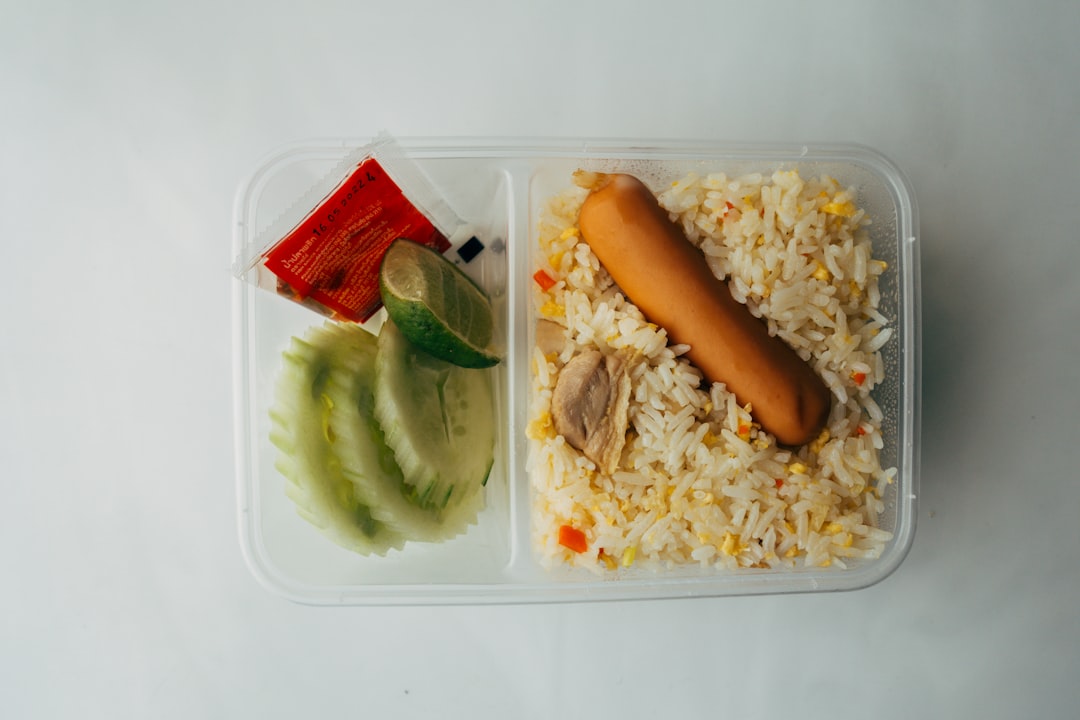
**Elevated Comfort Classics with Surprising Twists
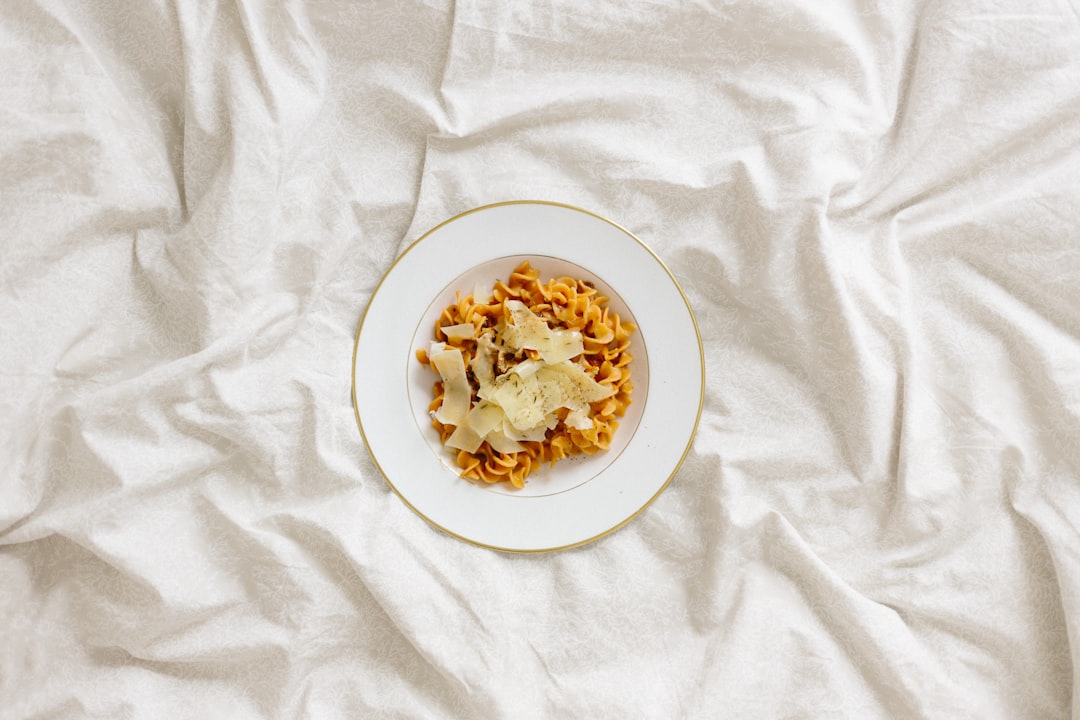
Remember when mac and cheese came from a blue box and that was perfectly fine? Those days shaped how we think about comfort food. But but-your palate has grown up, and your comfort classics can too.
Comfort food reimagined isn’t about making things fussy or pretentious. It’s about taking what you already love and pushing it somewhere unexpected. A crispy edge here - a better ingredient there. Maybe a technique borrowed from a chef who trained in Lyon but grew up on Midwest hotdish.
Why Comfort Food Begs for an Upgrade
Nostalgia cooking has its place - absolutely. But eating the exact same meatloaf your mom made in 1987 every single time? That gets old. Your taste buds have been places. You’ve tried things. You know what good olive oil tastes like now.
The beauty of elevated ingredients is that they don’t erase the memory-they enhance it. You’re not replacing comfort - you’re adding layers.
Think about chicken pot pie. The basic version uses canned cream of chicken soup, frozen vegetables, and store-bought crust. Fine - serviceable. But what if you made a proper roux, used stock you’d simmered yourself, threw in some tarragon, and topped the whole thing with rough puff pastry? Same dish - same warm feeling. Different experience entirely.
Crispy Textures Change Everything
Here’s a secret restaurant chefs figured out ages ago: people are hardwired to love crunch. Something about that textural contrast-soft against crispy-triggers genuine pleasure.
Take mashed potatoes - good on their own. Great, even. But top them with fried shallots? Scatter some panko that’s been toasted in brown butter? Now you’ve got something that makes people close their eyes when they eat.
Crispy textures work especially well with traditionally soft comfort foods:
- Mac and cheese with a proper breadcrumb crust (not just sprinkled on top, but broiled until it cracks when you tap it)
- Shepherd’s pie with potato that’s piped and torched for crispy peaks
- Chicken and dumplings served alongside crackling-crisp chicken skin chips
- Beef stew ladled over torn, fried sourdough instead of regular bread
The contrast does something psychological too. Soft foods feel nursery-like. Add crunch and suddenly you’re eating something more sophisticated, even if the base recipe is the same one your grandmother used.
The Chef-Forward Approach to Humble Dishes
What does chef-forward even mean? Basically, it’s applying restaurant-level technique to homestyle cooking. Not to show off - to make things taste better.
Consider a grilled cheese sandwich. The home version: butter, bread, American cheese, medium heat. The chef-forward version might use a three-cheese blend (gruyère for stretch, aged cheddar for punch, fontina for melt), sourdough brushed with garlic butter, cooked low. Slow until the crust turns mahogany.
Same sandwich - different intention.
Or meatloaf. The classic uses ground beef, maybe some ketchup glaze. A chef-forward take might combine beef, pork, and veal in specific ratios. Toast the breadcrumbs before mixing them in. Add miso paste for depth. Glaze with something that’s been reduced until it coats a spoon.
You’re not making restaurant food at home. You’re borrowing techniques that professionals use and applying them to dishes you already know.
Three Recipes That Actually Demonstrate This
Truffle-Scented Pot Roast with Root Vegetable Mash
Pot roast is pot roast is pot roast-until it isn’t. The twist here: finish the braising liquid with truffle oil (just a few drops, don’t go crazy) and mash your root vegetables instead of serving carrots and potatoes separately.
Cut your chuck roast into two pieces instead of one. More surface area means more browning, which means more flavor. Season aggressively with salt the night before. When you braise, use a combination of beef stock and red wine, with a single anchovy dissolved in the liquid. You won’t taste fish - you’ll taste depth.
For the mash, cook parsnips, carrots, and potatoes together. Pass through a ricer while hot. Fold in cold butter and a splash of heavy cream. The sweetness of the vegetables plays against the rich, savory meat.
Cornbread with Hot Honey and Whipped Cultured Butter
Cornbread shouldn’t be controversial, but people have opinions. Here’s mine: it should be slightly sweet, definitely moist, and served with something that makes you reach for seconds.
Hot honey is just honey infused with dried chiles. Make your own by warming honey with crushed red pepper flakes, letting it sit overnight, then straining. Drizzle it over warm cornbread that’s been split and spread with whipped cultured butter.
The cultured butter has a slight tang that regular butter lacks. Find it at most grocery stores now. Or make your own by culturing heavy cream with a bit of buttermilk before churning.
For the cornbread itself, use stone-ground cornmeal if you can find it. The texture makes a difference. And pour the batter into a screaming-hot cast iron pan with melted butter already in it. That’s how you get crispy edges.
Double-Fried Chicken with Sorghum Glaze
Fried chicken appears on every comfort food list for good reason. But most versions end up soggy within minutes. Double-frying solves this.
Fry your chicken once at 325°F until cooked through. Let it rest for at least ten minutes. Then fry again at 375°F until the crust turns deep golden and audibly crackles. This technique comes from Korean fried chicken traditions, and it works because the second fry drives out moisture from the coating.
The sorghum glaze brings the surprise. Sorghum is like molasses’s friendlier cousin-less bitter, more complex. Warm it with a bit of hot sauce, apple cider vinegar, and a pinch of cayenne. Brush it on the chicken right when it comes out of the oil.
Sweet, spicy, crispy, juicy. Four textures and flavors in every bite.
Where People Go Wrong
Elevation doesn’t mean complication. Some folks take comfort food reimagined too literally and end up with dishes that require three days and seventeen ingredients. That misses the point.
The goal is strategic improvement. One or two changes that punch above their weight. Not a complete overhaul.
And please-don’t lose what made the dish comforting in the first place. If your grandmother’s chicken soup made you feel loved, the upgraded version should still do that. It should just taste a little better.
Another trap: over-salting because restaurant food is heavily seasoned. Home cooking needs restraint. You’re not trying to cut through a noisy dining room and three cocktails. You’re eating at your own table, where subtlety registers.
Making It Work in Real Life
You don’t need to upgrade everything all the time. That’s exhausting - pick one dish per week. Experiment - some attempts won’t work. That’s fine.
Start with ingredients you already buy regularly. Swap in better butter. Find a local bakery for bread. Use real parmesan instead of the stuff in the green can. These small changes compound over time.
And don’t be afraid to fail. I’ve ruined plenty of dishes trying to improve them. Once added lavender to shortbread because it seemed sophisticated. It tasted like soap - lesson learned.
The kitchen rewards people who try things. Your comfort food-the dishes that make you feel safe and satisfied-deserves your best effort. Even when that effort is just toasting breadcrumbs in butter instead of sprinkling them straight from the box.
Nostalgia doesn’t require repetition. Sometimes the best tribute to the food you grew up with is making it even better.