How to Develop Your Palate and Taste Like a Chef
Ever wonder why your chef friend can identify exactly which spices are in a dish while you’re just sitting there thinking “yep, that’s tasty”? The difference isn’t some genetic gift. It’s trained skill.
And here’s the good news: you can develop that same ability.
Your Tongue Already Knows More Than You Think
Right now, your palate can detect five basic tastes: sweet, salty, sour, bitter, and umami. That’s biology. What separates casual eaters from skilled tasters is attention and vocabulary.
Think about it. When you eat something delicious, what happens? You probably think “mmm, good” and move on. A trained taster pauses. They notice the initial sweetness, the building heat, the lingering mineral finish. Same experience, different awareness.
The first step isn’t learning new techniques. It’s slowing down.
Start With What You Already Eat
Forget fancy ingredients for now. Your morning coffee is a flavor laboratory.
Tomorrow, before you add cream or sugar, actually taste it. Is it bitter? Sure, but what kind of bitter? Sharp and bright - deep and earthy? Does it feel heavy on your tongue or light? Is there any acidity, like you’d find in citrus?
Do this for a week. Same coffee, same ritual, but conscious tasting. You’ll start noticing things you never registered before. Maybe Tuesday’s cup tastes different because you ground the beans finer. Maybe the water temperature affected extraction.
This works with anything - olive oil. Cheese. That sriracha you put on everything.
The Comparison Game Changes Everything
Tasting one thing teaches you something. Tasting two things side by side? That’s where real learning happens.
Buy three different honeys. One cheap, one mid-range, one from a local beekeeper. Taste them back to back - suddenly the differences jump out. The cheap one might taste generically sweet. The local one might have floral notes you never knew honey could have.
Try this with:
- Three olive oils (different regions or varieties)
- Several chocolates (different cacao percentages)
- Various salts (table, kosher, flaky sea salt, pink Himalayan)
- Multiple brands of the same cheese type
Professional tasters use this comparison method constantly. It works because your brain excels at detecting differences, even subtle ones.
Building Your Flavor Vocabulary
Here’s a problem you’ll hit quickly: you taste something interesting but can’t describe it. “It tastes - good? Kind of - you know?
Not helpful.
Flavor wheels exist for wine, coffee, chocolate, and other foods. Find one relevant to what you’re exploring and keep it nearby. When you taste something, try to match the sensation to words on the wheel.
But don’t just memorize terms - connect them to memories. That “grassy” note in your green tea? Maybe it reminds you of fresh-cut lawns in summer. The “barnyard” funk in aged cheese? Could be that petting zoo smell from childhood.
Personal associations stick better than generic descriptors.
Some useful taste vocabulary to start:
For texture: creamy, grainy, silky, chewy, crisp, velvety, oily For acidity: bright, tangy, sharp, tart, sour, zingy For sweetness: cloying, subtle, honeyed, caramelized, fruity For bitterness: astringent, coffee-like, charred, green, medicinal For umami: savory, meaty, brothy, aged, fermented
The Nose Knows (More Than Your Tongue, Actually)
Here’s something wild: up to 80% of what you perceive as taste is actually smell. Your tongue handles basic tastes - your nose handles flavor complexity.
Test this yourself. Hold your nose closed, pop a jellybean in your mouth. You’ll taste sweet - maybe slightly sour. Release your nose mid-chew and boom-suddenly it’s cherry or lemon or whatever flavor it’s supposed to be.
Chefs train their noses deliberately. They smell ingredients before cooking them. They smell dishes at different stages. These build a mental library of aromas.
Start paying attention to smell in your cooking. Onions at different stages of caramelization. Garlic just starting to toast versus fully browned. Herbs fresh versus dried. These aromatic differences translate directly to flavor.
Practical Exercises That Actually Work
The Blindfold Test Have someone feed you common ingredients while blindfolded. No texture clues allowed-blend things if needed. Can you identify apple versus pear? Chicken versus turkey? This strips away visual bias and forces pure palate work.
The Reduction Experiment Take a cup of store-bought chicken broth. Simmer it until only half remains. Taste both. The reduced version concentrates flavors, making them easier to identify. This teaches you what “depth” actually means in cooking.
The Seasoning Challenge Cook plain rice or pasta. Divide it into portions. Season each differently-one with just salt, one with salt and acid (lemon), one with salt and fat (butter), one with all three. Experience how each element transforms bland food.
The Restaurant Game When eating out, try to identify ingredients and techniques before checking the menu or asking. That sauce-is it cream-based or butter-finished? Those vegetables-roasted or sautéed? Did they use fresh herbs or dried?
Why Temperature and Texture Matter
Taste perception changes with temperature. Ice cream straight from the freezer tastes less sweet than slightly melted ice cream. Same product, different experience. This is why chefs obsess over serving temperatures.
Texture affects flavor perception too. Crunchy foods release flavor differently than creamy ones. A crisp apple delivers its sweetness in bursts as you chew. Applesauce presents the same sweetness uniformly.
When training your palate, notice these variables. How does a soup taste lukewarm versus hot? Does toasting nuts change their flavor or just their texture? (Spoiler: both.
Common Mistakes That Slow Progress
**Overwhelming your palate. ** Tasting 15 wines in a row teaches you nothing except that your taste buds are exhausted. Limit comparison tastings to 4-6 items max.
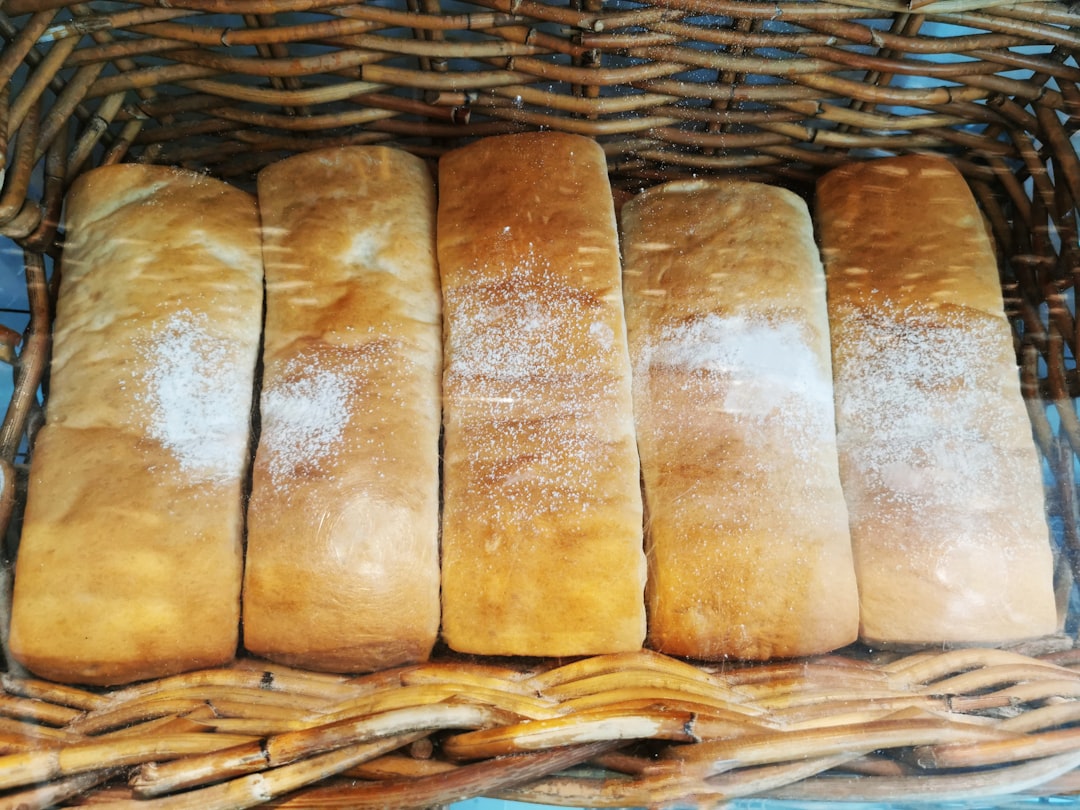
**Not cleansing between tastes. ** Plain bread or crackers reset your palate. Room temperature water works too. Skip this step and flavors blur together.
**Chasing complexity too fast. ** Master identifying salt levels before moving to subtle herb combinations. Build skills progressively.
**Ignoring your own preferences. ** You don’t have to like everything. But try to understand why you don’t like it. “I hate blue cheese” becomes “I’m sensitive to that specific funky, ammonia note in aged blue cheeses. " That’s growth.
The Real Secret: Consistency Over Intensity
You won’t develop a sophisticated palate from one wine tasting weekend or a single cooking class. This is daily practice, built in small moments.
Really taste your lunch today. Pay attention to your morning toast. Notice how your dinner smells before you eat it. These micro-moments accumulate.
Professional tasters have logged thousands of hours doing exactly this-paying attention when everyone else just eats.
The path is simple - not fast, but simple. Slow down - compare. Describe - repeat.
Your palate is already capable. You just need to start listening to what it’s telling you.