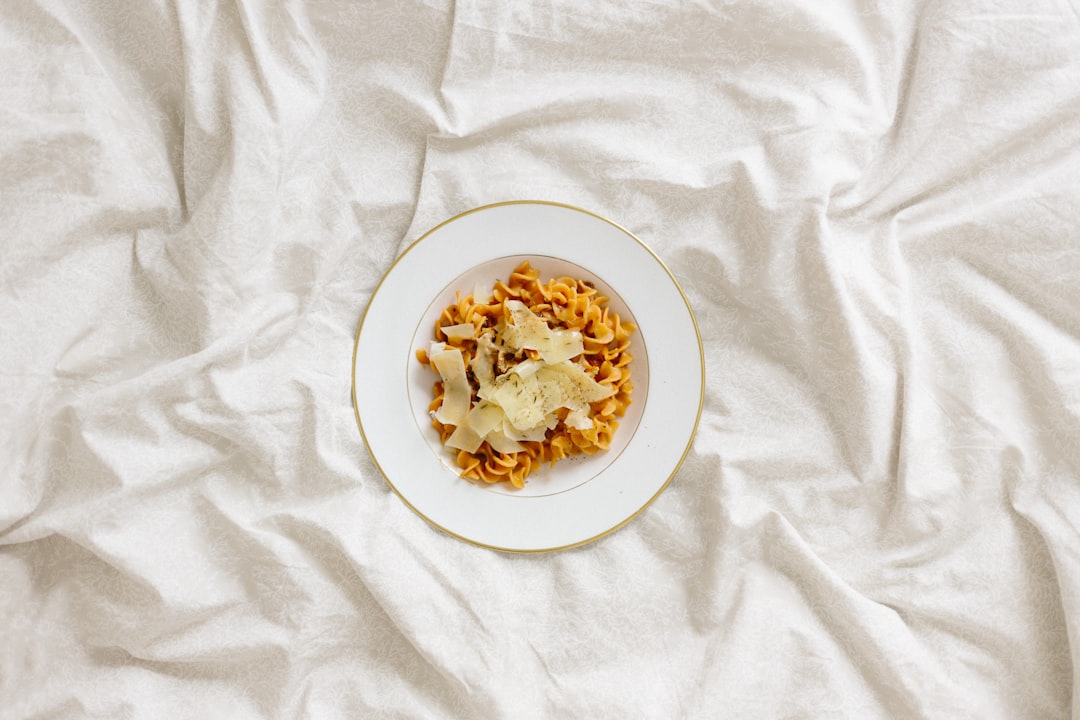
Cottage Cheese Pasta Sauce: The Protein-Rich Viral Swap
Have you seen those cottage cheese pasta videos blowing up everywhere? At first glance, it sounds weird. Maybe even a little gross. But stick with me here, because this trend actually delivers.
I was skeptical too. Cottage cheese belongs on diet plates next to sad lettuce, right? Wrong. When you blend it into a sauce, something almost magical happens. The lumpy texture disappears completely, leaving behind this silky, creamy base that clings to pasta like it was born to do exactly that.
Why Everyone’s Suddenly Obsessed
The numbers tell the story. A typical serving of cottage cheese packs around 14 grams of protein. Compare that to heavy cream (basically zero) or even alfredo sauce (maybe 4 grams if you’re lucky). For anyone trying to hit their protein goals without choking down another chicken breast, this swap makes real sense.
But protein isn’t the whole picture.
Cottage cheese costs less than fancy cheeses. It’s usually sitting right there in your fridge. And unlike cream-based sauces that can curdle if you look at them wrong, blended cottage cheese stays smooth and forgiving throughout the cooking process.
There’s also the calorie math. Traditional creamy pasta sauces often run 400-500 calories per serving before you even add the pasta. A cottage cheese version? You’re looking at roughly 100-150 calories for a comparable amount of sauce. That’s not nothing.
The Basic Method (It’s Embarrassingly Simple)
Here’s what you need:
- 1 cup cottage cheese (full-fat tastes best, but low-fat works)
- 2-3 tablespoons pasta water
- Salt and pepper
- Optional: garlic, herbs, lemon zest, parmesan
Blend the cottage cheese until completely smooth. I mean completely - no lumps whatsoever. A regular blender works fine, though a high-speed one gets it even silkier. Some people use an immersion blender right in the container. Whatever you’ve got.
That’s your base sauce.
Toss it with hot pasta and some of that starchy cooking water. The heat warms everything through, and the pasta water helps it coat each noodle. Add whatever seasonings you want - done.
The whole process takes maybe 3 minutes beyond cooking your pasta.
Flavor Variations That Actually Work
Plain cottage cheese sauce tastes - fine. Pleasant even. But a little boring on its own. Here’s where you can get creative.
Garlic Parmesan Version Blend the cottage cheese with 2 cloves of roasted garlic (raw works but hits harder) and stir in 1/4 cup grated parmesan after blending. Add a crack of black pepper and maybe some fresh basil. This one rivals traditional alfredo, honestly.
Lemon Herb Situation Add zest from one lemon, a tablespoon of juice, and fresh dill or chives to your blender. Light, bright, perfect for spring or summer eating. Great with peas or asparagus mixed in.
Spicy Pink Sauce Blend in a spoonful of tomato paste, a pinch of red pepper flakes, and some smoked paprika. You get this beautiful pink color and a sauce that’s tangy, slightly spicy, and satisfying without feeling heavy.
Green Goddess Pasta Throw a handful of spinach or basil right into the blender with the cottage cheese. Add a small garlic clove. The sauce comes out this gorgeous green, and kids often eat spinach this way when they’d reject it anywhere else.
Common Mistakes (And How to Avoid Them)
Not blending long enough tops the list. If your sauce still has visible curds, you haven’t blended enough. We’re talking 60-90 seconds in most blenders. The texture should resemble Greek yogurt when you’re done.
Another issue: adding cold sauce to hot pasta. The temperature difference creates problems. Either warm your sauce gently in a pan first, or use pasta water that’s basically boiling to help bring everything together.
Skipping the pasta water entirely - bad move. That starchy liquid acts like glue between your sauce and noodles. Without it, the sauce tends to slide off and pool at the bottom of your bowl.
Also, some people treat this exactly like regular cheese sauce and dump on heavy toppings. Thing is, cottage cheese sauce is milder and can get overwhelmed. Start with less of your add-ins than you think you need.
Does It Actually Taste Good Though?
Look, I’m not going to claim this tastes identical to traditional alfredo. It doesn’t. The flavor is lighter, tangier, and less rich. You know you’re eating something healthier.
But does it taste good - yeah. Really good, actually.
The tanginess works with pasta in a way that surprises most people. It’s almost like a mild cream cheese flavor when done right. And because it’s not as heavy, you can actually finish a full bowl without that “I need to unbutton my pants” feeling.
Kids seem to love it, possibly because the texture is smooth and the flavor is mild. Picky eaters who reject visible cheese sometimes accept this sauce without complaint. Go figure.
The one group that might struggle? Die-hard alfredo devotees expecting an exact replica. Manage expectations and call it something different. “Protein pasta” maybe - or just “creamy pasta sauce. " Let it be its own thing rather than a replacement for something else.
Pasta Shapes That Work Best
Not all pasta plays nice with this sauce. You want shapes that grab and hold onto the creaminess.
Winners:
- Rigatoni (those ridges catch sauce beautifully)
- Penne (same idea with the ridges)
- Rotini (spirals trap sauce in every twist)
- Shells (little pockets of sauce in each bite)
- Orecchiette (the cup shape holds everything)
Less ideal:
- Long thin pastas like angel hair (sauce slides off)
- Lasagna sheets (obviously)
- Very smooth shapes without texture
Spaghetti works okay if that’s what you have, but chunkier shapes deliver a better experience.
Meal Prep Potential
Here’s something useful: you can blend the sauce ahead of time and store it for 4-5 days in the fridge. The texture stays fine. Just give it a stir before using since it might separate slightly.
Some people batch prep several flavor variations at once. Monday’s garlic parmesan, Wednesday’s lemon herb, Friday’s spicy pink. All ready to go when pasta night hits.
You can also freeze the blended sauce in ice cube trays. Pop out a few cubes, thaw while your pasta cooks, and dinner comes together in minutes. Each cube roughly equals a tablespoon, so figure 3-4 cubes per serving depending on how saucy you like things.
The Nutritional Breakdown
Per cup of blended cottage cheese sauce:
- Calories: 180-220 (depending on fat content)
- Protein: 24-28 grams
- Carbs: 8-10 grams
- Fat: 5-10 grams (full-fat version higher)
Compare that to traditional alfredo sauce per cup:
- Calories: 400-500
- Protein: 8-10 grams
- Carbs: 6-8 grams
- Fat: 40-50 grams
The protein difference alone makes this swap worth considering if that’s a nutritional priority for you. Athletes, people building muscle, anyone cutting calories while trying to stay full - this pasta hack addresses real problems.
Final Thoughts Worth Mentioning
Viral food trends come and go. Remember when everyone put butter in their coffee? Or that feta pasta moment?
Cottage cheese pasta sauce feels different. It solves an actual problem (getting more protein, reducing calories) without requiring weird ingredients or complicated techniques. The barrier to entry is basically zero if you own a blender.
Will it replace traditional cream sauces entirely? Probably not. Sometimes you want the real thing. But for weeknight dinners when you want something quick, satisfying, and vaguely nutritious? This delivers.
Grab that tub of cottage cheese sitting in your fridge. The one you bought with good intentions that’s been slowly approaching its expiration date. Blend it - toss it with pasta. See what happens.
You might be surprised how good weird can taste.