Conchas Mexican Sweet Bread: Beyond Traditional Recipes
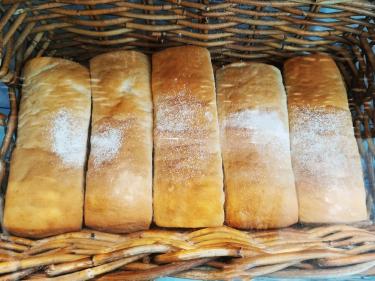
There’s something almost magical about walking into a Mexican bakery early in the morning. The smell hits you first-warm bread, vanilla, cinnamon, and that distinctive sweetness you can’t quite place. And sitting there in neat rows, usually front and center, are the conchas. Those beautiful shell-shaped breads with their crackly, colorful tops that practically beg you to pick one up.
But but. Most people only know conchas one way: the classic vanilla or chocolate topping on a soft, pillowy bun. And sure, that version is perfect. Truly. But conchas have so much more potential than what you typically find at the panadería.
What Makes a Concha a Concha?
Before we start messing with tradition (in the best way possible), let’s talk about what actually defines this iconic pan dulce.
A concha has two parts. The base is an enriched bread dough-eggs, butter, sugar, milk. It’s similar to brioche but with its own distinct character. Softer - a little less rich. The kind of bread that tears apart in fluffy layers.
Then there’s the topping. This is where the magic happens. It’s essentially a sugar cookie dough that gets scored with a shell pattern before baking. As the bread rises and bakes, that topping cracks and spreads, creating those signature grooves that give conchas their name (concha means “shell” in Spanish).
The topping traditionally comes in vanilla (white or slightly yellow), chocolate (brown), or pink (strawberry-flavored, sometimes just vanilla with food coloring). Some bakeries get fancy with orange or green. But that’s usually where it stops.
Why - no good reason, honestly.
Flavor Combinations That Actually Work
I’ve been experimenting with concha toppings for about three years now. Some experiments were disasters - a few were genuinely exciting. Here’s what I’ve learned.
Matcha and white chocolate creates this earthy, slightly bitter topping that pairs beautifully with the sweet bread underneath. Use culinary-grade matcha (not the cheap stuff) and fold in white chocolate chips. The chips melt slightly during baking and create pockets of sweetness throughout.
Coffee and cardamom sounds weird until you try it. Add two tablespoons of instant espresso powder and half a teaspoon of ground cardamom to your basic topping recipe. It tastes like something you’d find in a fancy coffee shop, but better. The cardamom adds this floral, almost mysterious quality.
Brown butter and brown sugar might be my favorite variation. Instead of regular butter in your topping, brown it first until it smells nutty. Swap white sugar for dark brown sugar. The result is deeper, more complex-almost caramel-like but not quite.
Ube (purple yam) makes a stunning purple topping that actually tastes like something. Use ube extract or powdered ube, not just food coloring. The flavor is subtle-vanilla-adjacent with an almost coconut-like undertone.
And here’s one that might get me in trouble: everything bagel topping. I know - but hear me out. A savory concha with sesame, poppy seeds, dried garlic, and flaky salt on top? Split it open, add cream cheese. It’s breakfast perfection - purists might disagree. They’re missing out.
The Base Matters Too
Most concha recipes you’ll find online focus entirely on the topping. Makes sense-it’s the pretty part. But the bread itself deserves attention.
Traditional concha dough is good - great, even. But there’s room to play.
Try adding citrus zest to your dough. Orange zest is traditional in some regions of Mexico, but lemon or lime works too. About two teaspoons per batch adds brightness without overwhelming.
Swap some of the milk for coconut milk. Not all of it-maybe half. You won’t taste coconut exactly, but the bread comes out somehow richer, with a slightly different texture that’s hard to describe but easy to love.
Add a handful of toasted coconut flakes to the dough itself. Or chocolate chips - or both. Yes, you can do this - no, it’s not traditional. Yes, it’s delicious.
One technique that makes a huge difference: an overnight cold rise. After your first rise, punch down the dough, cover it tightly, and refrigerate overnight. The slow fermentation develops more complex flavors. Your conchas will taste less one-dimensional, more interesting.
Tips Nobody Tells You
The topping-to-bread ratio matters more than you think. Too thin and it disappears into the bread. Too thick and it doesn’t crack properly-you get a solid shell instead of those beautiful grooves. Aim for about two tablespoons of topping per concha, pressed to roughly quarter-inch thickness.
Score deeper than you think necessary. Those lines should go almost all the way through the topping. They’ll spread during baking.
Let your shaped conchas rise until they look almost too puffy. They should jiggle when you shake the pan. Under-proofed conchas come out dense - nobody wants that.
Bake at a higher temperature than most recipes suggest. I go 375°F instead of the typical 350°F. Shorter bake time, better texture. The outside sets quickly while the inside stays soft.
Here’s the most important tip: eat them warm. Conchas are fine at room temperature. They’re transcendent straight from the oven. If you’re reheating day-old conchas, give them 30 seconds in the microwave under a damp paper towel. Not perfect, but close.
When Tradition Meets Innovation
There’s a bakery in Mexico City-Panadería Rosetta-that’s been doing inventive conchas for years. Guava - passion fruit. Seasonal variations that change monthly. They’ve proven that innovation and tradition can coexist.
Closer to home, bakeries in cities with large Mexican-American populations are starting to experiment too. I’ve seen churro-flavored conchas (cinnamon sugar topping, dulce de leche drizzle). Red velvet conchas. Even a s’mores version with graham cracker in the topping and chocolate chips in the bread.
Not every experiment works. I tried a lavender concha once that tasted like soap. A bacon-maple version was too salty. But the failures teach you something. They help you understand why the classic version works so well, which makes you better at creating variations that actually improve on it.
Making Your First Batch
If you’ve never made conchas before, start traditional. Get a feel for how the dough should look and feel. Learn to recognize when your topping is the right consistency. Master the classic before you start experimenting.
Once you’ve got a successful batch or two under your belt, then start playing. Swap one element at a time so you can taste the difference. Keep notes-actual notes, not just mental ones. What worked - what didn’t? Why?
The best part about making conchas at home is the freedom to customize. Don’t like super-sweet bread? Cut the sugar by a third. Want more vanilla flavor - double the extract. Prefer chocolate everything? Add cocoa to both the dough and the topping.
Your kitchen, your rules.
Pan dulce has been evolving for centuries-influenced by French baking techniques brought to Mexico, adapted by local bakers, personalized by families across generations. The conchas your grandmother made probably weren’t identical to the ones her grandmother made. That’s how food traditions stay alive. They adapt.
So go ahead - make your conchas with matcha. Or coffee. Or whatever sounds good to you. Just make sure you eat them warm.