Candied Fruit Garnishes: Professional Pastry Technique
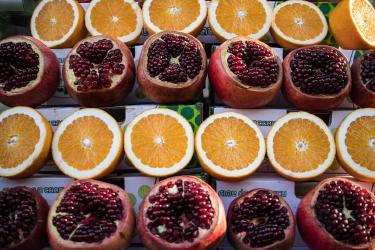
Ever watched a pastry chef place a perfectly crystallized orange slice on top of a tart and wondered how they got it so impossibly beautiful? That glossy, jewel-like finish isn’t some professional secret locked away in culinary school vaults. You can absolutely make candied fruit garnishes at home.
And honestly? Once you get the hang of it, you’ll start candying everything in your fruit bowl.
What Makes Candied Fruit Different From Regular Dried Fruit
Here’s the deal. Dried fruit loses its moisture through dehydration-air or heat pulls the water out. Candied fruit takes a completely different approach. You’re replacing that water with sugar syrup through a slow, patient process called osmosis.
The sugar penetrates the fruit’s cells, preserving it while creating that signature translucent, gem-like appearance. Think candied citrus peel, glacé cherries, or those gorgeous candied ginger pieces you find at fancy grocery stores.
The result? Fruit that’s:
- Shelf-stable for months when stored properly
- Intensely flavored (sugar concentrates the natural taste)
- Visually stunning with that characteristic sheen
- Firm enough to hold its shape as a garnish
Choosing Your Fruit: Not Everything Candies Well
Let’s be honest-some fruits take to candying like a duck to water. Others turn to mush.
Excellent choices:
- Citrus (oranges, lemons, limes, grapefruit)
- Ginger root
- Pineapple
- Cherries
- Kumquats
- Cranberries
Trickier but doable:
- Apples (thin slices only)
- Pears (firm varieties)
- Figs
- Chestnuts (marrons glacés, anyone?)
Skip these:
- Berries with high water content (strawberries, raspberries)
- Bananas
- Melons
- Peaches (too soft, too much water)
The pattern here? You want fruits with firm texture and relatively low water content. Citrus peels are the classic starting point because they’re forgiving and produce gorgeous results.
The Basic Technique: Slow and Steady Wins
I’m going to walk you through candied citrus slices-they’re the gateway drug of confectionery, and once you nail these, everything else becomes easier.
You’ll need:
- 2 oranges (or other citrus), sliced 1/4 inch thick
- 2 cups granulated sugar
- 2 cups water
- Candy thermometer (helpful but not essential)
Step 1: Blanch the slices
Place your citrus slices in a pot, cover with cold water, bring to a boil, then drain. Repeat this two more times - yeah, three blanches total.
Why - citrus pith is bitter. Really bitter. Each blanch pulls out some of that bitterness. Skip this step and your candied oranges will taste like regret.
Step 2: Make simple syrup
Combine sugar and water in a wide, heavy-bottomed pan. Stir over medium heat until the sugar dissolves completely. Stop stirring once it’s dissolved-stirring after this point can cause crystallization, and you’ll end up with grainy fruit.
Step 3: The slow simmer
Add your blanched citrus slices in a single layer (work in batches if needed). Reduce heat to the lowest possible setting. You want the tiniest bubbles - barely a simmer.
Now comes the patience part. Let them cook for 2-3 hours. Flip occasionally. The slices should become translucent-you’ll be able to almost see through them.
Step 4: Dry and finish
Transfer slices to a wire rack set over a baking sheet. Let them dry at room temperature for 24 hours, or speed things up in a 200°F oven for 2-3 hours.
Once they’re tacky but not wet, you’ve got options. Roll them in granulated sugar for a sparkly finish. Dip them in tempered chocolate. Or leave them glossy and sophisticated.
Common Mistakes (I’ve Made All of These)
Rushing the process
Candying is not a Wednesday-night-after-work project. The sugar needs time to penetrate the fruit cells. Crank up the heat to speed things along and you’ll get fruit that’s caramelized on the outside but still raw inside. Not the goal.
Slicing too thin or too thick
1/4 inch is the sweet spot for citrus. Thinner and they’ll curl up and become brittle. Thicker and the center won’t candy properly.
Forgetting to blanch citrus
Seriously, don’t skip this. Bitter candied fruit isn’t impressing anyone.
Storing while still wet
Put damp candied fruit in a container and you’ll get mold within days. They need to be dry to the touch-tacky is okay, sticky is not.
Beyond Basic: Variations That Impress
Once you’ve mastered the standard technique, play around:
Candied ginger follows the same process but requires more blanching (5-6 times) because fresh ginger is intensely spicy.
Candied citrus peel strips use just the peel, cut into matchsticks. Same blanching process, faster candying time since there’s less fruit to penetrate.
Spiced candied fruit adds whole spices to your syrup-cinnamon sticks, star anise, cardamom pods. The fruit absorbs those flavors beautifully.
Quick-candied cranberries are a cheat code. Simmer whole cranberries in syrup for just 10-15 minutes, let them dry rolled in sugar, and you’ve got jewel-like garnishes in under 2 hours. They won’t last as long in storage, but they’re stunning.
Using Your Candied Fruit
This is where it gets fun. These little gems are more than for professional pastry kitchens.
Cake and tart toppers - A single candied orange slice on chocolate ganache tart? Stunning - candied lemon peel on cheesecake? Classic for a reason.
Cocktail garnishes - Float a candied citrus wheel in an old fashioned or negroni. Your home bar just went up several levels.
Gift-worthy treats - Pack candied citrus in cellophane bags tied with ribbon. People act like you handed them diamonds.
Chopped into baked goods - Candied orange peel in chocolate chip cookies. Candied ginger in gingerbread - you get the idea.
Cheese board addition - Candied fruit pairs beautifully with sharp aged cheeses. That sweet-savory contrast hits different.
Storage: Making Your Work Last
Properly dried candied fruit, stored in an airtight container at room temperature, keeps for 2-3 months easily. Refrigeration extends that to 6 months or more.
The enemies are moisture and humidity. Keep them dry, keep them sealed, and they’ll reward you with months of gorgeous garnishes whenever you need them.
Some folks freeze candied fruit successfully for up to a year. Thaw at room temperature and let them dry out a bit before using.
Is It Worth the Effort?
Look, I won’t pretend candied fruit is quick. It’s a project - a weekend afternoon thing. But the results? Those you can’t buy at any grocery store.
Store-bought candied fruit has that artificial, overly sweet, slightly chemical taste. Homemade versions taste like actual fruit-concentrated, complex, beautiful.
And there’s something deeply satisfying about transforming a regular orange into something that looks like it belongs in a jewelry case. Start with citrus - get comfortable with the technique. Then branch out.
Your desserts will thank you. Your Instagram will definitely thank you.
Now go candy something.