Cabbage Renaissance: Chef Techniques for Maximum Flavor
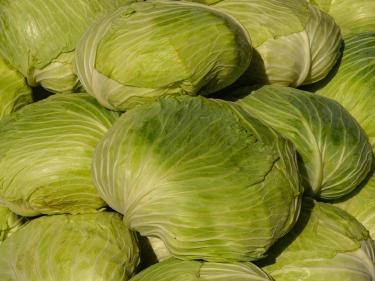
Cabbage gets a bad rap. For years, it’s been relegated to sad coleslaw at summer cookouts or boiled beyond recognition in your grandmother’s kitchen. But but: when you treat cabbage with the same respect chefs give to premium ingredients, something magical happens.
This humble vegetable transforms into something silky, sweet, and deeply savory.
Why Chefs Are Obsessed With Cabbage Right Now
Walk into any farm-to-table restaurant worth its salt and you’ll find cabbage somewhere on the menu. Not hiding in a side dish. Front and center.
The reason - cabbage delivers incredible value. A whole head costs a couple of dollars and feeds a family. It stores for weeks in your fridge without going sad and wilted. And when cooked properly, it develops flavors that rival ingredients costing ten times as much.
Hispi cabbage (also called sweetheart or pointed cabbage) has become particularly trendy. Its looser leaves and natural sweetness make it ideal for high-heat cooking. But don’t sleep on regular green cabbage. That everyday variety in every grocery store? It can be extraordinary.
The Braising Technique That Changes Everything
Most people make one critical mistake with cabbage: they don’t cook it long enough. Or they cook it too long at the wrong temperature. There’s a sweet spot, and finding it takes patience.
Here’s how restaurant kitchens approach braised cabbage:
Start by cutting your cabbage into thick wedges, keeping the core intact. The core holds the wedge together during cooking and becomes tender and sweet after braising. Cut it out and your cabbage falls apart into a mushy mess.
Heat a heavy pan until it’s properly hot. Cast iron works brilliantly. Add enough oil to coat the bottom generously-don’t be stingy here. Lay your wedges flat and let them sit. No poking - no prodding. You want deep caramelization, those dark brown edges that taste like candy.
After 4-5 minutes, flip once. Get color on the other side too.
Now comes the braise. Add liquid (stock, wine, even water with butter works fine) until it comes about a third of the way up the cabbage. Season with salt. Cover and reduce your heat to low.
Walk away for 25-30 minutes.
When you come back, the cabbage should be tender enough to cut with a spoon but still holding its shape. The outer leaves will be silky. The inner ones slightly more toothsome. And those caramelized edges? They’ve absorbed all that braising liquid and become intensely flavored.
Quick Sauté Methods for Weeknight Cooking
Braising takes time. What about Tuesday night when you’ve got maybe fifteen minutes?
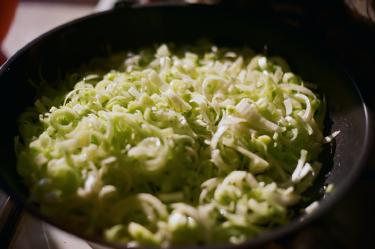
Shred your cabbage thin - really thin. Thick chunks won’t cook evenly in a quick sauté.
Get your pan screaming hot - seriously, hotter than you think. Add oil with a high smoke point (vegetable, grapeseed, or avocado oil) and immediately add your cabbage. It should sizzle aggressively.
Keep it moving for the first minute to prevent burning. Then let it sit for 30 seconds at a time between tosses. You want some charred bits developing. That’s flavor.
The whole process takes 6-8 minutes. The cabbage should be slightly wilted but still have some crunch. Season with salt, maybe a splash of soy sauce or rice vinegar. Done.
Pro tip: throw in some thinly sliced garlic in the last minute of cooking. It’ll toast in the residual heat without burning and bitter.
Building Flavor Layers
Plain braised cabbage tastes good - layered braised cabbage tastes incredible.
Start with aromatics. Render some bacon or pancetta until crispy, then cook your cabbage in that rendered fat. The smoky, salty pork flavor permeates every leaf.
No meat - caramelize onions first. Takes about 20 minutes to get them properly golden and sweet, but they add depth that makes people ask what your secret ingredient is.
Acid matters too. A squeeze of lemon juice right before serving brightens everything. Apple cider vinegar works beautifully with braised cabbage, especially if you’re pairing it with pork dishes. Rice vinegar for Asian-inspired preparations.
And don’t forget finishing touches. A drizzle of good olive oil. Flaky sea salt. Fresh herbs if you’ve got them-dill with cabbage is criminally underrated.
The Budget Cooking Angle Nobody Talks About
Let’s be real about money for a minute.
A head of cabbage weighs 2-3 pounds and costs somewhere between $2-4 depending on where you live. That’s enough for multiple meals. Compare that to the same weight in spinach or kale and you’re looking at four to five times the price.
Cabbage also generates almost zero waste. Those outer leaves everyone throws away? Perfectly usable. Just peel off any genuinely damaged bits and use the rest. The core that recipes tell you to discard? Shred it thin and it cooks just fine.
And the shelf life situation is remarkable. A whole head of cabbage stays good in your refrigerator for three to four weeks. Sometimes longer. Try that with a bag of salad greens.
For anyone cooking on a tight budget, cabbage should be a weekly staple. It stretches meals, adds volume and nutrition, and absorbs whatever flavors you throw at it.
Three Cabbage Dishes Worth Mastering
Charred Hispi with Miso Butter: Cut hispi cabbage in half lengthwise, brush generously with oil, and grill or broil until heavily charred in spots. While hot, slather with butter mixed with white miso paste (about 2 tablespoons butter to 1 tablespoon miso). The sweet-salty-umami combination against smoky charred cabbage? Restaurant-quality.
Slow-Braised Red Cabbage: Quarter a head of red cabbage, braise slowly with apple cider, brown sugar, a cinnamon stick, and a bay leaf for about an hour. This German-style preparation is perfect alongside roasted meats during colder months. It actually tastes better the next day after the flavors meld.
Quick Sesame Cabbage Slaw: Shred green cabbage, toss with toasted sesame oil, rice vinegar, a pinch of sugar, salt, and lots of toasted sesame seeds. Let it sit for 10 minutes so the cabbage softens slightly. Ridiculously simple but genuinely crave-worthy.
Common Mistakes to Avoid
Cooking cabbage in water and then draining it washes away flavor. Braise in minimal liquid that gets absorbed or evaporates.
Underseasoning. Cabbage needs more salt than you’d expect. Season throughout cooking, not just at the end.
Crowding your pan during sautéing - cabbage releases water. Too much in the pan means steaming instead of browning. Work in batches if needed.
Ignoring fat - cabbage loves fat. Butter, olive oil, bacon drippings, duck fat-all of these make cabbage taste more like itself, somehow. Low-fat cabbage preparations exist but they’re rarely memorable.
Making Cabbage a Weekly Habit
Here’s a challenge: buy one head of cabbage per week for a month. Force yourself to use it.
Week one, try the braise. Get comfortable with wedges and low, slow cooking.
Week two, practice your quick sauté technique until you can do it without thinking.
Week three, experiment with different flavor combinations-Asian-inspired one night, European the next.
Week four, improvise completely based on what’s in your fridge.
By the end of that month, cabbage won’t feel like a backup vegetable anymore. It’ll feel like a go-to ingredient you genuinely look forward to cooking. Your grocery bill will thank you. Your weeknight dinners will improve. And you’ll finally understand why restaurants have been quietly obsessing over this overlooked vegetable.
Give cabbage a real chance - cook it properly. Season it generously. Treat it like the legitimate ingredient it is.
You might just become a convert.