Cabbage Alfredo Pasta: The Unexpected Vegetable Hero
Look, I get it. Cabbage isn’t exactly the vegetable that makes your heart sing. It sits in the produce section looking pale and unassuming while you grab the broccoli or peppers instead. But but-that humble head of cabbage might be the best $2 you spend on groceries this week.
I stumbled onto cabbage Alfredo pasta by accident. Ran out of chicken, didn’t feel like going to the store, and had half a cabbage slowly wilting in my crisper drawer. What started as desperation cooking became a genuine weeknight favorite.
Why Cabbage Actually Works in Pasta
Cabbage brings something unexpected to creamy pasta dishes. When you sauté it properly, those leaves turn silky and slightly sweet. The edges caramelize just a bit, adding depth that plain noodles never achieve on their own.
The texture transformation is wild - raw cabbage? Crunchy and sharp - cooked cabbage in Alfredo sauce? Tender ribbons that practically melt into each bite. You’re not fighting through fibrous leaves-you’re getting soft, flavor-soaked strands that twirl right alongside your fettuccine.
Cruciferous vegetables like cabbage also bring nutritional weight to pasta night. One cup of cooked cabbage delivers vitamin C, vitamin K, and fiber without adding many calories. Your bowl suddenly has more going for it than just carbs and cream.
The Basic Method (And Why It Matters)
Most cabbage pasta recipes fail because people skip the key step: cooking the cabbage long enough. Undercooked cabbage in Alfredo tastes like a mistake. Properly cooked cabbage tastes intentional.
Here’s the approach that works:
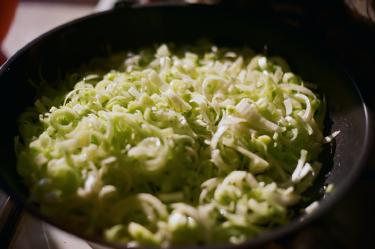
Start by cutting your cabbage into thin ribbons-about the width of fettuccine. This is more than for aesthetics. Matching the size of your pasta and vegetables means every forkful gets both components.
Heat a wide pan with olive oil and butter together. The combo matters. Olive oil handles higher heat without burning, while butter adds richness from the start. Toss in your cabbage ribbons with a generous pinch of salt.
Now comes the patience part. Cook that cabbage for 12-15 minutes, stirring occasionally. You’re looking for edges that turn golden brown and leaves that have shrunk to about half their original volume. Some pieces should be almost jammy while others keep slight texture.
While your cabbage transforms, boil your pasta in well-salted water. Save a cup of that starchy liquid before draining-it’s your secret weapon for smooth sauce.
Building Your Alfredo Foundation
Traditional Alfredo is just butter, parmesan, and pasta water. Simple ingredients, tricky technique. The cheese needs to emulsify into the butter without breaking or turning grainy.
For a more forgiving version, you can add cream. I won’t judge. A splash of heavy cream creates a sauce that stays smooth even if your timing isn’t perfect.
With your cabbage golden and soft, push it to the sides of the pan. Add more butter to the center-about three tablespoons for a pound of pasta. Let it foam slightly, then pour in half a cup of cream if using. Add your drained pasta directly to this pan.
Toss everything together over low heat. Sprinkle in freshly grated parmesan gradually, stirring constantly. Add pasta water a splash at a time until the sauce coats the noodles without being gloppy.
The cabbage should be mixed throughout, those tender ribbons now indistinguishable from the pasta at first glance.
Variations Worth Trying
Once you’ve nailed the basic version, start playing around.
**Add bacon or pancetta. ** Cook it first in your empty pan, remove the pieces, then use that rendered fat to sauté your cabbage. Crispy pork bits scattered on top make this feel like a restaurant dish.
**Try different cabbages. ** Savoy cabbage cooks faster and has a milder flavor. Napa cabbage works for a lighter take. Red cabbage turns everything slightly purple but tastes fantastic-just know your sauce will look unconventional.
**Throw in garlic and red pepper flakes. ** Add minced garlic in the last minute of cabbage cooking. A pinch of red pepper cuts through the richness and wakes up your taste buds.
**Mix in other vegetables. ** Shaved Brussels sprouts (cabbage’s smaller cousin) add nutty notes. Frozen peas contribute sweetness and color. Sautéed mushrooms bring earthiness.
**Swap the cheese. ** Pecorino Romano gives sharper, saltier flavor than parmesan. Fontina melts beautifully for an even creamier result. Gruyère works surprisingly well if you’re feeling fancy.
The Budget Angle Nobody Talks About
A head of cabbage costs between $1 and $3 depending on where you shop. That single head makes enough for 3-4 generous pasta servings.
Compare this to other vegetable pasta additions:
- Asparagus: $4-6 per bunch
- Artichoke hearts: $5-8 per jar
- Sun-dried tomatoes: $6-10 per jar
Cabbage delivers serious volume for minimal investment. When you’re feeding a family or stretching groceries until payday, this matters.
The entire dish-pasta, cabbage, butter, cream, cheese-runs about $2-3 per serving. Try finding another dinner that satisfying at that price point.
Common Mistakes and How to Avoid Them
**Overcrowding your pan. ** Cabbage needs room to brown, not steam. Work in batches if necessary. Steamed cabbage in Alfredo tastes sulfurous and sad.
**Using pre-shredded coleslaw mix. ** Those bags contain carrots and are cut for raw eating. The pieces are too small and cook unevenly. Slice a fresh head yourself.
**Adding cheese to boiling sauce. ** This guarantees stringy, clumpy results. Remove your pan from heat or keep it very low when incorporating parmesan.
**Skipping the pasta water. ** That starchy liquid helps everything come together. Without it, you’ll either have a dry dish or need to add so much cream it becomes soup.
**Forgetting to season the cabbage - ** Salt early and generously. Cabbage absorbs seasoning as it cooks. Under-seasoned cabbage means bland bites throughout.
What to Drink With It
This dish handles wine pairing well. A crisp white like Pinot Grigio or Sauvignon Blanc cuts through the cream. If you prefer red, go light-Pinot Noir or a young Barbera.
Honestly? A cold beer works great too. Something wheat-based or a pilsner complements the richness without competing.
And if you’re not drinking, sparkling water with lemon does the job. The bubbles cleanse your palate between bites.
Making It Ahead (Sort Of)
Pasta dishes with cream sauce don’t reheat perfectly-let’s be honest about that. But you can prep components in advance.
Cook your cabbage fully and refrigerate it for up to three days. The flavors actually concentrate and improve. When you’re ready to eat, reheat the cabbage while boiling fresh pasta. Make your sauce at the last minute.
Leftovers keep overnight but expect a thicker texture. Add a splash of milk or cream when reheating and stir over low heat. Won’t be identical to fresh, but still tastes good.
Give the Cabbage a Chance
Next time you’re wandering the grocery store wondering what to make for dinner, grab one of those unremarkable-looking cabbage heads. For the price of a fancy coffee, you’ve got the foundation for a genuinely delicious pasta dinner.
The technique takes maybe 25 minutes total. The ingredients probably live in your kitchen already. And the result? Way better than another boring bowl of buttered noodles.
Cabbage earned its spot in my regular rotation. Give it a shot and it might earn a place in yours too.