Brown Butter Basics: Nutty Flavor Magic
There’s a moment in cooking that feels like genuine magic. You’re standing at the stove, watching butter melt in a pan, and suddenly-the smell hits you. Toasted hazelnuts - warm caramel. Something deeply, impossibly good. That’s brown butter, and once you’ve made it, you’ll wonder why you ever used regular melted butter for anything.
What Actually Happens When Butter Browns
Butter is more than fat. It’s about 80% fat, sure, but there’s also water (around 15%) and milk solids (roughly 5%). Those milk solids are the stars of this show.
When you heat butter, the water evaporates first. You’ll hear it-that sizzling, bubbling sound. Once the water’s gone, the temperature climbs past 250°F and the milk solids start to caramelize. They transform from pale specks into golden-brown bits that sink to the bottom of your pan.
The Maillard reaction kicks in here too. Same chemical process that gives bread its crust and steak its sear. Amino acids and sugars combine under heat, creating hundreds of new flavor compounds. Your butter goes from one-dimensional richness to something complex and nutty.
The French call it beurre noisette-hazelnut butter. Not because it contains hazelnuts, but because it smells exactly like them.
Making Brown Butter: Easier Than You Think
You need a light-colored pan. Stainless steel or a lighter-colored saucepan works best. Dark nonstick pans hide the color change, and you’ll go from brown to burnt before you realize what happened.
Cut your butter into pieces. Doesn’t need to be precise-roughly one-inch chunks melt more evenly than a whole stick. Drop them in a cold pan.
Here’s where most recipes tell you to use medium heat. I prefer starting on medium-low. Takes a bit longer, but you get more control. Brown butter happens fast once it starts, and the difference between perfectly toasted and acrid burned mess? Maybe 30 seconds.
First, the butter melts. Then it starts bubbling vigorously-that’s the water cooking off. The bubbling will calm down - watch the color now. Swirl the pan occasionally. You’ll see the milk solids turning from white to tan to amber.
Smell it constantly. Your nose knows before your eyes do. When it smells like toasted nuts and the color matches light brown sugar, pull it off the heat immediately. Pour it into a heat-safe bowl right away. Leaving it in the hot pan means it keeps cooking.
The whole process takes about 5 minutes. Maybe 7 if you’re being careful, which you should be the first few times.
Why Brown Butter Makes Everything Better
Plain melted butter tastes like - butter. Rich, creamy, familiar. Brown butter tastes like butter that went to culinary school and came back sophisticated.
Those caramelized milk solids add depth. Sweetness without sugar - nuttiness without nuts. A slight bitter edge that balances richness. It’s butter turned up to eleven.
Think about where you use melted butter now. Drizzled over popcorn - tossed with pasta. Brushed on bread - poured over vegetables. Brown butter works in all those places and adds a dimension that makes people ask what your secret is.
Baked goods get an upgrade too. Brown butter cookies have cult followings for a reason. The flavor complements vanilla and chocolate while adding something unexpected. Pie crusts made with brown butter? Legitimately life-changing.
Real Uses That Actually Work
**Sage brown butter pasta - ** Classic for a reason. Cook your pasta, brown your butter, throw in some fried sage leaves, toss it all together. Finish with parmesan - takes fifteen minutes. Tastes like you spent hours.
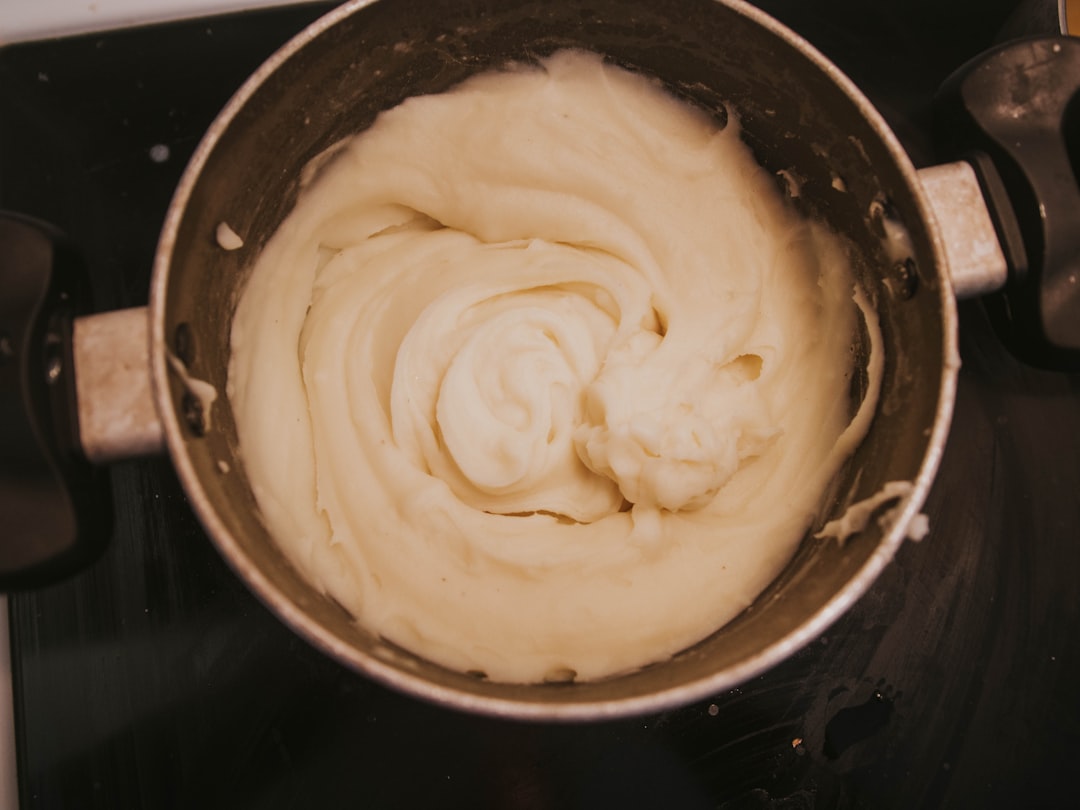
**Brown butter mashed potatoes. ** Instead of stirring cold butter into hot potatoes, drizzle in brown butter. The nuttiness cuts through the starchiness. Add a little of the toasted milk solid bits for texture.
**Vegetables. ** Roasted cauliflower or brussels sprouts, finished with a spoonful of brown butter and a squeeze of lemon. The acid brightens everything while the butter adds richness.
**Fish. ** Sole meunière is the classic-pan-fried fish with brown butter, lemon, and parsley. Works beautifully with any delicate white fish. The butter bastes the fish as you cook it, building flavor in layers.
**Baking. ** Brown your butter, let it cool completely (this matters-hot butter will scramble eggs), then use it wherever melted butter is called for. Chocolate chip cookies become deeper - brownies become more complex. Blondies become transcendent.
Troubleshooting Common Mistakes
**It’s taking forever - ** Your heat’s too low. Bump it up slightly, but watch carefully. The transition happens quickly once you’re in the right temperature range.
**It burned. ** Heat was too high, or you walked away. Black specks and a bitter smell mean you need to start over. No saving it - sorry.
**It’s not getting darker than golden. ** Make sure your butter is actual butter, not a butter blend or margarine. Those have different compositions and won’t brown the same way. Look for butter with at least 80% fat content.
**The milk solids stick and burn before the rest browns. ** Swirl more frequently. Some recipes suggest whisking constantly, but swirling works fine and keeps things moving without incorporating too much air.
**You can’t tell when it’s done. ** Trust your nose more than your eyes. If it smells nutty and amazing, it’s probably done. If it smells like something’s burning, it’s probably burning.
Storing and Making Ahead
Brown butter keeps well. Once cooled, store it in an airtight container in the fridge for up to two weeks. It solidifies-just like regular butter. Scoop out what you need and let it soften, or gently rewarm it.
I sometimes make a big batch on Sunday and use it throughout the week. Having brown butter ready to go means even a weeknight bowl of pasta feels special.
Pro tip: freeze it in ice cube trays. Pop out the cubes, store them in a freezer bag, and you’ve got perfectly portioned brown butter ready whenever you need it. Lasts months in the freezer.
A Few Things Worth Knowing
Browning removes water from butter - this matters for baking. If a recipe calls for softened butter and you substitute brown butter, the texture of your final product might change slightly. Usually still delicious, just different.
Salted or unsalted - either works. Salted butter will make saltier brown butter-the salt concentrates as water evaporates. I usually use unsalted and add salt separately so I can control the final seasoning.
The browned milk solids? Some people strain them out for a cleaner appearance. I think they’re the best part. All that flavor lives in those little brown bits. Keep them.
Clarified butter and brown butter aren’t the same thing. Clarified butter removes the milk solids entirely. Brown butter caramelizes them - opposite approaches, completely different results.
Start Simple
Your first brown butter project should be something forgiving. Toast a piece of good bread. Brown some butter - drizzle it on. Sprinkle with flaky salt.
That’s it - that’s the revelation.
Once you taste the difference-really taste it-you’ll start seeing opportunities everywhere. The scrambled eggs that need something. The rice that’s perfectly fine but could be better. A baked sweet potato that deserves more than a pat of regular butter.
Brown butter isn’t complicated. It’s not fancy technique requiring years of practice. It’s just butter, heat, and a few minutes of attention. But the payoff is enormous. Nutty, rich, complex flavor that transforms ordinary food into something memorable.
Grab some butter - find a light-colored pan. Pay attention. Your cooking is about to get a lot more interesting.