Braising Fundamentals: Low and Slow Cooking Mastery
There’s something almost magical about taking a tough, cheap cut of meat and transforming it into something so tender it falls apart at the touch of a fork. That’s braising - it’s not complicated. It doesn’t require fancy equipment - but it does reward patience.
If you’ve ever wondered how restaurants get their short ribs so impossibly tender, or how your grandmother made pot roast taste like heaven on a plate, braising is your answer.
What Exactly Is Braising?
Braising is a two-step cooking method. First, you sear your meat at high heat to build flavor through browning. Then you add liquid, cover the pot, and cook everything low and slow until the meat becomes tender.
The key - that covered pot. Unlike roasting, which uses dry heat, braising creates a moist environment where tough connective tissues break down into gelatin. This is why cuts that would be chewy and unpleasant when grilled become melt-in-your-mouth delicious after a few hours of braising.
You don’t need much liquid either. We’re talking about halfway up the meat, not submerging it completely. The covered pot traps steam, and that moisture does most of the work.
Choosing the Right Cut
but about braising: expensive cuts are actually the wrong choice. You want meat with lots of connective tissue and marbling. These are the cheaper cuts, the ones your butcher might call “working muscles.
For beef, look at chuck roast, short ribs, brisket, or oxtail. Pork shoulder (also called Boston butt) is perfect. Lamb shanks are classic. Chicken thighs braise beautifully, though they need much less time than beef or pork.
What you don’t want: tenderloin, loin chops, or any lean, tender cut. These will turn dry and stringy with long cooking. Save those for quick, high-heat methods.
The Browning Step Matters More Than You Think
I know it’s tempting to skip the searing step. You’re already committed to cooking something for three hours-why add another 15 minutes? But trust me on this.
When you sear meat in a hot pan, you trigger the Maillard reaction. That’s the chemical process that creates hundreds of new flavor compounds. It’s why a grilled steak tastes different from a boiled one, even if the internal temperature is identical.
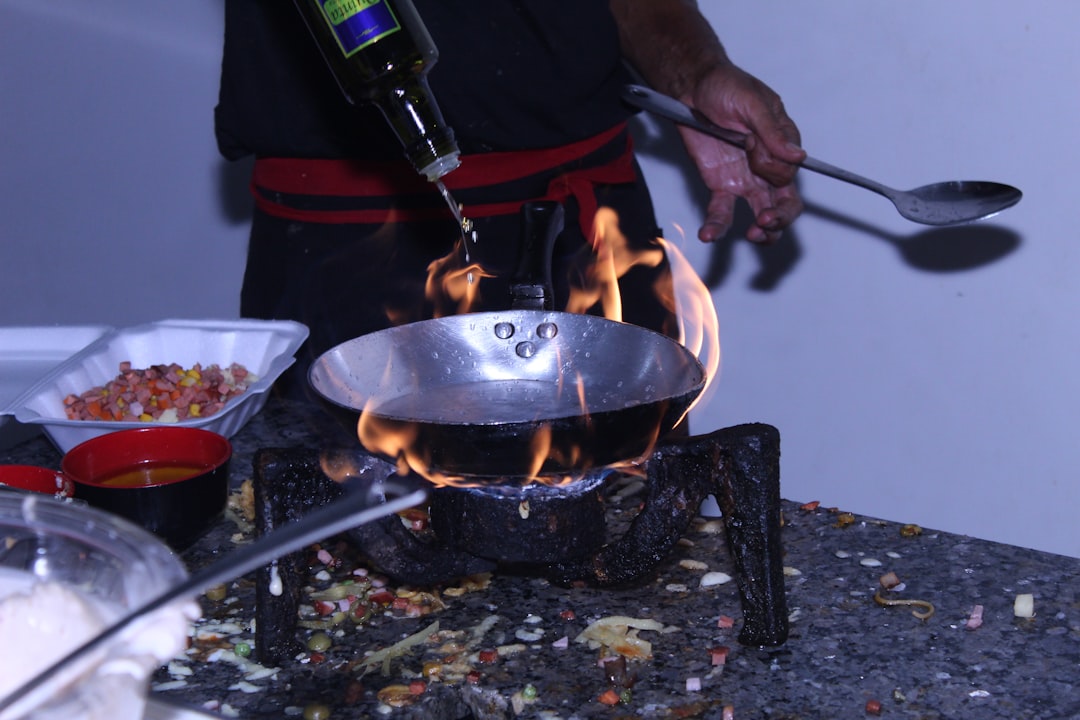
Pat your meat dry with paper towels before searing. Wet meat steams instead of browns. Get your pan smoking hot. Use a neutral oil with a high smoke point-vegetable, canola, or grapeseed work great. Don’t crowd the pan. If you have to work in batches, work in batches.
You’re looking for a deep brown crust on all sides. Not gray - not tan. Brown.
Building Your Braising Liquid
After you’ve browned the meat, remove it and build your liquid in the same pan. Those brown bits stuck to the bottom? That’s fond, and it’s pure flavor gold.
Start with aromatics. Onions, carrots, and celery (mirepoix) are traditional. Garlic goes in later since it burns easily. Sauté until the onions turn soft and translucent.
Now add your liquid. Wine is classic-red for beef, white for chicken or pork. Stock adds body - tomatoes contribute acidity and sweetness. Beer works beautifully with pork. Some combination of these usually works best.
Scrape up that fond while the liquid simmers. Add herbs. Bay leaves, thyme, and rosemary are safe bets. Fresh herbs go in at the end; sturdy ones can withstand the long cooking.
Nestle the meat back in. Liquid should come about halfway up the sides. Cover tightly.
Temperature: The Make-or-Break Factor
Most braises work best between 300°F and 325°F. That’s it.
Go too hot and the outside of your meat overcooks while the inside stays tough. Go too low and you’ll wait forever. The sweet spot is around 300°F for most cuts, maybe 325°F if you’re in a hurry.
Stovetop braising works too, but temperature control is trickier. You want the barest simmer-a bubble breaking the surface every few seconds. Aggressive boiling will toughen your meat.
How long - depends on the cut. Chicken thighs might be done in 45 minutes to an hour. Beef short ribs need 2 - 5 to 3. 5 hours - pork shoulder for pulled pork? Figure 4 to 6 hours.
The meat is done when a fork slides in and out easily. Not when a timer goes off. Meat doesn’t read recipes.
The Resting Period Nobody Talks About
Once your braise is done, here’s a move that separates good from great: let it rest overnight in the refrigerator.
I know - you’ve waited hours already. But when you refrigerate a braise, two things happen. First, the fat rises to the top and solidifies, making it easy to remove. Second, the flavors meld and deepen in a way that fresh-from-the-oven braises just can’t match.
Reheat gently the next day - your patience will be rewarded.
Common Mistakes and How to Avoid Them
**Too much liquid. ** Your braise shouldn’t be a soup. Halfway up the meat is plenty. The concentrated liquid becomes your sauce.
**Lifting the lid constantly. ** Every time you peek, heat and moisture escape. Trust the process. Check once an hour at most.
**Not deglazing properly. ** When you add liquid to the pan, scrape every bit of fond from the bottom. That’s where your flavor lives.
**Braising at too high a temperature. ** If your liquid is boiling vigorously, turn down the heat. Gentle is the name of this game.
**Not skimming the fat. ** Either refrigerate overnight and lift off the solid fat, or skim it with a spoon before serving. Too much fat makes the sauce greasy rather than rich.
A Simple Framework to Get You Started
Once you understand the technique, you can braise almost anything. Here’s a basic template:
- Season meat generously with salt and pepper
- Brown in batches in a heavy pot (Dutch oven is ideal)
- Remove meat, sauté aromatics in the same pot
- Add liquid and scrape up fond
- Return meat, add herbs, cover tightly
- Cook at 300°F until fork-tender
- Rest, skim fat, adjust seasoning
That’s the whole technique - everything else is variation.
Swap beef chuck for pork shoulder. Use coconut milk and lemongrass instead of wine and thyme. Add chipotles for a smoky kick. Once you’ve mastered the fundamentals, braising becomes endlessly adaptable.
Why This Matters Beyond the Recipe
Braising teaches patience in a way few other cooking methods do. You can’t rush it - you can’t shortcut it. You have to give the process time.
And there’s something grounding about that. In a world of 30-minute meals and instant everything, spending an afternoon with a pot of short ribs feels almost rebellious.
Plus, the economics make sense - those cheap tough cuts? They’re cheap because most people don’t know what to do with them. Now you do. A $15 chuck roast feeds a family of four with leftovers. Try doing that with ribeye.
So find a Sunday afternoon. Get yourself a nice Dutch oven. Buy the weird cut of meat your butcher recommends. And let the oven do the work while you live your life.
Your house will smell incredible - your dinner will be memorable. And you’ll wonder why you didn’t start braising sooner.