Black Currant Recipes: 2026's Breakout Flavor Star
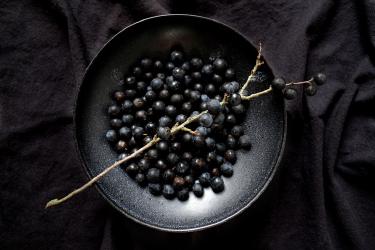
If you’ve been scrolling through food trends lately, you’ve probably noticed something deep purple popping up everywhere. Black currant is having a moment. And honestly - it’s about time.
This tart little berry has been a staple in European kitchens for centuries while Americans largely ignored it. (There’s actually a wild backstory involving a federal ban that lasted nearly a century, but that’s a rabbit hole for another day. ) The point is: black currant is officially mainstream now, and 2026 might be the year you finally figure out what to do with it.
What Does Black Currant Actually Taste Like?
but about black currant-it doesn’t taste like any berry you’re used to. Forget the sweetness of strawberries or the mild tang of blueberries. Black currant hits different.
Imagine mixing grape, raspberry, and a hint of something almost… earthy? There’s a tartness that makes your mouth water and a depth that regular berries just don’t have. Some people describe it as wine-like. Others say it reminds them of cassis liqueur (which, fun fact, is made from black currants).
The flavor is bold - unapologetic, even. Which is exactly why it works so well in recipes where you want fruit to actually taste like something.
Three Black Currant Recipes to Try This Week
Black Currant Shrub (Drinking Vinegar)
Shrubs are having their own renaissance right now, and black currant might be the perfect fruit for one. The natural tartness plays beautifully with vinegar, creating something that’s refreshing, complex, and oddly addictive.
You’ll need:
- 2 cups fresh or frozen black currants
- 1 cup sugar
- 1 cup apple cider vinegar
Mash the berries with sugar in a jar. Let it sit in your fridge for two days, stirring whenever you remember. Strain out the solids, add the vinegar, and shake. That’s it.
Mix two tablespoons with sparkling water for a non-alcoholic drink that actually tastes sophisticated. Or add it to gin - nobody’s judging.
Black Currant Fool
This British dessert sounds fancy but takes maybe fifteen minutes. A “fool” is just fruit folded into whipped cream. Simple as that.
Cook down a cup of black currants with three tablespoons of sugar until they burst and get jammy. Let it cool completely-this part matters because warm fruit will deflate your cream.
Whip a cup of heavy cream until it holds soft peaks. Fold in your cooled black currant mixture, but don’t mix it completely. You want streaks of purple running through white cream. Spoon into glasses, chill for an hour, done.
The contrast between the rich cream and sharp fruit is kind of perfect. It’s the dessert equivalent of sweet and sour.
Black Currant Glazed Pork Chops
Black currant works surprisingly well with savory dishes. The French figured this out ages ago-they’ve been pairing cassis with meat forever.
For the glaze, combine half a cup of black currant jam (store-bought is fine), two tablespoons of balsamic vinegar, a tablespoon of Dijon mustard, and a minced garlic clove. Season your pork chops with salt and pepper, sear them in a hot pan, then brush on the glaze during the last few minutes of cooking.
The result is this gorgeous glossy coating with fruity sweetness that cuts through the richness of the pork. Serve it with something simple-roasted potatoes, a green salad-and let the glaze do the talking.
Where to Find Black Currants
This used to be the tricky part. Fresh black currants are still somewhat seasonal and regional in the US.
Farmers markets - If you’re in New York, Oregon, or Connecticut, you might find fresh berries from June through August. Ask around.
Frozen section - More grocery stores are stocking frozen black currants now. Check near the mixed berries or in specialty sections.
Online - Several farms ship frozen black currants nationwide. Not cheap, but convenient.
Preserves and concentrates - Black currant jam and juice concentrate are easier to find and work great in most recipes.
And here’s a tip: frozen black currants actually work better than fresh in many recipes. The freezing process breaks down cell walls, so the fruit releases more juice and flavor when cooked.
Why 2026 Is Black Currant’s Year
Food trends don’t happen randomly. There are reasons black currant is everywhere right now.
First, people are bored with the same flavors. Açaí had its decade. Matcha is still around but feels routine. Black currant offers something genuinely different-a flavor profile that feels sophisticated without being intimidating.
Second, there’s growing interest in European food traditions. British baking shows have introduced Americans to things like Ribena (a black currant drink that’s basically the Kool-Aid of the UK) and black currant scones. We’re curious now.
Third, black currants pack a nutritional punch. They contain about four times more vitamin C than oranges, plus anthocyanins that give them that deep purple color. Health-conscious eaters are paying attention.
But honestly? The main reason is that it tastes good. Really good. And people are finally discovering that.
Tips for Cooking with Black Currants
A few things I’ve learned from experimenting:
**They need sweetness. ** Black currants are extremely tart on their own. Most recipes call for a 2:1 or even 1:1 ratio of fruit to sugar. Don’t skimp or you’ll end up with something bracingly sour.
**A little goes a long way. ** The flavor is intense. In baked goods, you can often substitute black currants for blueberries using about two-thirds the amount.
**They pair with warm spices. ** Cinnamon, cardamom, and star anise all complement black currant beautifully. Add a pinch to your next batch of black currant jam.
**Don’t overcook them. ** Black currants break down quickly. If you want them to hold their shape (in a tart, for example), add them late in the cooking process.
**Save the stems. ** Okay, this one’s optional, but black currant leaves and stems can be steeped into tea. Some people love the grassy, slightly fruity flavor.
What About Black Currant Drinks?
Beverages might actually be where black currant shines brightest. The flavor translates perfectly to liquid form.
Black currant lemonade is an obvious winner. Just add a few tablespoons of black currant syrup or concentrate to your regular lemonade recipe. The color alone is stunning.
Smoothies get an upgrade with frozen black currants. They blend smooth and add complexity without overwhelming other fruits. Try them with banana and a splash of orange juice.
Cocktails love black currant. The French have been mixing cassis with white wine (kir) and champagne (kir royale) for generations. But it also works in modern cocktails-muddled into a Moscow mule, shaken into a whiskey sour, or simply topped with prosecco.
And then there’s black currant tea, which might be the easiest entry point if you’re new to the flavor. Several brands make black tea blended with black currant, and it’s genuinely delicious-fruity without being cloying.
The Bottom Line
Black currant is more than another trendy ingredient that’ll disappear in six months. It’s been a beloved flavor in other parts of the world for hundreds of years. We’re just finally catching up.
Start simple. Grab some black currant jam and spread it on toast. Try a black currant soda from the fancy beverage section. Work your way up to making your own shrub or fool.
Once you develop a taste for that distinctive tartness, you’ll start seeing possibilities everywhere. Black currant cheesecake - black currant barbecue sauce. Black currant ice cream.
The flavor is bold, a little unexpected, and genuinely worth exploring. 2026 feels like the right time to finally give this berry the attention it deserves.