Black Currant Desserts: Baking With the Flavor of 2026
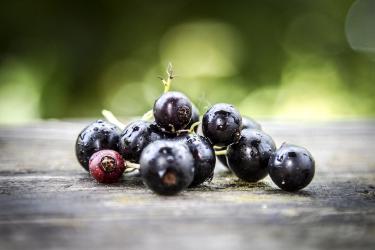
Have you ever bitten into something so unexpectedly delicious that it made you stop mid-chew and think, “Where has this been all my life? " That’s black currant for a lot of people. This tiny, deep purple berry packs a punch that sits somewhere between a blueberry and a sour cherry, with earthy undertones that make pastry chefs weak in the knees.
And 2026 - it’s officially black currant’s moment.
After years of playing second fiddle to açaí bowls and matcha everything, this European staple is finally getting the spotlight in American kitchens. Maybe it’s the growing interest in tart flavor profiles. Maybe it’s because we’ve collectively gotten bored with the same old raspberry and strawberry desserts. Whatever the reason, black currant is showing up everywhere-from fancy restaurant menus to home bakers’ Instagram feeds.
Why Black Currant - why Now?
Here’s a bit of berry trivia that might surprise you. Black currants were essentially banned in the United States for most of the 20th century. Farmers blamed them for spreading a fungus that killed white pine trees, so growing them became illegal in many states. The ban started lifting in the early 2000s, but it took a while for the fruit to regain its footing.
Fast forward to today. Younger bakers are discovering what Europeans have known forever: black currant brings something special to desserts. It’s not just sweet - it’s complex. There’s tartness, sure, but also this almost wine-like depth that plays beautifully against butter, cream, and sugar.
The 2026 flavor trend reports from food industry analysts keep pointing to “sophisticated fruit flavors” as a major movement. People want desserts that taste grown-up. Black currant delivers exactly that.
Getting Your Hands on Black Currants
Before we talk recipes, let’s address the practical stuff. Finding fresh black currants in the US can still be tricky depending on where you live.
Fresh berries show up at farmers markets from late June through August. They’re worth seeking out if you can find them. The texture is similar to a small grape with lots of tiny seeds inside.
Frozen black currants are your most reliable bet. Specialty grocery stores carry them, and they work perfectly for baking. No need to thaw before using in most recipes.
Black currant preserves and jams (often labeled as “cassis”) are at most well-stocked supermarkets. These work great for fillings and swirls.
Crème de cassis is a black currant liqueur that adds intense flavor to buttercreams and glazes. A little goes a long way.
Dried black currants look like tiny raisins and work in scones, cookies, and quick breads.
Three Black Currant Desserts Worth Making This Week
Black Currant Crumble Bars
These bars hit that perfect balance between buttery shortbread and jammy fruit filling. The tartness of the black currant cuts through the richness in a way that keeps you reaching for “just one more.
For the base and crumble, you’ll need 2 cups all-purpose flour, 1 cup cold butter (cubed), 3/4 cup sugar, 1/2 teaspoon salt, and 1 teaspoon vanilla. Pulse everything in a food processor until it looks like coarse sand with some pea-sized butter chunks remaining.
Press about two-thirds of this mixture into a 9x13 baking pan. The remaining third becomes your crumble topping.
The filling is simple: 2 cups black currant jam mixed with 1 tablespoon cornstarch and a squeeze of lemon juice. Spread it over the base, scatter the reserved crumble on top, and bake at 350°F for about 40 minutes until golden.
The smell alone will have people wandering into your kitchen asking questions.
Black Currant Fool
A fool is one of those old-school British desserts that deserves way more attention than it gets. It’s basically crushed fruit folded into whipped cream. That’s it. Takes maybe 15 minutes and tastes like you spent hours.
Simmer 2 cups of fresh or frozen black currants with 1/2 cup sugar until the berries break down and the mixture thickens slightly. This takes about 10 minutes. Let it cool completely-patience matters here, or your cream will melt.
Whip 2 cups heavy cream with 2 tablespoons powdered sugar until soft peaks form. Fold in most of the cooled black currant mixture, leaving some streaks for visual appeal. Spoon into glasses, drizzle the reserved compote on top.
Serve immediately or chill for up to 4 hours. The color is stunning-deep purple swirled through pale cream.
Black Currant Almond Cake
This is the recipe that converts skeptics. It’s a dense, moist cake where almond flour provides richness and black currants add pops of intense flavor throughout.
You’ll need:
- 1 1/2 cups almond flour
- 1/2 cup all-purpose flour
- 3/4 cup sugar
- 1/2 teaspoon baking powder
- 1/4 teaspoon salt
- 3 eggs
- 1/2 cup melted butter (cooled)
- 1 teaspoon almond extract
- 1 cup fresh or frozen black currants
Mix dry ingredients. Whisk wet ingredients separately, then combine. Fold in the black currants gently-they’re delicate. Pour into a buttered 9-inch round pan.
Bake at 325°F for 45-50 minutes. The lower temperature keeps the almond flour from getting too dark. A toothpick should come out with just a few moist crumbs.
Dust with powdered sugar. Or go fancy with a black currant glaze made from powdered sugar thinned with crème de cassis.
Tips for Working with Black Currants
A few things I’ve learned through trial and error:
**They stain everything. ** Your hands, your cutting board, that white dish towel you forgot to move. Wear an apron and embrace the temporary purple fingers.
**Balance the tartness. ** Black currants are more sour than most baking fruits. Most recipes need about 30% more sugar than you’d use for blueberries. Taste your compotes and fillings before using them.
**The seeds are there. ** Unlike raspberry seeds, black currant seeds aren’t really bothersome in most desserts. But if texture matters for your recipe, strain your compote through a fine mesh sieve.
**Pair strategically. ** Black currant loves almond, vanilla, dark chocolate, and cream cheese. It also plays well with warming spices like cardamom and ginger. Fresh mint is a surprisingly good garnish.
**Don’t overcook. ** The flavor gets more jammy and loses brightness when cooked too long. For the freshest taste, add some raw berries at the end of cooking, or save a portion of your compote before the full simmer.
Where Else Black Currant Works
Once you’ve got the basics down, black currant can go almost anywhere in your baking:
- Swirled into cheesecake batter
- Layered in a trifle with vanilla custard
- Baked into muffins (fold in frozen berries so they don’t sink)
- Reduced into a glaze for lemon or vanilla cakes
- Mixed into mascarpone for a quick fruit tart filling
- Added to brownie batter for a sophisticated twist
The flavor is distinctive enough to stand out but not so aggressive that it overpowers everything else on the plate.
The Bottom Line
Black currant isn’t difficult to work with. It’s just different. The tartness might catch you off guard the first time, but that’s exactly what makes these desserts memorable. In a world of overly sweet treats, something with a little edge stands out.
This year, give the trendy superfoods a break. Bake with a berry that’s been making Europeans happy for centuries. Your taste buds-and anyone lucky enough to eat your creations-will thank you.
Now go find some black currants and get baking. Your kitchen’s about to smell incredible.