Black Currant Desserts and Drinks: The It Flavor of 2026
Black currants have been hiding in plain sight for decades. While Americans largely forgot about this tart little berry (thanks, early 20th century farming bans), Europeans never stopped putting it in everything from jams to liqueurs. Now it’s 2026, and black currant is finally having its moment stateside.
So why the sudden obsession? Part of it’s the flavor-intensely fruity with a tartness that cuts through sweet desserts like nothing else. Part of it’s the deep purple color that photographs beautifully. And honestly? We’re all a little bored with the same raspberry-blueberry rotation.
What Makes Black Currant Different
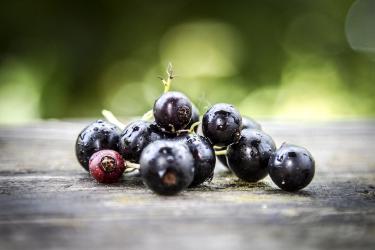
If you’ve never tasted a black currant, imagine a blueberry that went to finishing school and came back with opinions. The flavor hits you in layers: first sweetness, then a sharp tangy punch, finished with an almost wine-like depth. Fresh ones have an aroma that’s hard to describe-musky and floral also.
The tartness is the real star here. It’s more pronounced than most berries you’re used to, which makes black currants perfect for balancing rich desserts. A chocolate ganache that might feel heavy suddenly becomes interesting with black currant folded in. Cheesecake that could veer into cloying territory gets grounded by that acidic bite.
You’ll find black currants in a few forms:
- Fresh berries (seasonal, usually July-August)
- Frozen berries (available year-round at specialty stores)
- Crème de cassis (the classic French liqueur)
- Black currant preserves and jams
- Concentrated purees (great for cocktails)
For most recipes, frozen works perfectly fine. Fresh is lovely if you can get it, but the difference isn’t dramatic once you’re cooking or blending.
Three Desserts Worth Your Time
Black Currant Fool
This British classic deserves more attention. A fool is basically crushed fruit swirled through whipped cream-that’s it. The simplicity lets the black currant flavor shine without competition.
Take about a cup of black currants (fresh or thawed frozen) and cook them with three tablespoons of sugar over medium heat until they burst and get jammy. Maybe five minutes - let that cool completely. Whip a cup of heavy cream with a tablespoon of powdered sugar until it holds soft peaks. Fold most of the currant mixture through the cream, leaving streaks rather than mixing completely. Spoon into glasses and top with the reserved fruit.
The whole thing takes fifteen minutes. It looks impressive. Your guests will think you tried harder than you did.
Cassis Chocolate Truffles
Chocolate and black currant is one of those combinations that just works. The berry’s acidity prevents the chocolate from becoming one-note, and the flavors seem to amplify each other somehow.
Heat half a cup of heavy cream until it just starts to bubble around the edges. Pour it over 8 ounces of chopped dark chocolate (70% cocoa or so) and let it sit for two minutes. Stir until smooth, then add two tablespoons of crème de cassis. The mixture will seize up briefly-keep stirring, it’ll come back together.
Refrigerate until firm enough to scoop, about two hours. Roll into balls, then roll in cocoa powder. Store in the fridge.
These taste expensive - they’re not.
Black Currant Sorbet
Sorbet showcases fruit at its purest, and black currant’s natural tartness means you need less sugar than you might expect.
Make a simple syrup by dissolving three-quarters cup of sugar in one cup of water over heat. Let it cool. Puree two cups of black currants with the syrup and a tablespoon of lemon juice. Strain out the seeds (there are many seeds, be patient). Churn in an ice cream maker according to its directions.
The color alone is worth making this-a purple so deep it’s almost violet. And the flavor is clean and intense, perfect after a heavy meal.
Cocktails That Actually Impress
Crème de cassis has been around forever, mostly gathering dust in the back of liquor cabinets. Time to pull it forward.
The Kir Royale (Done Right)
You probably know this one: cassis and champagne. But ratio matters. Most bars pour way too much cassis, turning it into a sticky mess. You want about a teaspoon of cassis in the bottom of a flute, topped with dry champagne or sparkling wine. That’s it.
The drink should look pale pink, not purple. The cassis should add intrigue, not dominate. When someone takes a sip, they should think “what IS that? " not “oh, fruit syrup.
Black Currant Gin Sour
Gin’s botanical notes play beautifully against black currant’s complexity. This is my go-to when I want something that feels sophisticated but doesn’t require rare ingredients.
Combine two ounces of London dry gin, three-quarters ounce of fresh lemon juice, half an ounce of simple syrup, and half an ounce of crème de cassis. Shake hard with ice for about fifteen seconds. Strain into a coupe glass. If you’re feeling extra, add an egg white to the shaker for that silky foam on top.
Cassis Spritz
The Aperol spritz had its moment. This is better, frankly-less sweet, more interesting, and a color that actually stands out at a party.
Fill a wine glass with ice. Add one and a half ounces of crème de cassis and three ounces of dry prosecco. Top with a splash of soda water. Garnish with a lemon twist.
It’s refreshing without being watery, boozy without being heavy. Perfect for afternoons that turn into evenings.
Where to Find Black Currants
Here’s the tricky part. Black currants aren’t at every grocery store yet, though that’s changing.
Frozen section at specialty grocers - Stores like Whole Foods and Trader Joe’s have started stocking frozen black currants more regularly. Check near the frozen berries and açaí.
European delis and markets - If you have a Polish, Russian, or German market nearby, they almost carry black currant products. Jams, juices, and frozen berries are common.
Online - Several farms ship frozen black currants directly. It’s pricier with shipping, but if you’re serious about experimenting, buying a few pounds makes sense.
Farmer’s markets - During summer months, some farms in the Northeast and Pacific Northwest sell fresh black currants. They’re worth seeking out if you want the full experience.
For crème de cassis, any decent liquor store should have at least one option. Lejay and Mathilde are solid everyday choices. Spend a few extra dollars for a quality bottle-the cheap stuff tastes artificial.
Tips From Actual Experience
A few things I’ve learned from working with black currants over the past year:
**They stain everything. ** Your cutting board, your hands, your favorite dish towel. Work on surfaces you don’t mind turning purple, and wear an apron you don’t love.
**Fresh ones are seedy. ** More so than raspberries or blackberries. For smooth desserts and drinks, straining is non-negotiable. A fine-mesh strainer works, but a food mill works better.
**Sugar is your friend, but restraint is better. ** The instinct is to add sugar until the tartness disappears. Don’t. That tartness is the whole point. Start with less sugar than you think you need.
**They freeze beautifully. ** If you find fresh ones, buy extra. Spread them on a sheet pan, freeze solid, then transfer to bags. They’ll keep for months.
**Cassis and chocolate want each other. ** I mentioned this already, but it bears repeating. Any chocolate dessert benefits from a drizzle of crème de cassis or a few spoonfuls of black currant compote.
Black currant isn’t going to replace strawberries or lemons in anyone’s kitchen. But for those moments when you want something a little unexpected, a flavor that makes people pause and pay attention? This weird, tart, purple berry is exactly what you’re looking for.