Berbere Spice Guide: Ethiopian Heat in Modern Dishes
If you’ve ever wandered through an Ethiopian restaurant and wondered what makes everything smell so impossibly good, here’s your answer: berbere. This rust-red spice blend is the backbone of Ethiopian cooking, and honestly? It deserves a spot in your kitchen right next to salt and pepper.
What Exactly Is Berbere?
Berbere (pronounced “bear-bear-ay”) is a complex spice mixture that typically combines chili peppers, fenugreek, coriander, cardamom, black pepper, cinnamon, and a handful of other warm spices. The exact recipe varies wildly from family to family in Ethiopia and Eritrea. Some versions lean heavily into the heat. Others emphasize the sweeter, more aromatic notes.
The name comes from the Amharic word for “hot” or “pepper,” which tells you something about its character. But calling berbere just “hot” undersells it completely. There’s warmth, sure. But there’s also an earthy depth, a slight sweetness, and this almost wine-like complexity that builds as you cook with it.
Most commercial berbere blends contain anywhere from 10 to 20 different spices. The core players usually include:
- Dried chili peppers (often korarima or long peppers)
- Fenugreek seeds
- Coriander
- Cardamom
- Black pepper
- Cumin
- Ginger
- Cinnamon or cassia
- Allspice
- Cloves
Some recipes add nigella seeds, rue, or ajwain. Others incorporate dried garlic or shallots. The proportions matter tremendously.
The Heat Factor
Let’s talk about spiciness. Berbere is hot, but it’s not trying to destroy you. On a scale where cayenne pepper sits around 30,000-50,000 Scoville units, berbere typically lands somewhere between 5,000 and 15,000. That’s noticeable heat without being aggressive.
What makes berbere interesting is how the heat behaves. It doesn’t hit you immediately like a habanero would. Instead, it builds gradually as you eat, then fades into this warm glow. The fenugreek and cardamom create a cooling effect that balances the chili burn.
If you’re sensitive to spice, start with half the amount a recipe calls for. You can always add more.
Traditional Uses (And Why They Work)
In Ethiopian cuisine, berbere shows up everywhere. The most famous application is probably doro wat, a chicken stew that simmers for hours until the sauce turns thick and deeply flavored. The berbere basically melts into the cooking liquid, staining everything brick-red.
Kitfo, the Ethiopian version of steak tartare, gets seasoned with berbere-infused butter. Tibs (sautéed meat dishes) often get a generous dusting. Even simple lentil stews transform completely with a tablespoon or two.
The traditional cooking technique matters here. Ethiopian cooks typically bloom berbere in niter kibbeh (spiced clarified butter) before adding other ingredients. This fat-soluble process extracts flavors that water alone can’t reach. The spices become more integrated, less sharp.
Bringing Berbere Into Modern Cooking
Here’s where things get fun. Berbere works brilliantly in dishes that have nothing to do with Ethiopian food.
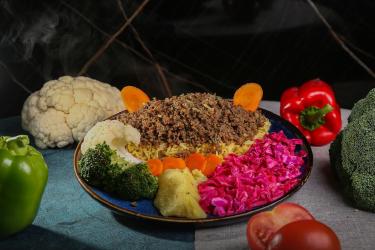
Roasted vegetables: Toss butternut squash, carrots, or cauliflower with olive oil and berbere before roasting at 400°F. The spice blend caramelizes slightly, creating these incredible crusty bits.
Compound butter: Mix softened butter with berbere and a pinch of salt. Melt it over grilled steak or use it to finish vegetables. The butter carries all those fat-soluble flavors directly onto whatever you’re eating.
Braised meats: Add berbere to your next pot roast or beef stew. Start with about a tablespoon per pound of meat. It plays surprisingly well with red wine and tomatoes.
Eggs: Scrambled eggs with a quarter teaspoon of berbere and some crumbled feta? Breakfast just got interesting.
Popcorn: Okay, hear me out. Toss hot popcorn with melted butter and berbere. Add a little honey if you want to lean into the sweet-heat thing.
Hummus: Swirl berbere-infused olive oil on top of hummus. The warm spices complement chickpeas naturally.
I’ve even used berbere in chocolate chip cookies. Just a half teaspoon in the dough. It sounds weird - it works.
Making Your Own vs. Buying
You can absolutely buy berbere pre-made. Brands like Penzeys, Burlap & Barrel, and Kalustyan’s make solid versions. For most home cooks, this is the practical choice.
But making your own - that’s a different experience entirely.
Start by toasting whole spices separately (they have different toasting times). Grind everything together while still warm. The smell alone justifies the effort. Fresh-ground berbere has this vibrancy that commercial versions can’t match.
A basic homemade recipe might look like:
- 2 tablespoons paprika
- 1 tablespoon cayenne (adjust to taste)
- 1 teaspoon fenugreek seeds, toasted and ground
- 1 teaspoon coriander seeds, toasted and ground
- ½ teaspoon black peppercorns, ground
- ½ teaspoon cardamom seeds, ground
- ¼ teaspoon cinnamon
- ¼ teaspoon ground ginger
- ⅛ teaspoon cloves
- ⅛ teaspoon allspice
Store it in an airtight container away from light. Use within three months for best flavor.
Common Mistakes to Avoid
Adding it too late: Berbere needs time and heat to develop. Sprinkling it on at the end gives you harsh, raw spice notes. Add it early in the cooking process.
Skipping the fat: Always bloom berbere in oil or butter first. Even just 30 seconds in hot fat makes a noticeable difference.
Using too much: Berbere is concentrated. A tablespoon goes a long way in most dishes. You can always add more, but you can’t take it out.
Ignoring balance: Berbere is bold. It needs something to push against. Acid (lemon juice, tomatoes, wine) helps. So does something rich and creamy.
Building an Ethiopian-Inspired Pantry
Once you’ve got berbere, you might want to explore further. A few other ingredients make Ethiopian-inspired cooking much easier:
Niter kibbeh (spiced butter): You can make this by simmering butter with garlic, ginger, fenugreek, cardamom, and other spices, then straining out the solids. Some stores sell it pre-made.
Injera: The spongy, slightly sour flatbread that’s both plate and utensil in Ethiopian dining. Hard to make at home, but many Ethiopian restaurants sell it.
Mitmita: Another Ethiopian spice blend, but simpler and hotter than berbere. It’s mostly ground bird’s eye chilies with cardamom and salt.
Korarima: Ethiopian cardamom. Different from green cardamom, with more eucalyptus notes. Worth seeking out if you make your own berbere.
Quick Recipe: Berbere Butter Beans
Here’s something you can make tonight with pantry staples:
Heat 2 tablespoons butter in a skillet over medium heat. Add 1 tablespoon berbere and stir for 30 seconds until fragrant. Dump in a drained can of butter beans or cannellini beans. Add a splash of water or stock, maybe ¼ cup. Let it simmer for 5 minutes, stirring occasionally, until the beans absorb the spiced butter. Finish with a squeeze of lemon juice and serve over rice or with crusty bread.
Takes 10 minutes. Feeds two as a side dish.
Where to Go From Here
Berbere is one of those ingredients that rewards experimentation. Once you understand how it behaves-the slow heat build, the way it blooms in fat, how it pairs with acid and richness-you’ll start seeing opportunities everywhere.
Try it in your next chili. Mix it into meatball mixture. Use it as a dry rub for pork shoulder. Stir it into tomato soup.
The worst that happens? You’ve made something slightly too spicy. The best? You’ve discovered a new favorite flavor combination.
Ethiopian cuisine has been around for thousands of years. Its flavors have serious staying power. And berbere is the best possible entry point.