Ancient Grains Comeback: Spelt Farro and Freekeh Basics
You’ve probably walked past spelt, farro, and freekeh in the grocery store a hundred times. They sit there on the shelf looking vaguely intimidating, maybe a little dusty, definitely unfamiliar. And you grab your usual rice or quinoa instead.
I get it - new grains feel risky. What if you cook them wrong? What if they taste like cardboard? What if your family stages a dinner rebellion?
But but. These ancient grains have been feeding humans for thousands of years. They were good enough for Roman gladiators and Egyptian pharaohs. They’re probably good enough for your Tuesday night dinner.
What Makes These Grains “Ancient” Anyway?
The term gets thrown around a lot, so let’s clear it up. Ancient grains are varieties that haven’t been significantly modified through modern breeding programs. They’re essentially the same grains your ancestors ate centuries ago.
Spelt, farro, and freekeh all fall into the wheat family, but each brings something different to your plate. They’ve got more personality than modern wheat. More texture - more flavor. And generally more nutrients too.
Modern wheat has been bred for yield and uniformity. These older varieties kept their quirks. That’s actually a good thing for your taste buds.
Spelt: The Gentle Gateway Grain
If ancient grains had a welcome committee, spelt would be running it. It’s mild, slightly sweet, and nutty without being aggressive about it. Think of it as wheat’s more interesting cousin.
Spelt originated around 5000 BCE in the Near East. It spread through Europe and became a staple until modern wheat pushed it aside. Germany kept the faith though. They still use spelt flour in breads and pastries.
Cooking spelt is straightforward:
- Rinse 1 cup of spelt berries
- Add to 3 cups of water with a pinch of salt
- Bring to a boil, then simmer for 45-60 minutes
- Drain any excess water
The texture lands somewhere between chewy and tender. It holds its shape well in salads and soups. Spelt also makes excellent flour for baking if you want to experiment. Just know it has less gluten strength than regular wheat, so your breads might be denser.
One heads up: spelt contains gluten. It’s not celiac-friendly despite what some wellness blogs claim. Some people with mild wheat sensitivities tolerate it better, but that’s not universal.
Farro: The Italian Staple That Deserves More Attention
Farro has been having a moment, and honestly it deserves one. This grain shows up on restaurant menus in grain bowls and risotto-style dishes for good reason. It’s got a satisfying chew and an earthy, almost cinnamon-like undertone.
Here’s where it gets confusing though. “Farro” actually refers to three different ancient wheats: einkorn (farro piccolo), emmer (farro medio), and spelt (farro grande). In the US, when you buy farro, you’re usually getting emmer.
The grain comes in three processing levels:
- Whole farro takes about an hour to cook and has all the bran intact
- Semi-pearled farro cooks in 25-30 minutes with some bran removed
- Pearled farro is the fastest at 15-20 minutes but loses some fiber
Most grocery stores stock semi-pearled or pearled. Check the package for cooking times since they vary.
My go-to farro method:
- Toast 1 cup of farro in a dry pan for 3-4 minutes until fragrant
- Add 2.5 cups of broth (chicken or vegetable)
- Simmer until tender but still chewy
- Season with good olive oil, lemon, and flaky salt
That toasting step isn’t mandatory, but it adds depth. Skip it when you’re short on time.
Farro works beautifully in place of rice or pasta. Toss it with roasted vegetables and feta. Stir it into soups during the last 30 minutes. Use it as a base for grain bowls with whatever protein you’ve got.
Freekeh: The Smoky Wildcard
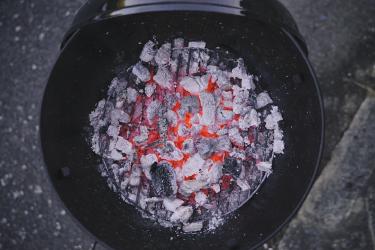
Freekeh is the rebel of the bunch. It’s not just an ancient grain-it’s an ancient grain that’s been roasted and smoked while still young and green. The result tastes like someone crossed wheat with a campfire. In the best way.
The name comes from the Arabic word “farik,” meaning “rubbed. " That refers to the traditional processing method where wheat is harvested early, sun-dried, then burned to remove the chaff. The young grains survive because of their high moisture content.
This gives freekeh a distinctive smoky, grassy flavor that’s hard to replicate with anything else. It’s popular throughout Middle Eastern and North African cuisines.
You’ll find freekeh sold two ways:
- Whole freekeh has intact grains and takes 35-45 minutes to cook
- Cracked freekeh cooks faster at 15-20 minutes with a porridge-like texture
Basic cooking approach:
- Rinse freekeh thoroughly
- Use a 1:2.5 ratio of grain to water
- Simmer until tender, checking after 20 minutes for cracked, 35 for whole
- Let it rest covered for 5 minutes before fluffing
The smoky quality makes freekeh fantastic in Middle Eastern-inspired dishes. Try it in tabbouleh instead of bulgur. Mix it with roasted lamb and herbs. Add it to lentil soup for extra body.
Fair warning: freekeh has a stronger flavor than spelt or farro. Some people love it immediately. Others need a few tries to appreciate it. Start by mixing it 50/50 with rice if you’re uncertain.
Practical Tips for Bringing Ancient Grains Home
So you’re convinced - or at least curious. Here’s how to actually make this work in real life.
**Start with one grain. ** Don’t buy all three at once. Pick whichever sounds most appealing and learn it properly before moving on. I’d suggest farro for beginners since it’s the most versatile.
**Cook in batches. ** All three grains keep well in the fridge for 4-5 days. Make a big pot on Sunday. Use it throughout the week. Cold grains work great in salads anyway.
**Don’t overcomplicate recipes. ** Ancient grains have enough flavor that they don’t need much help. Good olive oil, salt, acid (lemon juice or vinegar), and fresh herbs. That’s often enough.
**Check for freshness. ** These grains can go rancid if stored too long. Buy from stores with good turnover. Keep them in airtight containers away from heat and light. They’ll last about 6 months in a cool pantry, longer in the freezer.
**Soak if you want. ** An overnight soak reduces cooking time by about 30%. It’s not required, but it helps with digestibility for some people. Drain and rinse before cooking.
Where Ancient Grains Fit in Your Kitchen
These aren’t replacement grains - they’re additions. I still cook rice regularly - pasta too. But ancient grains fill gaps that other starches can’t.
Need something hearty for a winter grain bowl? Farro holds up to heavy dressings and roasted roots without getting soggy. Want a breakfast porridge with more character? Cracked freekeh with honey and nuts beats oatmeal sometimes. Baking bread and want more complexity? Spelt flour mixed with regular flour adds depth without being difficult.
The nutrition angle matters too. These grains generally pack more protein, fiber, and micronutrients than refined modern wheat. Farro has about 7 grams of protein per cooked cup. Freekeh brings selenium and manganese. Spelt offers magnesium and B vitamins.
But honestly? Cook them because they taste good. The nutrition is a bonus.
Give One a Try This Week
Pick up a bag of farro next grocery trip. Cook it simply with broth and olive oil. See what you think.
Worst case, you’ve got a new side dish that’s different from your usual rotation. Best case, you discover a whole category of ingredients you’ve been missing.
Those Roman gladiators knew something - these grains stick with you.