Air Fryer Fatigue: Why Precision Cookers Are Taking Over

Remember when everyone swore their air fryer would change their life? You probably got one too. Maybe it’s still on your counter. Maybe it’s migrated to that cabinet above the fridge where appliances open collect dust.
You’re not alone.
The Air Fryer Honeymoon Is Over
For about five years, air fryers dominated kitchen conversations. They promised crispy food without the guilt, faster cooking without the heat, and somehow, a complete lifestyle transformation. And look, they delivered on some of that. Frozen fries do come out pretty good. Reheated pizza - solid.
But here’s what nobody talked about: the limitations hit fast.
You can’t cook for more than two people without running multiple batches. The basket gets gross and stays gross no matter how much you scrub. Everything tastes vaguely like everything else you’ve ever cooked in there. And that “revolutionary” technology? It’s literally just a small convection oven with good marketing.
I’m not saying air fryers are bad. They’re fine - they do a thing. But the hype created expectations that a countertop appliance cooking with hot air was never going to meet.
Enter the Precision Cooker Revolution
Something shifted in 2025. Home cooks started asking different questions. Not “how do I make this faster? " but “how do I make this better? " That subtle change opened the door for a whole different category of appliances.
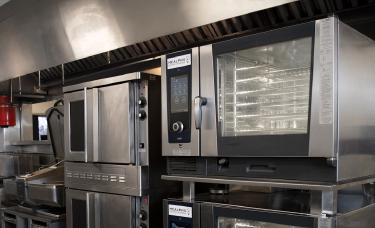
Combi ovens-once exclusively restaurant equipment costing thousands-started appearing in home-friendly versions. Brands like Anova, Brava, and even legacy companies like GE jumped in with countertop models under $700. Some dropped below $400.
These are more than fancy toaster ovens. Combi ovens combine convection heat with precise steam injection. You control the exact temperature and humidity level. Chicken breast at 145°F with 30% steam comes out impossibly juicy. Bread develops that crackly crust you thought required a commercial bakery.
The learning curve exists, sure. You’re not just pressing a “chicken nuggets” button. But the results? Nothing in your kitchen comes close.
What Precision Cooking Actually Means
Let’s get specific because “precision” gets thrown around loosely.
Traditional cooking relies on high heat and guesswork. You crank your oven to 400°F, hope the internal temperature actually matches that number (spoiler: it usually doesn’t), and pull food out when it looks done. Sometimes you nail it - sometimes dinner is dry sawdust.
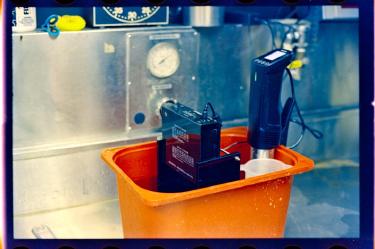
Precision cooking flips this entirely. You set the exact internal temperature you want your food to reach, and the appliance figures out how to get there. Sous vide pioneered this approach-sealing food in bags and cooking in temperature-controlled water baths. The results convinced even skeptics that temperature control matters more than cooking time.
Combi ovens brought sous vide principles to dry cooking. Steam prevents the surface from overcooking while the interior catches up. You’re not babysitting - the physics just works.
My personal wake-up call came with salmon. I’d been cooking salmon for twenty years and thought I knew what I was doing. Then I tried it in a combi oven at 125°F with steam assist. The texture was completely different-silky, barely flaking, nothing like the chalky fish I’d been serving guests.
The Real Reasons People Are Switching
Trend pieces usually claim people buy new appliances for convenience. That’s partially true. But talking to actual home cooks reveals messier motivations.
**Restaurant quality at home actually became possible. ** Not “restaurant-style” or “better than takeout”-actually comparable to good restaurant food. That used to require professional equipment and years of technique. Now it requires reading a manual and experimenting for a week.
**Meal prep got more interesting. ** Air fryers excel at reheating. Precision cookers excel at batch cooking proteins perfectly every time. Sunday protein prep becomes automatic when you know your chicken thighs hit exactly 165°F throughout, no dry edges, no questionable centers.
**Diet flexibility improved. ** Whether you’re doing keto, cutting for a competition, or just trying to eat more vegetables that don’t taste boiled to death, consistent results help. Broccoli roasted in a combi oven with a little steam stays bright green and snaps when you bite it. That matters when you’re eating it daily.
**Fewer kitchen failures - ** This one surprised me. Advanced equipment creating simpler outcomes seems backward. But precision removes variables - recipes just work. First attempts come out usable. The frustration cycle of trying something new, failing, and ordering pizza instead breaks down.
What About Cost?
Air fryers won on price point. $60-150 got you in the door. Precision cooking asks more upfront.
Entry-level combi ovens run $300-400 - good ones sit at $600-800. Premium models like the Anova Precision Oven (currently around $699 when discounted) or the Brava Glass ($995) approach four figures.
Here’s the calculation most people skip: cost per use over appliance lifetime.
That $89 air fryer used three times weekly for two years costs roughly $0. 57 per use. The $600 combi oven used the same frequency for five years (they’re built heavier) costs $0. 38 per use. And you’re getting dramatically better results.
Obviously, if you’d use the combi oven less often, the math changes. But most owners I’ve talked to use them more than their previous air fryers because the range of things they can cook well expands significantly.
Who Should Probably Stick With Air Fryers
Not everyone needs to upgrade. Some situations favor the simpler appliance.
You live alone and mostly reheat leftovers? Air fryer’s fine. Your cooking ambition tops out at frozen appetizers and quick breakfasts? Keep what you have. Counter space so limited you can barely fit a toaster? Combi ovens are chunkier-a real constraint.
And honestly? If you love your air fryer, keep using it. Appliances that actually get used beat theoretically superior ones collecting dust.
The switch makes sense for people who’ve hit air fryer limitations and want more control, more capacity, or just better food without attending culinary school.
Getting Started Without Overwhelm
If you’re considering the jump, some practical notes:
**Start with proteins. ** Chicken breast, pork tenderloin, salmon filets-these benefit most dramatically from precision control. You’ll see immediate improvement over your old methods.
**Ignore the preset buttons initially. ** Every combi oven comes with automatic modes. They’re fine - but you bought precision equipment. Learn to set temperature and steam percentage manually. It’s not complicated, and you’ll understand what’s actually happening.
**Accept the learning month. ** Your first few attempts will be experimental. Not bad, necessarily, but you’re learning a new instrument. Give yourself permission to adjust and iterate.
**Join a community. ** The Reddit sous vide community, Facebook groups for specific brands, even YouTube channels dedicated to combi cooking-other users have solved problems you’ll encounter. No need to figure everything out alone.
Where This Is All Heading
Kitchen appliance trends tend to overpromise in the hype phase and find their actual niche later. Air fryers landed as useful secondary appliances rather than the primary cooking method early marketing suggested.
Combi ovens seem headed somewhere different. The technology genuinely enables cooking that wasn’t accessible before. Prices keep dropping as competition increases. Counter-friendly sizes keep improving.
My prediction: within three years, combi ovens become as standard in serious home kitchens as stand mixers. Not everyone will own one. But everyone who cares about cooking will consider one.
The air fryer era taught home cooks that appliances could be specialized and convenient. The precision cooking era is teaching them that specialized and excellent aren’t mutually exclusive.
Your move.