AI-Powered Ovens: How Smart Appliances Change Cooking
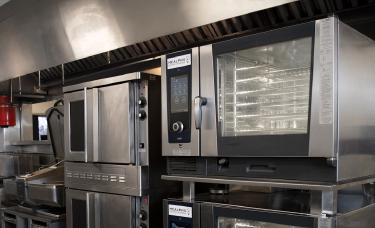
Your kitchen is getting smarter, and honestly? It’s about time.
I burned a frozen pizza last week. Set the timer, walked away, came back to something resembling charcoal with pepperoni. Meanwhile, my neighbor’s new smart oven apparently asks what you’re cooking and figures out the rest. We’re living in different centuries, clearly.
What Exactly Makes an Oven “Smart”?
So but about AI-powered ovens: they’re not just regular ovens with WiFi slapped on. That’s what we had five years ago. The new generation actually uses cameras, sensors, and machine learning to understand what’s happening inside.
Picture this: you slide a tray of chicken thighs into the oven. A camera identifies what you’re cooking. Temperature sensors track the internal temp of the meat. The oven adjusts heat distribution automatically-more from the top if you want crispy skin, backing off when the internal temp hits 165°F.
Brands like June, Tovala, and even Samsung’s Bespoke line are doing this now. June’s oven can recognize over 100 different foods. Just - recognize them. Like facial recognition, but for your pot roast.
The Temperature Control Thing Changes Everything
Manual temperature control is basically educated guessing. You set it to 375°F because the recipe said so, but your oven might run hot. Or cold. Mine runs about 15 degrees low-took me two years to figure that out.
Smart ovens eliminate this guessing game entirely.
They use multiple temperature probes and infrared sensors to monitor food continuously. When the surface is browning too fast, they reduce top heat. When the center’s not cooking fast enough, they compensate. One test by Consumer Reports found that AI-controlled ovens produced more consistent results across 50 identical dishes than conventional ovens managed in just 10.
But let’s be real about limitations. These systems work best with foods they’ve been trained on. Throw in your grandmother’s unusual casserole recipe, and the AI might struggle. It’s learning, not magic.
Recipe Detection: Helpful or Creepy?
Some smart ovens connect to recipe databases and can pull cooking instructions automatically. Scan a barcode on a meal kit, and your oven knows exactly what to do. Tovala built their entire business model around this-you buy their prepared meals, pop them in, scan the code, done.
For meal kit users, this is genuinely useful. No more squinting at tiny instruction cards. No more “wait, was it 400 or 450 degrees?
The creepy part - always-on cameras and constant connectivity. Your oven now knows what you eat, when you eat, how often you cook. That data goes - somewhere. Most companies say they use it to improve their algorithms. But if targeted ads for meal delivery services start appearing after you burn dinner, well, you’ll know why.
Real Talk: Who Actually Needs This?
Not everyone, honestly.
If you’re an experienced home cook who enjoys the process-adjusting by feel, checking doneness by touch-a smart oven might feel restrictive. It’s solving problems you don’t have.
But if you’re:
- Learning to cook and want training wheels
- Busy and need hands-off reliability
- Terrible at remembering timers (hi, that’s me)
- Cooking for dietary restrictions where precision matters
…then yeah, these appliances offer genuine value.
The June Oven runs about $600. Samsung’s smart ranges start around $1,800. Compared to regular ovens, you’re paying a premium-sometimes double. Whether that’s worth it depends entirely on how you cook and how much burnt pizza trauma you’re carrying.
What’s Coming Next
The tech is moving fast. Current smart ovens mostly react to what’s happening. Future versions will likely predict problems before they occur, adjusting preemptively based on food density, moisture content, even ambient kitchen humidity.
Some companies are experimenting with voice control that actually works. Not “set timer for 20 minutes” but “cook this steak medium-rare. " The oven handles everything else.
Integration with grocery apps and meal planning services is coming too. Imagine your oven checking what’s in your fridge (via a smart fridge, obviously) and suggesting what you could make. Or preheating itself because it knows you always start dinner at 6:30 PM on Thursdays.
Sounds convenient. Also sounds like one more thing to debug when your whole kitchen suddenly decides it doesn’t recognize your WiFi password.
The Bottom Line
AI-powered ovens represent a genuine shift in kitchen technology. They’re not perfect-they’re expensive, they raise privacy questions, and they work best within their training data. But for consistent results with minimal babysitting, they deliver.
My frozen pizza situation? Probably still my fault regardless of oven intelligence. But having technology that compensates for human distraction isn’t the worst thing.
If you’re in the market for a new oven anyway, trying one of these smart options makes sense. If your current oven works fine and you enjoy the cooking process, maybe wait another generation or two. The technology will get cheaper and smarter.
Either way, the future of cooking involves a lot more sensors and a lot less guesswork. Whether that excites or terrifies you probably says something about your relationship with technology in general.
Me? I’m just tired of scraping burnt cheese off baking trays.