AI-Powered Meal Planning Apps That Learn Your Taste
Your phone already knows what music you like, what shows you binge, and probably when you’re about to order takeout again. So why shouldn’t it know what you actually want to eat for dinner?
That’s the premise behind a new wave of AI-powered meal planning apps. They’re not just digital recipe boxes. These apps watch what you cook, learn what you skip, and gradually figure out your taste preferences better than you might yourself.
How These Apps Actually Learn Your Preferences
The technology behind personalized meal planning isn’t magic, though it can feel that way after a few weeks of use.
Most AI recipe apps start with an onboarding quiz. You’ll answer questions about dietary restrictions, cooking skill level, how much time you have on weeknights, and ingredients you hate. Standard stuff. But here’s where things get interesting.
Every time you save a recipe, the app notes it. Every time you mark something as “cooked,” it logs that too. Skip a suggested meal three times? The algorithm adjusts - rate a dish poorly? It learns. Some apps even track which recipes you actually open versus which ones you scroll past.
Whipisk, for example, uses what they call a “taste profile” that updates continuously. After about two weeks of regular use, their suggestions get noticeably sharper. The app figured out I prefer grain bowls over pasta and stopped pushing fettuccine recipes entirely.
Mealime takes a different approach. Their system focuses heavily on ingredient preferences and cross-references them with what’s typically on sale at grocery stores in your area. Practical - extremely. The AI component helps match sale items with recipes you’ll actually want to make.
The Personalized Nutrition Angle
Meal planning apps have evolved past simple calorie counting. The newer generation integrates with fitness trackers, sleep apps, and even menstrual cycle trackers to adjust nutritional recommendations.
Eat This Much connects with Apple Health and Google Fit to see your activity levels. Had a heavy workout? The app might suggest higher-protein meals. Been sedentary for a few days? It’ll dial back the carb-heavy options.
Nutrition personalization gets genuinely sophisticated with apps like Noom and ZOE. ZOE in particular uses actual blood glucose monitoring data (from a two-week sensor trial) to understand how your body responds to different foods. Then it builds meal plans around your individual metabolic responses. That’s not a gimmick-it’s based on research from King’s College London.
But let’s be real. Not everyone needs or wants that level of detail. If you’re just trying to eat more vegetables and stop ordering pizza every Thursday, simpler apps work fine.
What About Actually Cooking?
Here’s where some apps fall short. They’re great at suggesting meals but terrible at considering your actual kitchen situation.
The better AI recipe apps have started addressing this. Supercook lets you input exactly what’s in your pantry and fridge, then only shows recipes you can make right now. No frustrating “you have 8 of 9 ingredients” situations.
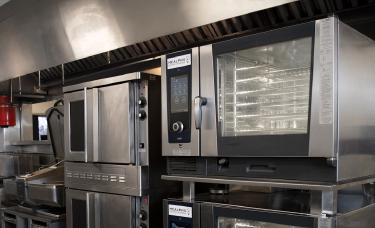
SideChef goes further with smart kitchen integration. Own a Thermomix or Instant Pot? The app adjusts cooking instructions specifically for your equipment. It’ll even send cooking temperatures directly to compatible smart ovens.
Yummly (owned by Whirlpool, so they’re definitely pushing the smart kitchen angle) connects with their smart appliances for semi-automated cooking. Preheat the oven from your phone, get alerts when it’s time to flip something, that kind of thing.
Is any of this necessary - no. Is it weirdly satisfying when it works? Absolutely.
The Grocery List Problem
Meal planning is only useful if you actually have the ingredients. Most AI cooking apps include automatic grocery list generation, but use varies wildly.
AnyList creates shopping lists organized by store section-produce, dairy, meat, etc. Small detail, huge time saver. The app learns your preferred brands over time too.
Paprika combines recipe management with grocery lists and a built-in browser that can clip recipes from any website. The AI component isn’t as sophisticated here, but the organizational tools are rock solid.
Mealboard offers something unique: a leftover tracker. Log what you have in the fridge, and it’ll suggest ways to use it before it goes bad. For anyone who’s thrown out wilted lettuce for the fifteenth time, this feature alone might be worth the app price.
Downsides Nobody Talks About
These apps aren’t perfect. A few honest frustrations:
**The learning curve takes time. ** Apps claiming to “learn your taste instantly” are overselling. Expect two to four weeks of mediocre suggestions before the algorithm catches up.
**Subscription creep is real. ** Many apps offer free tiers with limited recipes, then charge $10-15 monthly for full access. That adds up when you’re trying three different apps to find your favorite.
**Recipe quality varies. ** AI can suggest a recipe, but it can’t guarantee that recipe is actually good. User ratings help, but some apps have tiny communities with sparse feedback.
**Privacy concerns exist. ** These apps collect detailed data about your eating habits, health goals, and sometimes even your location (for grocery store integration). Read those privacy policies.
Which App Actually Works Best?
Depends entirely on what you need.
For busy weeknight cooking: Mealime. It generates quick recipes with streamlined grocery lists. No frills, just functional.
For dietary restrictions: Yummly. Their filtering for allergies, religious dietary laws, and specific diets (keto, Whole30, etc. ) is the most comprehensive.
For serious home cooks: Paprika - less AI, more organizational power. Great for people who already have recipes they love and just need to plan better.
For health optimization: ZOE or Noom, depending on whether you want metabolic data or behavioral coaching.
For smart kitchen enthusiasts: SideChef or Yummly, both with strong appliance integration.
For using what you have: Supercook. Nothing else matches its pantry-first approach.
Getting Started Without Overwhelm
Pick one app - just one. Download it, complete the onboarding honestly, and commit to using it for at least three weeks before judging.
During that time, actually interact with the suggestions. Rate recipes - mark things as cooked. Flag dishes you skipped and why. The AI needs data to work with.
Start with planning just three or four dinners per week. Trying to meal plan every single meal immediately leads to burnout. Trust me on this.
And don’t delete the app after one bad recommendation. Every algorithm makes mistakes early on. The question is whether it improves. Give it enough information and most of these apps genuinely do.
Meal planning used to mean flipping through cookbooks and scribbling on paper calendars. Now your phone can do most of the mental labor. That’s not lazy-that’s just smart use of technology you’re already paying for anyway.