Adaptive Cooking Techniques for Ancient Grains
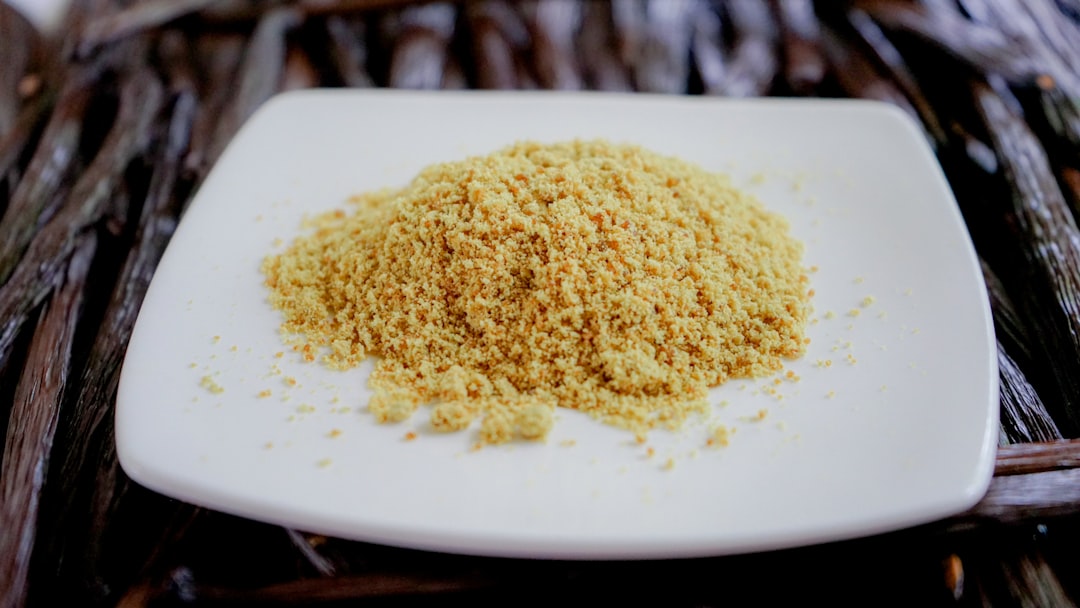
You’ve probably walked past those bags of teff and amaranth at the grocery store a hundred times. Maybe you’ve even bought quinoa once, cooked it wrong, and sworn off the whole ancient grains thing entirely. I get it.
But here’s the deal: these grains have been feeding civilizations for thousands of years. Ethiopian runners fuel marathon victories with teff. The Aztecs built empires on amaranth. And spelt? Europeans baked bread with it before wheat took over everything.
So why do so many home cooks struggle with them? Because we keep trying to cook them like regular rice or pasta. That approach doesn’t work.
Each Grain Has Its Own Personality
Think of ancient grains like different vegetables. You wouldn’t cook carrots the same way you cook spinach, right? Same principle applies here.
Quinoa is the friendliest of the bunch. It’s technically a seed, not a grain, which explains why it cooks faster (about 15 minutes) and has that slight crunch. The bitter coating on quinoa is called saponin. Rinse it for 30 seconds under cold water, and your quinoa won’t taste like soap. Simple fix.
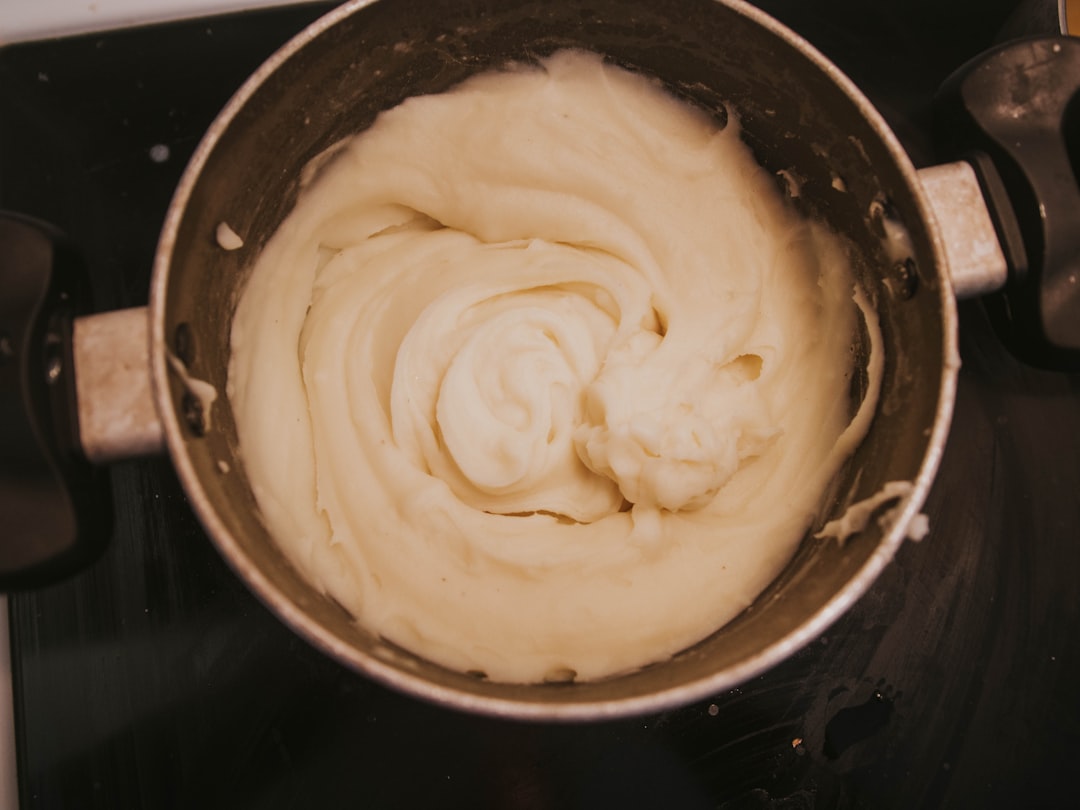
Teff is tiny - we’re talking poppy-seed tiny. This Ethiopian grain works best when you treat it like polenta instead of rice. Pour it slowly into boiling liquid, stir constantly for 12-15 minutes, and you’ll get a creamy porridge. Try cooking it like pilaf and you’ll end up with clumpy mush.
Amaranth gets sticky when boiled - really sticky. Some people hate this. I’ve learned to use it intentionally. Cook amaranth when you want something that holds together-think grain bowls where you don’t want everything sliding around your plate. Use a 1:2. 5 grain-to-water ratio and simmer covered for 20 minutes.
Spelt and Einkorn are ancient wheat relatives. They need soaking - not optional. Eight hours minimum, overnight ideally. Skip the soak and you’ll be chewing for an hour. These grains have tough outer layers that soften beautifully with time but resist quick cooking methods.
The Toasting Trick Nobody Tells You
Want to know the single technique that transformed how I cook ancient grains? Dry toasting.
Before adding any liquid, throw your grains in a dry pan over medium heat. Stir them around for 3-4 minutes until they smell nutty and some start to pop. This does two things: deepens the flavor considerably and creates a slightly more structured texture after cooking.
Toasting works especially well with quinoa and amaranth. Spelt and einkorn benefit less since they’re getting soaked anyway.
Here’s my standard approach for toasted quinoa:
- Rinse 1 cup quinoa, drain well
- Toast in dry pan until fragrant (3-4 minutes)
- Add 1. 75 cups broth or water (not 2 cups-that’s too much)
- Bring to boil, reduce heat, cover
- Simmer 15 minutes
- Let sit covered another 5 minutes
That resting period matters. Grains continue absorbing liquid off heat. Skip it and you’ll have excess moisture pooling at the bottom.
Matching Grains to Dishes
Not every ancient grain works in every recipe. I’ve made this mistake plenty of times.
For salads and grain bowls: Quinoa wins. It stays fluffy and separate, doesn’t get gummy when cold, and absorbs dressings without turning to paste. Farro works here too if you can find it.
For breakfast porridge: Teff is incredible. Cook it with milk instead of water, add a pinch of cinnamon, and top with honey. The texture reminds me of cream of wheat but with more character.
For baking: Spelt flour substitutes directly for wheat flour in most recipes at a 1:1 ratio. Just reduce your liquid by about 10% since spelt absorbs less. Einkorn flour needs more adjustment-use about 25% less flour than called for.
For soups and stews: Whole spelt kernels hold their shape through long cooking times. Add them during the last 45 minutes of simmering. They’ll soak up the broth flavors while keeping some chew.
For thickening: Amaranth’s stickiness becomes an asset here. Stir cooked amaranth into vegetable soups for body without adding cream or flour.
Common Mistakes and How to Fix Them
Problem: Quinoa tastes bitter - Fix: Rinse longer. Some brands need 2-3 minutes of rinsing, not just a quick splash.
Problem: Teff turns gummy. Fix: You’re stirring too much after it thickens. Stir constantly until it reaches porridge consistency, then stop completely.
Problem: Spelt never gets tender. Fix: Your soaking water was cold. Use room temperature water, and consider adding a splash of acid (lemon juice or apple cider vinegar) to help break down the bran.
Problem: Amaranth sticks to the pot. Fix: Lower your heat. Amaranth scorches easily on the bottom. Use a heavy-bottomed pan and keep the simmer gentle.
Problem: Einkorn bread is too dense. Fix: Einkorn has weaker gluten than modern wheat. Knead less (seriously, half the time you’d spend on regular bread dough) and let it rise longer.
Building Flavor Into the Grain
Water works fine for cooking grains. But why stop there?
Cooking liquid suggestions that actually work:
- Vegetable or chicken broth (obvious but effective)
- Coconut milk for teff porridge
- Half broth, half apple juice for autumn quinoa salads
- Mushroom stock for earthy spelt dishes
- Tomato juice (diluted with water) for amaranth headed into Mexican-inspired bowls
I also add aromatics directly to the cooking water. A bay leaf, some garlic cloves, a strip of lemon peel. These infuse the grain as it absorbs liquid. Remove them before serving.
Another move: finish cooked grains with fat. Butter, olive oil, coconut oil-a tablespoon stirred into still-warm grains makes everything taste richer. The fat coats each grain and carries flavor to your tastebuds more effectively.
A Simple Recipe to Start
Here’s something I make weekly - takes 25 minutes.
Toasted Quinoa with Lemon and Herbs
- 1 cup quinoa, rinsed
- 1.75 cups vegetable broth
- 2 tablespoons olive oil
- Zest and juice of 1 lemon
- 1/4 cup chopped fresh herbs (parsley, mint, or dill work well)
- Salt to taste
- Optional: 1/4 cup crumbled feta, handful of toasted pine nuts
Toast quinoa in dry pan. Add broth, bring to boil, reduce heat, cover, simmer 15 minutes. Rest 5 minutes covered. Fluff with fork, stir in olive oil, lemon zest and juice, and herbs. Season with salt.
That’s it. You can eat this warm, room temperature, or cold from the fridge the next day. It works as a side dish, stuffed into peppers, or topped with a fried egg for breakfast.
The Real Secret
Ancient grains don’t require special equipment or advanced techniques. They need attention. Different attention than modern grains demand.
Once you understand that teff behaves like polenta, that spelt needs overnight soaking, that amaranth wants to stick together-you stop fighting the ingredients. You start working with their natural properties instead.
And honestly? These grains taste better than regular rice once you get them right. More complex - more interesting. More satisfying.
Start with quinoa if you’re nervous. It’s the most forgiving. Then try teff porridge on a lazy Saturday morning. Work your way to spelt and einkorn when you’re ready for overnight soaking.
Your grocery store’s ancient grains aisle is waiting. Those dusty bags have been there long enough.