Black Currant Beyond Jam: Savory Uses for 2026 Flavor Star
Black currants have been sitting in the shadow of their sweeter cousins for way too long. While raspberries and blueberries hog the spotlight, this deep purple berry with its intense, almost wine-like flavor has been waiting patiently for its moment. And 2026? This is the year it breaks free from the jam jar.
If you’ve only ever tasted black currants as a spread on toast or mixed into a cordial, you’re missing out on something special. These berries bring a tart punch and earthy depth that works brilliantly in savory cooking. Think of them as the secret ingredient that makes people ask, “What’s in this?
Why Black Currants Work in Savory Dishes
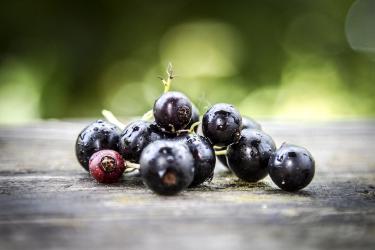
The magic of black currants lies in their complexity. They’re not just sweet or just tart. They carry notes of musk, pine, and something almost like freshly cut grass. This makes them surprisingly versatile when paired with meat, cheese, and even vegetables.
Their natural acidity cuts through rich, fatty dishes the same way a squeeze of lemon might. But unlike citrus, currants add body and color to your sauces. That deep purple hue is more than pretty on a plate-it signals the anthocyanins packed inside, compounds that also contribute to the berry’s distinctive taste.
Chefs in Scandinavia and Eastern Europe have known this for centuries. Black currant sauces alongside game meats are traditional in Sweden. Russian cuisine pairs them with duck and pork regularly. We’re not reinventing anything here-just rediscovering what other cultures figured out long ago.
A Sauce That Changes Everything
Let’s start with the most practical application: black currant sauce for meat.
You’ll need about a cup of fresh or frozen black currants. Fresh is ideal if you can find them at farmers’ markets between June and August, but frozen works perfectly fine. The freezing process actually helps break down cell walls, releasing more juice when you cook them.
Here’s a basic framework:
Toss your currants into a saucepan with a quarter cup of dry red wine, a tablespoon of balsamic vinegar, and two tablespoons of honey. Add a sprig of fresh thyme and a crack of black pepper. Bring it to a simmer and let it bubble for about 15 minutes until the berries burst and the liquid reduces by half.
Strain it if you want something sleek and restaurant-style. Leave it chunky if you prefer more texture.
- Pan-seared duck breast
- Grilled lamb chops
- Roasted pork tenderloin
- Venison steaks
- Even a good aged cheddar on a cheese board
The honey balances the tartness without making things cloying. And that thyme? It bridges the herbal notes already present in the berry.
Beyond the Sauce: Other Savory Ideas
Once you’ve got the basic sauce down, the possibilities open up.
Black currant gastrique takes things further. Combine equal parts sugar and vinegar in a pan, cook until the sugar caramelizes to amber, then add crushed currants and a splash of stock. This concentrated glaze works on everything from roasted root vegetables to grilled chicken thighs.
Compound butter is dead simple but impressive. Mash softened butter with dried black currants, a pinch of flaky salt, and some fresh sage. Roll it into a log, chill, and slice coins to melt over steaks or stirred into risotto just before serving.
Salad dressings benefit from black currant vinegar if you can find it, or make your own by steeping crushed berries in white wine vinegar for a week. The resulting vinaigrette over bitter greens like arugula or frisée creates a salad that actually holds its own as a course.
Stuffing and grain dishes welcome dried black currants the way raisins or cranberries might. But currants bring more sophistication-less sweetness, more depth. Try them in a wild rice pilaf with toasted walnuts and fresh parsley.
Working With Fresh vs - frozen vs.
Each form has its place in your kitchen.
Fresh black currants are ideal when you want that burst of juice and can control the cooking process precisely. They’re delicate though-use them within a few days of buying.
Frozen currants are your workhorse ingredient. They’re picked at peak ripeness and flash-frozen, which locks in flavor better than many “fresh” berries that traveled across continents. For sauces and compotes, frozen is actually preferable because you’re cooking them down anyway.
Dried black currants concentrate the flavor intensely. They’re shelf-stable for months and work well in applications where you don’t want extra liquid-stuffings, grain salads, cheese pairings. Rehydrate them in warm wine or stock for about 20 minutes before using if you want them plump rather than chewy.
One tip: black currants sold in the US are sometimes actually dried Zante currants, which are tiny grapes. True black currants will be labeled as such and often come from European or Canadian producers. Check your labels.
Pairing Principles to Remember
Certain flavors naturally complement black currants in savory contexts.
Herbs like thyme, rosemary, and sage echo the berry’s earthy, slightly resinous notes. Fresh mint works too, especially in Middle Eastern-inspired dishes.
Alliums-particularly shallots and red onion-add sweetness that plays off the tartness. Caramelized onions with black currant make a fantastic topping for flatbreads or bruschetta.
Rich meats benefit most because the acidity cuts through fat. Anything you’d serve with a red wine reduction can handle a black currant sauce instead.
Strong cheeses like aged gouda, blue cheese, or sharp cheddar stand up to the berry’s intensity without being overwhelmed.
Warming spices-black pepper, juniper, allspice-bridge sweet and savory applications. They’re common in traditional Scandinavian preparations.
What doesn’t work as well? Delicate white fish, subtle vegetables, or anything where you want other flavors to shine. Black currant doesn’t play backup - it takes center stage.
Getting Your Hands on Them
Americans face a unique challenge here. Black currant cultivation was banned in the US for most of the 20th century because the plants can carry a fungus that kills white pine trees. That ban has lifted in many states, but commercial availability still lags behind Europe.
Your best bets:
- Farmers’ markets in states where cultivation is now legal (New York, Vermont, Oregon, Connecticut, and others)
- Specialty grocery stores like Whole Foods during summer months
- Online retailers for frozen or dried options year-round
- Growing your own if you’ve got garden space-the bushes are hardy and productive
Frozen black currant purée from European brands can be found in specialty food shops or ordered online. This works great for sauces and eliminates the work of straining.
A Simple Weeknight Application
All this might sound like weekend project territory. But here’s something you can pull off on a Tuesday night.
Take boneless, skin-on chicken thighs - season with salt and pepper. Sear them skin-side down in a hot cast iron pan until the skin is crispy-about 7 minutes. Flip, cook another 5 minutes, then remove to a plate.
In the same pan with all those chicken drippings, add a diced shallot. Cook until soft. Pour in half a cup of chicken stock, scraping up the browned bits. Add a handful of frozen black currants and a splash of balsamic. Let it simmer for 5 minutes while the chicken rests.
Spoon the sauce over the chicken. Dinner’s done.
No special skills required. No obscure ingredients beyond the currants themselves. Just good technique meeting an ingredient that does a lot of heavy lifting.
The Bottom Line
Black currants deserve a permanent spot in your savory cooking rotation. They bring acidity, color, depth, and that indefinable something that elevates simple proteins into memorable meals.
Start with a basic sauce - branch out from there. And the next time someone at your dinner table asks what your secret is, you’ll have an answer that’s not quite what they expected.