Metabolic Eating: Timing Your Meals for Blood Sugar Control
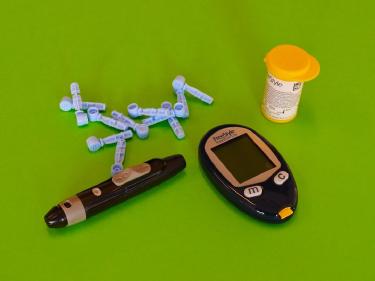
You’ve probably heard that what you eat matters. But here’s something that might surprise you: when you eat could be just as important for keeping your blood sugar steady.
Metabolic eating isn’t some trendy diet plan. It’s really about working with your body’s natural rhythms instead of against them. And the science behind it is pretty fascinating once you dig in.
Your Body Runs on a Schedule
Your metabolism isn’t a constant engine humming along at the same rate all day. It fluctuates - a lot.
In the morning, your body is primed to handle carbohydrates. Insulin sensitivity peaks in the early hours, which means your cells are better equipped to pull glucose from your bloodstream and use it for energy. By evening - that sensitivity drops significantly.
Researchers at Brigham and Women’s Hospital found that eating identical meals at different times produced wildly different blood sugar responses. The same pasta dish that caused a modest glucose bump at noon created a much larger spike when eaten at 8 PM.
This isn’t about willpower or discipline. It’s biology.
The Circadian Connection
Your circadian rhythm-that internal 24-hour clock-doesn’t just regulate sleep. It controls hormone release, digestive enzyme production, and how efficiently your pancreas pumps out insulin.
Think of your metabolism like a factory with shift changes. The morning crew shows up energized and ready to process whatever comes their way. The night shift? They’re slower, less efficient, and honestly kind of grumpy about the whole thing.
When you eat late at night, you’re essentially asking that skeleton crew to handle a full workload. The result: glucose lingers in your bloodstream longer than it should.
Practical Meal Timing Strategies
So what does this look like in real life? Here are some approaches that actually work.
**Front-load your calories. ** Aim to consume about 70% of your daily food intake before 3 PM. This doesn’t mean skipping dinner entirely-just making it lighter. A 600-calorie breakfast and 400-calorie dinner makes more metabolic sense than the reverse.
**Create a consistent eating window. ** Your body adapts to patterns. If you eat breakfast at 7 AM one day and skip it entirely the next, your metabolism can’t predict when to ramp up or down. Pick an eating window (say, 8 AM to 7 PM) and stick with it most days.
**Give your digestive system a break before bed. ** Finishing your last meal 3-4 hours before sleep allows your body to complete most of the digestive heavy lifting while you’re still upright and active. Going to bed on a full stomach forces your system to work when it’s supposed to be recovering.
But but-perfection isn’t required - life happens. Sometimes dinner runs late because of work or kids or traffic. The goal is establishing a general pattern, not obsessing over every meal.
What About Breakfast?
The breakfast debate never seems to end. Is it really the most important meal? Should you skip it for intermittent fasting benefits?
The answer depends on your goals and your body.
For blood sugar management specifically, eating something in the morning appears to help. A 2019 study in the Journal of Clinical Endocrinology & Metabolism showed that skipping breakfast led to higher glucose spikes after lunch-even when total daily calories were identical.
Your morning meal doesn’t need to be elaborate. Some protein, a bit of fat, and complex carbs will do the job. Think eggs with whole grain toast, Greek yogurt with berries, or oatmeal with nuts.
And no, a grande mocha with extra whip doesn’t count as breakfast. Sorry.
The Protein-First Approach
Here’s a simple trick that makes a measurable difference: eat your protein and vegetables before your carbohydrates.
A study from Weill Cornell Medical College found that when participants ate chicken and salad before bread and orange juice, their blood sugar rose 29% less than when they ate the same foods in reverse order.
Why does this work? Protein and fiber slow gastric emptying-the rate at which food leaves your stomach. When carbohydrates arrive in your small intestine more gradually, glucose enters your bloodstream at a more manageable pace.
So at dinner, maybe start with that grilled salmon and roasted broccoli. Save the rice for the second half of the meal. Small change, real impact.
Common Mistakes People Make
**Eating too little during the day, then overcompensating at night. ** This pattern wrecks your blood sugar rhythm. If you’re starving by 7 PM, you probably didn’t eat enough earlier.
**Snacking constantly. ** Every time you eat, your body releases insulin. If you’re nibbling every hour, you’re never giving that system a rest. Aim for defined meals with longer gaps between them.
**Ignoring individual variation. ** Some people genuinely feel better eating smaller, more frequent meals. Others thrive on two larger ones. Pay attention to your own energy levels and hunger signals.
**Obsessing over perfection. ** Stress also raises blood sugar. If rigid meal timing causes you anxiety, that defeats the purpose.
What the Research Really Shows
Most metabolic eating studies show modest but consistent benefits. We’re talking about 5-15% improvements in post-meal glucose levels for most people. That might not sound dramatic, but over months and years, those small differences compound.
For people with prediabetes or type 2 diabetes, the effects tend to be more pronounced. One study found that time-restricted eating (limiting food to a 10-hour window) reduced fasting glucose by about 5 mg/dL in participants with metabolic syndrome.
This isn’t a cure. It’s one useful tool among many.
Making It Work For You
Start simple. Pick one change-maybe finishing dinner earlier or eating a real breakfast-and stick with it for two weeks. Notice how you feel. Check your energy levels in the afternoon. Pay attention to whether you’re sleeping better.
If you have diabetes or take medication that affects blood sugar, talk to your doctor before making significant changes. Meal timing adjustments can alter how medications work, and that’s not something to experiment with casually.
For everyone else? The beauty of metabolic eating is that it doesn’t require special foods, supplements, or expensive programs. You’re just adjusting when you eat what you’re already eating.
Your body already knows how to do this. You’re just learning to listen.