Black Currant Recipes: The Tart Berry Dominating 2026
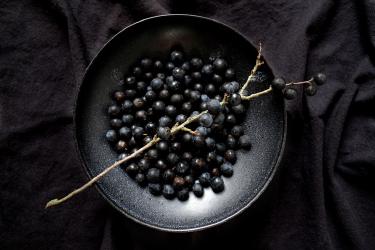
You’ve probably walked past black currants in the grocery store a hundred times without giving them a second glance. Small, dark, unassuming. Maybe you assumed they were just fancy raisins or some obscure ingredient your grandmother used to cook with.
Big mistake.
Black currants are having their moment right now, and honestly? It’s long overdue. These tiny berries pack a flavor punch that makes blueberries taste like water. Tart, complex, almost wine-like. Once you try them, regular berries start feeling a bit… boring.
Why Black Currants Are Everywhere Right Now
but about food trends: they usually circle back around. Black currants were actually banned in the United States for most of the 20th century because they carried a fungus that threatened the logging industry. Wild, right? The ban lifted decades ago, but American palates never really caught on. Until now.
Europeans have been obsessed with these berries forever. In France, cassis (black currant liqueur) is practically a kitchen staple. British jam makers consider them essential. And Scandinavian countries put them in everything from desserts to savory sauces.
What changed - a few things converged. The craft cocktail movement brought cassis back into bars. Health-conscious eaters discovered that black currants contain four times the vitamin C of oranges. And food media started pushing tart, complex flavors over the super-sweet profiles that dominated the 2010s.
Plus, they photograph beautifully. That deep purple-black color pops on a plate.
Getting Started: What to Know Before You Cook
Fresh black currants have a short season-usually July through August. Outside that window, you’re looking at frozen, dried, or preserved options. Frozen works great for cooking and baking. Dried currants (not the same as dried Zante currants, which are actually tiny grapes) concentrate the flavor intensely.
One warning: raw black currants straight from the container taste aggressively tart. Some people love this. Others make a face and wonder what the fuss is about. Cooking mellows them considerably and brings out their natural sweetness.
When shopping, look for berries that are firm and deeply colored. Avoid any with mold or excessive mushiness. Fresh ones keep in the fridge for about a week, though they’re best used within a few days.
Simple Black Currant Compote (Your Gateway Recipe)
If you’re new to cooking with black currants, start here. This compote takes fifteen minutes and works on everything-toast, yogurt, ice cream, pork chops, cheese plates.
Grab two cups of black currants (fresh or frozen), half a cup of sugar, a quarter cup of water, and a squeeze of lemon juice. Throw everything in a saucepan over medium heat. Stir occasionally. The berries will burst and release their juices after about ten minutes. Once it reaches a jammy consistency, you’re done.
That’s it - seriously.
The ratio of sugar to berries matters though. Black currants are tart enough that under-sweetening makes the compote almost unpleasantly sour. Taste as you go and adjust. Some batches need more sugar than others depending on ripeness.
Black Currant Glazed Chicken Thighs
Savory applications are where black currants really shine. The tartness cuts through rich, fatty proteins like nothing else.
For four chicken thighs, you’ll make a quick glaze: half a cup of black currant preserves (or your homemade compote), two tablespoons of soy sauce, one tablespoon of balsamic vinegar, a minced garlic clove, and some cracked black pepper.
Season the thighs with salt and sear them skin-side down in a hot oven-safe pan until crispy. Flip them, brush generously with the glaze, and finish in a 400°F oven for about twenty-five minutes. Brush more glaze halfway through.
The result tastes sophisticated-like something from a nice restaurant. But the actual effort involved - minimal. The glaze does all the heavy lifting.
Leftover glaze keeps in the fridge for weeks. It’s excellent on salmon, pork tenderloin, or even roasted vegetables like carrots and parsnips.
Black Currant Fool (The Easiest Fancy Dessert)
A fool is basically fruit folded into whipped cream. It sounds almost too simple to be good. It is good though - ridiculously good.
Whip a cup of heavy cream with two tablespoons of powdered sugar until soft peaks form. Make a quick black currant compote (see above) and let it cool completely. Fold the compote through the cream, leaving streaks rather than mixing uniformly.
Serve in glasses with a shortbread cookie on the side.
The contrast between the rich cream and tart fruit creates something greater than either component alone. And the purple swirls look gorgeous. People will think you put in way more effort than you did.
Want to make it fancier? Add a splash of cassis liqueur to the compote. Toast some sliced almonds for garnish. Layer it with crumbled meringue for an Eton mess variation.
Black Currant Shrub for Cocktails (and Mocktails)
Shrubs-drinking vinegars-sound weird if you’ve never tried them. They’re essentially fruit preserved in vinegar and sugar, creating a syrup that’s tangy, sweet, and incredibly refreshing mixed with sparkling water or spirits.
Combine two cups of black currants with one cup of sugar in a jar. Mash them together, cover, and refrigerate for two days. Strain out the solids, pressing to extract all the juice. Add three-quarters cup of apple cider vinegar to the liquid. Bottle and refrigerate.
Mix an ounce or two of shrub with sparkling water for a non-alcoholic drink that tastes complex and adult. Add vodka or gin for a cocktail. The vinegar backbone makes it surprisingly thirst-quenching.
This stuff lasts months in the fridge. Make a big batch when berries are in season and you’ll have interesting drinks all winter.
Baking With Black Currants
Black currants work in most recipes that call for blueberries, though you’ll want to increase the sugar slightly. Their tartness intensifies during baking.
Scones are a particularly good match. The British figured this out ages ago. Replace blueberries with black currants in your standard scone recipe, add a tablespoon of extra sugar, and brace yourself for the best scones you’ve ever made. The berries create little pockets of intense flavor throughout.
Muffins work similarly. So do crisps, crumbles, and galettes. For pies, mix black currants with a sweeter fruit like apples or pears to balance the tartness without drowning it.
One technique worth trying: toss dried black currants into bread dough or cookie batter. They rehydrate slightly during baking, creating chewy, flavorful bursts. Oatmeal cookies with dried black currants and white chocolate chips might sound strange. Trust me on this one.
Where to Find Black Currants
Farmers markets during summer are your best bet for fresh berries. Some specialty grocery stores stock them seasonally too.
Frozen black currants hide in the freezer section of well-stocked supermarkets, often near other specialty berries. IKEA’s food market reliably carries them, weirdly enough.
Black currant preserves and jams appear in the international aisle-look near British imports. For cassis liqueur, any decent liquor store should have at least one brand.
Online ordering opens up more options if local sources fail you. Several farms ship frozen berries directly. The price per pound runs higher than common berries, but the intense flavor means a little goes further.
Final Thoughts
Black currants aren’t difficult to cook with once you understand their personality. They’re tart - they’re bold. They don’t fade into the background.
Start with the compote - branch out from there. Before long, you’ll find yourself reaching for black currants the way you used to grab raspberries or strawberries-automatically, without thinking.
And honestly? That’s how food trends should work. Not because something is trendy, but because you genuinely love how it tastes.