Eastern European Comfort Food: Pierogi Borscht and Beyond
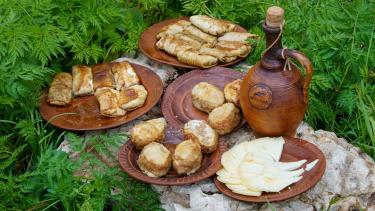
My grandmother’s kitchen always smelled like onions cooking in butter. That warm, slightly sweet aroma meant one thing: pierogi were coming. Growing up in a Polish-American household, I didn’t realize how lucky I was until college, when my roommate asked why I was “folding dumplings by hand like some kind of medieval peasant.
That medieval peasant food? It’s having a serious moment right now.
Why Eastern European Food Deserves Your Attention
For decades, Eastern European cuisine got overlooked in America. French cooking was sophisticated - italian was romantic. And Polish, Ukrainian, or Russian food? That was just “heavy peasant fare. " Which, honestly, isn’t wrong. But heavy peasant fare is exactly what you want on a Tuesday night in February when it’s 12 degrees outside.
These recipes were built for survival. Hearty - filling. Made from cheap ingredients that could feed a family of eight on a factory worker’s wages. Cabbage, potatoes, beets, pork fat, sour cream. Nothing fancy - everything delicious.
And here’s what I love most: the techniques are approachable. You don’t need specialty equipment. You don’t need a culinary degree. Users need patience, a rolling pin, and maybe a bottle of decent vodka for yourself.
Pierogi: The Dumpling That Started a Thousand Arguments
Ask five Polish grandmothers how to make pierogi, and you’ll get seven different answers. Some swear by sour cream in the dough. Others say that’s heresy. The filling debate alone could fuel a documentary.
But let’s talk basics.
Pierogi dough is simple: flour, eggs, water, a pinch of salt, and sometimes sour cream or butter. You want it smooth and pliable, not sticky. Rest it for at least 30 minutes-this is non-negotiable. That rest period lets the gluten relax, making rolling easier and the final texture more tender.
The classic fillings break down into a few camps:
Ruskie (Russian-style): Don’t let the name fool you. This is a Polish recipe from a region that was historically contested territory. Mashed potatoes mixed with farmer’s cheese (twaróg) and sautéed onions. Simple - perfect.
Meat: Ground pork or beef, cooked with onions, sometimes mixed with sauerkraut. My uncle insists on adding a splash of pickle juice. I’m not convinced.
Sauerkraut and mushroom: The traditional Christmas Eve option for Catholic families observing meatless fasting. The dried forest mushrooms give it this incredible earthy depth.
Sweet: Farmer’s cheese with sugar, or fresh berries in summer. Served with sour cream and maybe a dusting of powdered sugar.
The technique matters as much as ingredients. Roll your dough thin-about 3mm. Cut circles with a glass or round cutter. Put a tablespoon of filling slightly off-center, fold, and pinch the edges firmly. Some people crimp. Some people press with fork tines. Some people just squeeze and hope for the best.
Boil them first, always. About 3-4 minutes after they float. Then the real decision: eat them boiled with butter and onions, or fry them until the edges get crispy and golden?
Both answers are correct.
Borscht: More Than Just “That Red Soup”
Borscht confuses people. The name covers dozens of different soups across Poland, Ukraine, Russia, and beyond. Some are clear and served in cups. Some are thick enough to stand a spoon in. Some have meat - some don’t. Some are even served cold in summer.
The common thread - beets.
Ukrainian borscht is probably what you’re picturing. A thick, hearty soup loaded with beets, cabbage, potatoes, and often beef or pork. It’s practically a meal in a bowl, served with a massive dollop of sour cream and fresh dill.
My family’s version starts with beef bones. You simmer those for hours-three minimum, four or five is better-skimming the foam occasionally. That bone broth gives the soup body that vegetable stock just can’t match.
Then comes the vegetable work. Shredded beets (use a box grater, wear an apron you don’t love), shredded cabbage, diced potatoes, carrots, and celery. Sauté onions and garlic in butter until soft. Some recipes add tomato paste - others use fresh tomatoes. Both work.
Here’s a tip that changed my borscht game: grate some of the beets and add them raw at the very end, just before serving. The cooked beets give you deep flavor and that gorgeous magenta color, but the raw ones add brightness and a slight freshness that balances the richness.
Acid matters too. A splash of vinegar or lemon juice right before serving keeps the color active and adds that key tang. Without it, borscht can taste flat.
Polish clear borscht (barszcz czysty) is a different animal entirely. It’s a refined, crimson consommé-no vegetables floating in it, just pure beet essence. Often served on Christmas Eve with tiny mushroom-filled dumplings called uszka (“little ears”). Making it requires more technique: simmering beet kvass with broth, clarifying with egg whites, adjusting seasoning until it’s hauntingly beautiful.
Beyond the Greatest Hits
Pierogi and borscht get all the attention, but Eastern European cuisine runs deep. A few favorites worth exploring:
Bigos (Hunter’s Stew): Poland’s national dish. Sauerkraut and fresh cabbage cooked with various meats-sausage, pork, bacon, sometimes game. It improves over days, which is why Polish families make it in massive batches. Day one is good - day three is transcendent.
Kotlet Schabowy: A breaded pork cutlet that predates the Wiener schnitzel debate by centuries. Pound it thin, bread it properly (flour, egg, breadcrumbs), and fry it in clarified butter. Serve with mashed potatoes and a simple cucumber salad.
Żurek: A sour rye soup that sounds weird and tastes incredible. The base is a fermented rye starter called zakwas, which gives it this tangy, slightly funky flavor. Add white sausage, boiled eggs, and potatoes. It’s breakfast food in Poland, often served in a bread bowl.
Holubtsi (Stuffed Cabbage): Ukrainian stuffed cabbage rolls filled with rice and meat, baked in tomato sauce. Similar versions exist across the region under different names-gołąbki in Poland, holishkes in Jewish cuisine.
Kompot: Not a food, but worth mentioning. A fruit drink made by simmering whatever fruit you have-plums, cherries, apples-in water with sugar. Served warm in winter or cold in summer. It’s gentler and more complex than juice. My mom still makes it whenever I visit.
Getting Started at Home
If you’ve never cooked Eastern European food, start with pierogi. Seriously. The dough is forgiving, the filling options are endless, and they freeze beautifully. Make a big batch on a Sunday, freeze them on sheet pans, then bag them up. Future you will be grateful.
For borscht, commit to making real stock. Yes, it takes time - yes, it’s worth it. That depth of flavor doesn’t come from shortcuts.
Seek out proper ingredients when you can. Polish or Ukrainian delis exist in most mid-sized cities, and they’re treasure troves. Real farmer’s cheese for pierogi filling. Good kielbasa - dried forest mushrooms. Rye bread that actually tastes like rye.
And don’t rush things. These recipes were developed by people who didn’t have kitchen timers or instant pots. The slow cooking, the long simmers, the overnight rests-they’re features, not bugs. The flavors need time to develop.
One more thing: eat it with people. Eastern European food is meant to be shared around a crowded table, with too much vodka and arguments about whose grandmother made the best this or that. The recipes carry stories - the techniques connect generations.
My grandmother passed away eight years ago. But every time I roll out pierogi dough, I’m back in her kitchen. Same motions. Same smell of onions in butter. Same feeling of home.
That’s what this food does. It feeds you and connects you also.
Grab some potatoes and a bag of flour. Your kitchen is about to smell amazing.