Diri Djon Djon: Haitian Black Rice Traditional Recipes
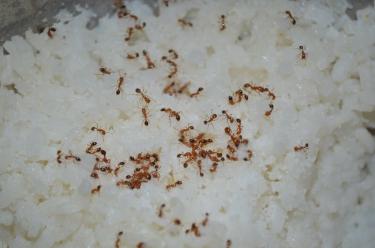
Have you ever seen rice so dark it looks almost purple-black? That’s diri djon djon for you - Haiti’s signature rice dish that stops people mid-bite and makes them ask, “Wait, what is this?
The answer involves tiny dried mushrooms, a surprisingly simple cooking process, and flavors that’ll make you rethink everything you thought you knew about rice dishes.
What Makes Djon Djon Mushrooms So Special
Djon djon mushrooms grow wild in Haiti’s northern mountains. They’re small, black, and honestly - pretty unimpressive looking when dried. But but - these little guys pack an umami punch that rivals any fancy ingredient you’d find at a gourmet store.
You can’t eat the mushrooms themselves. They’re too tough and woody. Instead, you steep them in hot water to create this incredibly dark, flavorful liquid. Think of it like making mushroom tea. The water turns almost ink-black, and that’s exactly what you want.
Finding djon djon outside Haiti used to be nearly impossible. Now you can order them online from Caribbean grocery suppliers or find them in Haitian neighborhoods in cities like Miami, New York, or Montreal. A small bag costs around $8-15 and lasts for several batches of rice.
The Traditional Recipe Your Grandmother Would Recognize
Most Haitian households have their own version of this recipe. Some families add lima beans - others throw in green peas. A few include small pieces of smoked herring. The base technique stays the same though.
What you’ll need:
- 1 cup dried djon djon mushrooms
- 3 cups hot water
- 2 cups long-grain white rice
- 3 tablespoons vegetable oil or butter
- 1 small onion, finely diced
- 4 cloves garlic, minced
- 2 whole cloves
- 1 sprig fresh thyme (or 1/2 teaspoon dried)
- Salt to taste
- 1 Scotch bonnet pepper, whole and unpierced
The process:
Start by rinsing your mushrooms under cool water. They can be dusty. Then put them in a bowl and pour the hot water over them. Let this sit for at least 30 minutes - longer is better. An hour gives you maximum flavor extraction.
While the mushrooms steep, rinse your rice until the water runs clear. This removes excess starch and prevents gummy results.
Strain the mushroom liquid through a fine-mesh sieve or cheesecloth into a measuring cup. You want about 2 - 5 cups of liquid. If you’re short, add water to make up the difference. Toss the mushrooms - they’ve done their job.
Heat the oil in a heavy-bottomed pot over medium heat. Add the onion and cook until it’s soft and starting to turn golden, maybe 5-6 minutes. Throw in the garlic, cloves, and thyme. Stir for another minute until everything smells amazing.
Add the rice and stir to coat every grain with the oil. This step matters. It helps keep the grains separate and adds another layer of flavor.
Pour in the mushroom liquid. Add salt - start with about a teaspoon and adjust later. Nestle that whole Scotch bonnet on top. Don’t pierce it unless you want serious heat. Keeping it whole adds subtle warmth without burning your mouth off.
Bring everything to a boil, then immediately reduce to the lowest heat setting. Cover with a tight-fitting lid - don’t peek for 18-20 minutes.
When the time’s up, remove from heat and let it sit covered for another 5 minutes. Then fluff with a fork, remove the pepper and cloves, and serve.
Common Mistakes That Mess Up Your Rice
I’ve ruined my share of djon djon batches. Learn from my failures.
**Not steeping long enough. ** Fifteen minutes won’t cut it. You need that deep, concentrated flavor. Patient cooks get better rice.
**Using too much water - ** The ratio matters. Too much liquid and you get mushy, sad rice. Too little and it burns on the bottom. Stick to roughly 1. 25 cups liquid per cup of rice.
**Lifting the lid. ** Every time you peek, steam escapes. That steam is cooking your rice. Resist the temptation.
**Cooking on too high heat. ** Low and slow wins this race. High heat creates a burnt layer on the bottom - unless you’re going for that deliberately, which some people do. It’s called graten and it’s actually delicious when done right.
Serving Suggestions That Work
Traditionally, diri djon djon shows up at celebrations. Weddings - baptisms. Sunday dinners when family visits. It’s not everyday food for most Haitian families - the mushrooms are too precious for that.
The classic pairing is legim, a vegetable stew with eggplant, cabbage, and chayote. Griot (fried pork chunks) is another popular companion. The savory, slightly crispy pork plays off the earthy rice beautifully.
For a simpler weeknight meal, try it alongside baked chicken thighs or seared fish. The rice is flavorful enough to stand up to bold main dishes.
Leftovers work great too. Fry them up the next day with a little extra oil until crispy bits form. Top with a fried egg - breakfast sorted.
Variations Worth Trying
Once you’ve nailed the basic version, experiment a bit.
With lima beans: Add a cup of frozen lima beans when you add the rice. They cook at the same rate and add creaminess.
With petit pois: Green peas go in during the last 5 minutes of cooking. They add color contrast and sweetness.
With coconut milk: Replace half the mushroom liquid with full-fat coconut milk. This creates a richer, slightly sweeter version that’s incredible with grilled shrimp.
With smoked turkey: Dice some smoked turkey neck or wing and sauté it with the onions. Adds smokiness that complements the earthy mushrooms.
Where to Find Ingredients
Your regular supermarket probably won’t stock djon djon. Here’s where to look:
Online: Amazon carries them, though prices vary wildly. Better deals exist on specialty Caribbean food sites like MyJamaica or Caribbean Spice.
Local shops: Haitian and Caribbean grocery stores are your best bet. The owners often know which farms produce the best mushrooms.
Substitutes: There really isn’t a perfect substitute. Some people try dried porcini or shiitake, but the flavor profile differs completely. If you can’t find djon djon, you’re making a different dish. A tasty one, sure, but not the real thing.
The Cultural Side of Things
Food carries memory. For Haitians living abroad, djon djon often triggers powerful nostalgia. That distinctive smell transports people back to their grandmother’s kitchen, to crowded family gatherings, to celebrations they haven’t attended in years.
Making this dish connects you to something bigger than dinner. It’s participating in a culinary tradition that survived colonization, political upheaval, and diaspora. The recipe traveled from mountain foragers to home cooks to restaurant chefs around the world.
When you cook diri djon djon, you’re not just making rice. You’re keeping a tradition alive.
Quick Tips Before You Start
- Buy more mushrooms than you think you need. They store well in a cool, dry place for months. - Use a heavy pot with a good lid. Thin pots create hot spots and uneven cooking. - Taste the mushroom liquid before adding salt. Some batches are more intensely flavored than others. - If your rice turns out too dark, you’ve used enough mushrooms. If it’s merely tan-colored, steep longer next time.
The first time might not be perfect. That’s okay - this dish rewards practice. By your third or fourth attempt, you’ll understand exactly how your stove behaves and how to adjust accordingly.
And honestly? Even imperfect diri djon djon tastes pretty great. The mushrooms do most of the heavy lifting. You just have to not mess it up too badly.
Give it a shot this weekend. Your kitchen will smell incredible, and you’ll have a new dish in your rotation that genuinely impresses people. Not bad for some dried mushrooms and rice.