Cabbage Is the New Cauliflower: Versatile Brassica Recipes
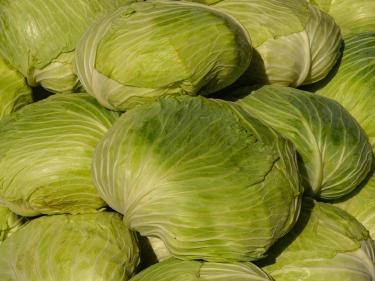
Remember when cauliflower was everywhere? Cauliflower rice, cauliflower pizza crust, cauliflower buffalo wings. Your Instagram feed couldn’t escape it. Well, move over cauliflower. Your humble cousin cabbage is having a serious moment right now.
And honestly - it’s about time.
Cabbage has been quietly sitting in the produce section, dirt cheap and criminally underrated, while flashier vegetables hogged the spotlight. But chefs and home cooks are finally waking up to what Eastern European grandmothers have known forever: this leafy brassica is an absolute workhorse in the kitchen.
Why Cabbage Deserves Your Attention
Let’s talk numbers for a second. A whole head of green cabbage costs somewhere between $2 and $4, depending on where you shop. That same money might get you half a head of cauliflower on a good day. Cabbage also lasts for weeks in your fridge without getting sad and spotty. Try saying that about most vegetables.
But cost isn’t the only reason to give cabbage another look. This vegetable transforms completely depending on how you cook it. Raw, it’s crunchy and slightly peppery. Braised low and slow, it becomes silky and almost sweet. Charred in a hot pan? You get these incredible caramelized edges with tender centers. Few vegetables offer that kind of range.
Plus, cabbage is packed with vitamin C, fiber, and those cancer-fighting compounds that make nutritionists excited. Not that you need a health reason to eat delicious food. But it doesn’t hurt.
Braised Cabbage That’ll Convert the Skeptics
If you’ve only ever had sad, boiled cabbage at a school cafeteria, I get why you might be skeptical. That waterlogged, sulfurous mess gave cabbage a bad reputation it didn’t deserve.
Braising is different - completely different.
Here’s how I do it: Start by cutting a head of cabbage into thick wedges, keeping the core intact so the pieces hold together. Get a wide, oven-safe pan screaming hot with a few tablespoons of butter and olive oil. Sear those wedges until they’re deeply browned on the cut sides. We’re talking serious color here, not just a light tan.
Now add aromatics. A few smashed garlic cloves, some thyme sprigs, maybe a bay leaf. Pour in about a cup of chicken stock (vegetable works too), season generously with salt and pepper, then cover the pan and slide it into a 325°F oven.
Forty-five minutes later, you’ll pull out something magical. The cabbage will be tender enough to cut with a fork but still holding its shape. The edges will have gone jammy and caramelized. This braising liquid will have reduced into this glossy, savory sauce.
Serve it alongside roast chicken or pork chops. Or honestly, just eat it on its own with crusty bread to soak up the juices. Nobody’s judging.
Cabbage Dumplings Worth the Effort
Okay, this one takes more work. But hear me out.
Cabbage dumplings show up in cuisines all over the world. Polish pierogi stuffed with sauerkraut and potato. Japanese gyoza with napa cabbage - ukrainian varenyky. There’s a reason so many cultures landed on the same idea: cabbage and dough just work together.
My go-to filling starts with a whole lot of cabbage, finely shredded and salted to draw out moisture. You want to squeeze that cabbage really well-seriously, wring it out like a wet towel-otherwise your dumplings will be soggy disasters.
Sauté the squeezed cabbage in butter until it’s golden and sweet, about 15 minutes. Some people add caramelized onions here. I always do. Let everything cool, then mix in whatever else sounds good: fresh dill, caraway seeds, a bit of sour cream to bind it together.
For the dough, a simple mix of flour, eggs, and water works fine. Roll it thin, cut circles, fill them, and crimp the edges shut. Boil until they float, then pan-fry in butter until crispy on the bottom.
Yes, this takes an afternoon. But you can make dozens at once and freeze them for quick dinners later. Future you will be grateful.
Quick Cabbage Sides for Weeknight Dinners
Not every cabbage dish needs to be a project. Sometimes you just need something green on the plate in under 15 minutes.
Charred cabbage steaks: Cut thick slabs from the center of the cabbage, brush with oil, season aggressively, and cook in a cast iron pan over high heat. Don’t touch them for 4-5 minutes so they develop a proper char. Flip once - done. Drizzle with something punchy-lemon juice, hot honey, miso butter.
Quick slaw, but make it interesting: Skip the mayo-heavy stuff. Shred cabbage thin, toss with rice vinegar, sesame oil, a pinch of sugar, and lots of toasted sesame seeds. Add some shredded carrot and sliced scallions. This keeps for days in the fridge and gets better as it sits.
Stir-fried cabbage with garlic: This is a Sichuan restaurant staple for good reason. Heat oil until it shimmers, add thinly sliced cabbage, and stir-fry over the highest heat your stove can manage. Toss in minced garlic and dried chilies in the last minute. Season with soy sauce and a splash of rice vinegar. The whole thing takes maybe 7 minutes.
Different Cabbages, Different Vibes
Green cabbage isn’t your only option. Each variety brings something different to the table.
Savoy cabbage has those beautiful crinkly leaves that look almost delicate. It’s more tender than regular green cabbage, which makes it perfect for stuffed cabbage rolls or quick sautés where you don’t want too much crunch.
Red cabbage adds gorgeous color to any dish. It’s firmer and takes longer to cook, but that also means it holds up beautifully to braising. Just know that it’ll turn everything it touches slightly purple, including your cutting board.
Napa cabbage is the elongated one with ruffly leaves. It’s milder and more tender, which is why it’s the cabbage of choice for kimchi, dumplings, and quick Asian-style stir-fries.
Pointed cabbage (sometimes called sweetheart or hispi) is conical and sweeter than round varieties. It’s especially good grilled or charred because the leaves are thin enough to cook quickly while developing those caramelized bits everyone fights over.
A Few Things I’ve Learned
After cooking a lot of cabbage over the years, some lessons stick with you.
Don’t slice cabbage too far in advance. Once cut, it starts losing its crisp texture and developing that funky smell faster. Whole heads last forever - cut wedges, maybe two days.
Salt matters more than you think. Cabbage is mostly water, so you need to season it more aggressively than you’d expect. Taste as you go.
Fat is your friend. Cabbage loves butter, bacon drippings, good olive oil. These fats help carry flavor and encourage browning. A little goes a long way, but don’t skip it.
The core is edible. People throw it away, but sliced thin, it’s perfectly fine to eat. Slightly sweeter than the leaves, actually.
Cabbage pairs beautifully with pork, apples, caraway, mustard, and anything pickled or fermented. These combinations exist for a reason-centuries of home cooks figuring out what works.
Your Move
Next time you’re wandering through the grocery store, grab a head of cabbage. The whole thing will set you back a couple bucks. Take it home and try one of these techniques. Braise it low and slow. Char it in a hot pan. Shred it into a bright, crunchy slaw.
You might be surprised at what this workhorse vegetable can do when you give it a chance. Cauliflower had its moment. Now it’s cabbage’s turn to shine.