Filipino Food Breakthrough: Adobo Sinigang and Beyond
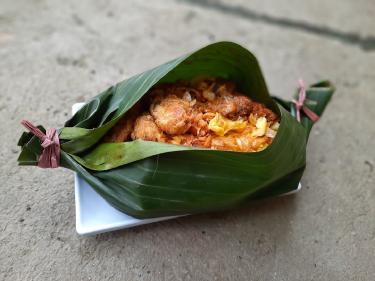
You’ve probably had Filipino food before without even realizing it. Maybe a coworker brought lumpia to a potluck. Or you stumbled into a hole-in-the-wall restaurant and tried something called adobo. Whatever your entry point, Filipino cuisine is having a serious moment right now-and honestly, it’s about time.
Why Filipino Food Is Finally Getting the Spotlight
For decades, Filipino food flew under the radar in Western countries. Thai, Vietnamese, Japanese-these cuisines got their due. Filipino - not so much. But that’s changing fast.
Restaurants specializing in Filipino dishes have popped up in major cities across North America, Europe, and Australia. Food media can’t stop talking about it. And home cooks are discovering that Filipino recipes are surprisingly approachable once you understand the flavor profiles.
The magic comes down to balance. Sweet, sour, salty, savory-Filipino cooking hits all these notes, often in a single dish. It’s comfort food with depth. Think braised meats swimming in tangy sauces. Soups that warm you from the inside out. Crispy, crunchy textures paired with rich, unctuous bites.
Adobo: More Than Just One Recipe
Let’s talk about adobo first because it’s essentially the national dish of the Philippines. But here’s what trips people up: there’s no single “authentic” adobo recipe.
Every Filipino family has their own version. Some use all soy sauce. Others go heavy on the vinegar. Chicken adobo, pork adobo, combo adobo-all legit. Some families add coconut milk for a creamy twist (adobo sa gata). Others throw in pineapple. A few skip the soy sauce entirely and make white adobo.
The constants? Vinegar, garlic, bay leaves, and black peppercorns. That’s your foundation.
Here’s a basic chicken adobo approach that works:
Ingredients:
- 2 lbs chicken pieces (thighs work best-they stay moist)
- 1/2 cup soy sauce
- 1/2 cup white cane vinegar or apple cider vinegar
- 1 head of garlic, smashed and peeled
- 3 bay leaves
- 1 teaspoon whole black peppercorns
- 1 cup water
Combine everything in a pot - bring to a boil. Reduce heat and simmer until the chicken is cooked through, about 30-40 minutes. That’s it. Some people fry the chicken pieces afterward for crispy skin-highly recommended if you have the time.
The dish actually tastes better the next day. The flavors meld overnight. Cold adobo straight from the fridge at 2 AM? Peak Filipino experience.
Regional Variations Worth Trying
Batangas-style adobo skips water entirely and uses more vinegar, creating an intensely tangy version. Visayan adobo incorporates coconut milk and often uses pork. Bicolano adobo goes all-in on the coconut and adds chili for heat.
Experiment. Try different vinegars-sukang iloko (sugarcane vinegar), sukang puti (palm vinegar), or even balsamic if you’re feeling adventurous. Each one creates a different flavor profile.
Sinigang: The Soup That Defines Filipino Comfort Food
If adobo is the national dish, sinigang is the soul of Filipino home cooking. It’s a sour soup, and that sourness is the whole point.
Traditionally, tamarind provides the tartness. But Filipino cooks use whatever sour fruit is available: kamias (bilimbi), guava, green mango, even tomatoes. Modern cooks often reach for a sinigang mix packet-no shame in that. The packets work great.
The protein varies. Pork belly (sinigang na baboy) is classic. Shrimp (sinigang na hipon) cooks quickly and adds sweetness. Fish, beef short ribs, mussels-all fair game.
Vegetables round out the soup: kangkong (water spinach), string beans, radish, eggplant, okra, tomatoes. The vegetables matter. They soak up that sour broth and become half the appeal.
Basic Sinigang na Baboy:
- 1.5 lbs pork belly, cut into chunks
- 1 packet sinigang mix (or 1 cup tamarind paste diluted in water)
- 2 tomatoes, quartered
- 1 onion, quartered
- 1 bunch kangkong or spinach
- String beans, cut into 2-inch pieces
- 1 daikon radish, sliced
- Fish sauce to taste
- Water
Boil the pork until tender, skimming scum as needed. Add onion and tomatoes. Add sinigang mix and adjust sourness to your taste. Add vegetables according to cooking time-radish first, leafy greens last. Season with fish sauce.
The broth should make you pucker slightly. That’s the sweet spot.
Beyond the Classics: Filipino Dishes You Should Know
Adobo and sinigang get all the attention, but Filipino cuisine runs deep. Here are a few dishes worth exploring:
Kare-Kare - A peanut-based stew with oxtail and tripe, served with fermented shrimp paste. The combination sounds weird until you try it. Rich, slightly sweet, completely addictive.
Sisig - Chopped pig face and ears (or chicken, for the squeamish), seasoned with calamansi, chili, and onions, served on a sizzling plate. Often topped with an egg. Essential bar food in the Philippines.
Pancit - Filipino noodles come in countless varieties. Pancit Canton uses wheat noodles - pancit Bihon uses rice sticks. Both involve stir-frying with vegetables and meat. Quick weeknight dinner material.
Lechon - Whole roasted pig with impossibly crispy skin. Usually reserved for celebrations. The skin shatters like glass when you bite into it.
Halo-Halo - A dessert that translates to “mix-mix. " Shaved ice, sweet beans, jellies, leche flan, ube ice cream, and more, all layered in a tall glass. Chaotic - delicious. Perfect for hot days.
Getting the Ingredients Right
You don’t need a specialty store for most Filipino cooking. Soy sauce, vinegar, garlic, onions, fish sauce-regular grocery stores stock these.
For more specific items, Asian supermarkets are your friend. Look for:
- Cane vinegar - Different from regular white vinegar; milder and slightly sweet
- Calamansi - Small citrus fruit; lime works as substitute
- Banana ketchup - Yes, it’s real, and it’s delicious; sweeter than tomato ketchup
- Ube - Purple yam; available frozen or as extract
- Fish sauce (patis) - The good stuff smells intense but transforms dishes
Online retailers ship Filipino ingredients worldwide now. No excuses.
Tips for Your First Filipino Cooking Session
Start with adobo - seriously. It’s forgiving, uses common ingredients, and the results taste impressive even if you mess up proportions slightly.
Don’t rush the braising - filipino cuisine rewards patience. Those long-simmered dishes develop complex flavors that quick-cooked versions can’t match.
Rice is non-negotiable - jasmine rice, steamed plain. Filipino meals revolve around rice the way Italian meals revolve around bread. You need something to soak up all those sauces.
Taste as you go. Filipino cooking rarely follows exact measurements. Grandmothers eyeball everything. Add more vinegar if you like it sour. More soy sauce if you want saltier. Make it yours.
And don’t skip the sawsawan-the dipping sauces. Mix soy sauce with calamansi for fried foods. Fish sauce with vinegar and chili for grilled meats. These little bowls of sauce improve everything they touch.
The Filipino Food Wave Isn’t Slowing Down
What started as a niche interest has become a full-blown culinary movement. Filipino chefs are earning recognition at the highest levels. Filipino flavors are showing up in unexpected places-ube lattes, adobo tacos, sinigang ramen.
But the best Filipino food still comes from home kitchens and family-run restaurants where recipes pass through generations. The fancy restaurant versions are great, sure. But there’s something special about a lola’s adobo, cooked the way her mother taught her, served over steaming rice on a random Tuesday evening.
That’s the heart of Filipino cuisine. Not trends or techniques. Just good food, cooked with care, meant to be shared.
So pick a recipe - grab some ingredients. And cook something Filipino this week. Your taste buds will thank you.