Black Currant Glazes for Duck and Game Meats
Ever tasted something so good it made you rethink everything you knew about cooking game? That’s what happens when you pair black currants with duck or venison. The deep, almost wine-like tartness of these berries cuts through rich, fatty meats like nothing else.
And but-McCormick just named black currant one of their top flavor trends for 2026. So you’re not just making dinner. You’re ahead of the curve.
Why Black Currants Work Magic on Game Meats
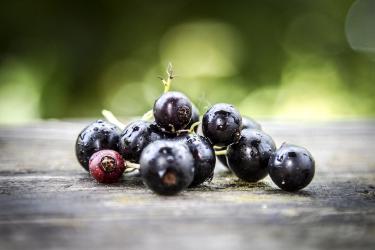
Black currants have this intensity that other berries simply can’t match. Blueberries are sweet - raspberries are delicate. But black currants - they punch back.
The flavor profile sits somewhere between grape, cassis, and something almost herbal. That complexity makes them ideal for standing up to duck, venison, wild boar, and even pheasant. These meats have strong, distinctive tastes. You need a sauce that won’t disappear.
Fat content matters too. Duck breast can be 30% fat under that gorgeous skin. When you render it out and hit it with a tangy black currant glaze, the acid balances all that richness. Your palate stays engaged instead of getting overwhelmed.
The Basic Black Currant Glaze (Your Starting Point)
Before getting fancy, you need a solid foundation. This base glaze takes maybe 15 minutes and works on pretty much any game meat you throw at it.
Ingredients:
- 1 cup black currants (fresh or frozen both work)
- 1/3 cup red wine (something you’d actually drink)
- 2 tablespoons honey
- 1 tablespoon balsamic vinegar
- 1 shallot, minced fine
- 1/2 teaspoon fresh thyme leaves
- Salt and black pepper
Method:
Soften the shallot in a bit of butter over medium heat. Don’t brown it-you want sweetness, not caramelization. Add the currants and let them burst, pressing gently with a wooden spoon. Pour in the wine and let it reduce by half. This concentrates everything.
Stir in honey and balsamic. Simmer until the glaze coats a spoon and leaves a clear trail when you drag your finger through it. Off heat, add thyme - season to taste.
That’s it. Strain if you want something smooth, or leave the fruit pieces for texture.
Duck Breast with Black Currant and Juniper
Juniper and game meats go way back. The piney, slightly resinous notes echo the forests where wild ducks actually live. Combined with black currant, you get something that tastes genuinely wild.
For two duck breasts:
Score the skin in crosshatch pattern-go almost through the fat but don’t hit the meat. Season generously with salt. Start the breasts skin-side down in a cold pan. Turn heat to medium-low.
Patience here - you’re rendering fat, not searing. Takes about 12-15 minutes for most of the fat to melt out. The skin should be crackling and deeply golden. Flip and cook meat side just 3-4 minutes for medium-rare.
While the duck rests, pour off most of the fat (save it-duck fat is gold for roasting potatoes). Add a crushed juniper berry or two with your shallot. Build the glaze right in that pan with all those duck fond bits. Pour any resting juices back in.
Slice the breast against the grain. Fan it out - spoon glaze over and around.
Venison Medallions with Rosemary Black Currant Reduction
Venison intimidates people - it shouldn’t. The meat itself is lean and mild-more like beef than you’d expect. What trips folks up is overcooking it. Stop at medium-rare - seriously.
For the reduction:
Follow the base glaze recipe but add a 4-inch sprig of rosemary while simmering. Remove before serving-rosemary gets bitter if it sits too long. Add a tablespoon of cold butter at the very end, swirling until it emulsifies. This gives you a glossy, restaurant-quality finish.
Cooking the venison:
Get your pan screaming hot. Pat medallions dry-moisture is the enemy of a good sear. Season simply with salt and pepper. Sear 2 minutes per side. Let rest at least 5 minutes.
The reduction should be thick enough to pool on the plate without running everywhere. If it’s too thin, reduce more. If too thick, add a splash of stock.
Wild Boar Chops with Spiced Black Currant Chutney
Boar has more fat than venison, so you can push the cooking a bit further without drying things out. And the slightly gamier flavor benefits from bolder spices.
This chutney approach gives you texture and chunks of fruit, different from a smooth glaze. Works great as a condiment on the side too.
For the chutney:
- 2 cups black currants
- 1 small red onion, diced
- 1/4 cup apple cider vinegar
- 3 tablespoons brown sugar
- 1/2 teaspoon cinnamon
- 1/4 teaspoon allspice
- Pinch of cayenne
- 1/2 cup water
Cook onion until soft - add everything else. Simmer 25-30 minutes until thick and jammy. The currants will mostly break down but you’ll have some whole berries left. That’s exactly what you want.
Brine your boar chops for a few hours if you have time-they can be tough otherwise. Grill or pan-sear to 145°F internal temp.
Tips That Actually Matter
**Frozen currants are fine. ** Fresh black currants have a short season and can be hard to find. Frozen ones work nearly as well for glazes and reductions. Don’t thaw first-just dump them in frozen and add an extra minute of cooking time.
**Acidity is adjustable - ** Black currants are tart. If your glaze tastes too sharp, add more honey in small amounts. Too sweet - a bit more vinegar. Taste as you go.
**Don’t boil your reductions. ** Keep them at a simmer. Boiling breaks down the pectin in the fruit and you’ll end up with a thinner sauce that doesn’t cling to meat properly.
**Toast your spices. ** If you’re adding whole spices like juniper or allspice berries, toast them in a dry pan first. Takes 30 seconds and makes a noticeable difference.
**Make extra glaze. ** It keeps refrigerated for two weeks. Reheat gently with a splash of water to thin it back out. You’ll find excuses to use it-pork tenderloin, grilled lamb chops, even spread on a cheese board.
Where to Find Black Currants
Here’s the tricky part for Americans. Black currant cultivation was banned in the U. S. for most of the 20th century because the plants can carry a disease that kills white pine trees. The ban’s been lifted in most states now, but the berries still aren’t common.
Check farmers markets in late summer. Some specialty grocers carry them frozen. IKEA, of all places, sells black currant concentrate in their food section. Health food stores often stock dried black currants-rehydrate them in warm water or wine before using.
Online ordering is reliable too. Several farms in New York and Oregon ship frozen berries nationwide. Cassis liqueur (French black currant liqueur) makes a decent substitute in a pinch. Use about 3 tablespoons in place of a cup of berries, but reduce the honey since it’s already sweet.
Beyond the Glaze
Once you’ve nailed these techniques, experiment. Black currant and port wine reduction. Black currant gastrique with duck confit. Black currant mostarda as a preserve to serve alongside cured meats.
The berry’s versatility surprises people. It works in savory applications as well as any fruit I know. That deep, complex flavor translates across cuisines-try it with five-spice on duck, or with Middle Eastern spices on lamb.
Game meats deserve better than the heavy brown gravies that drowned them for generations. Black currants give you brightness and acidity while still feeling substantial. They belong in your regular rotation now, not just as some trendy 2026 ingredient.
Grab some currants this week - make the base glaze. Score a duck breast. You’ll understand what all the fuss is about after that first bite.